
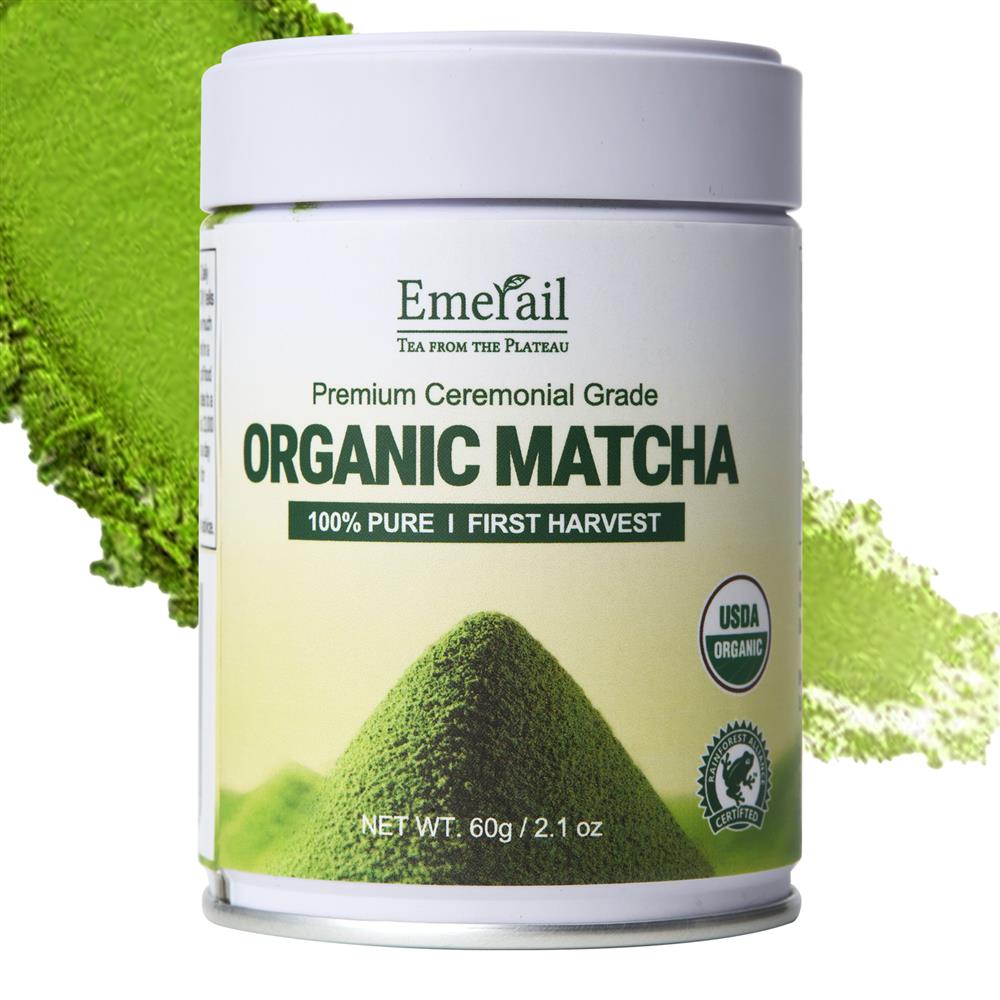
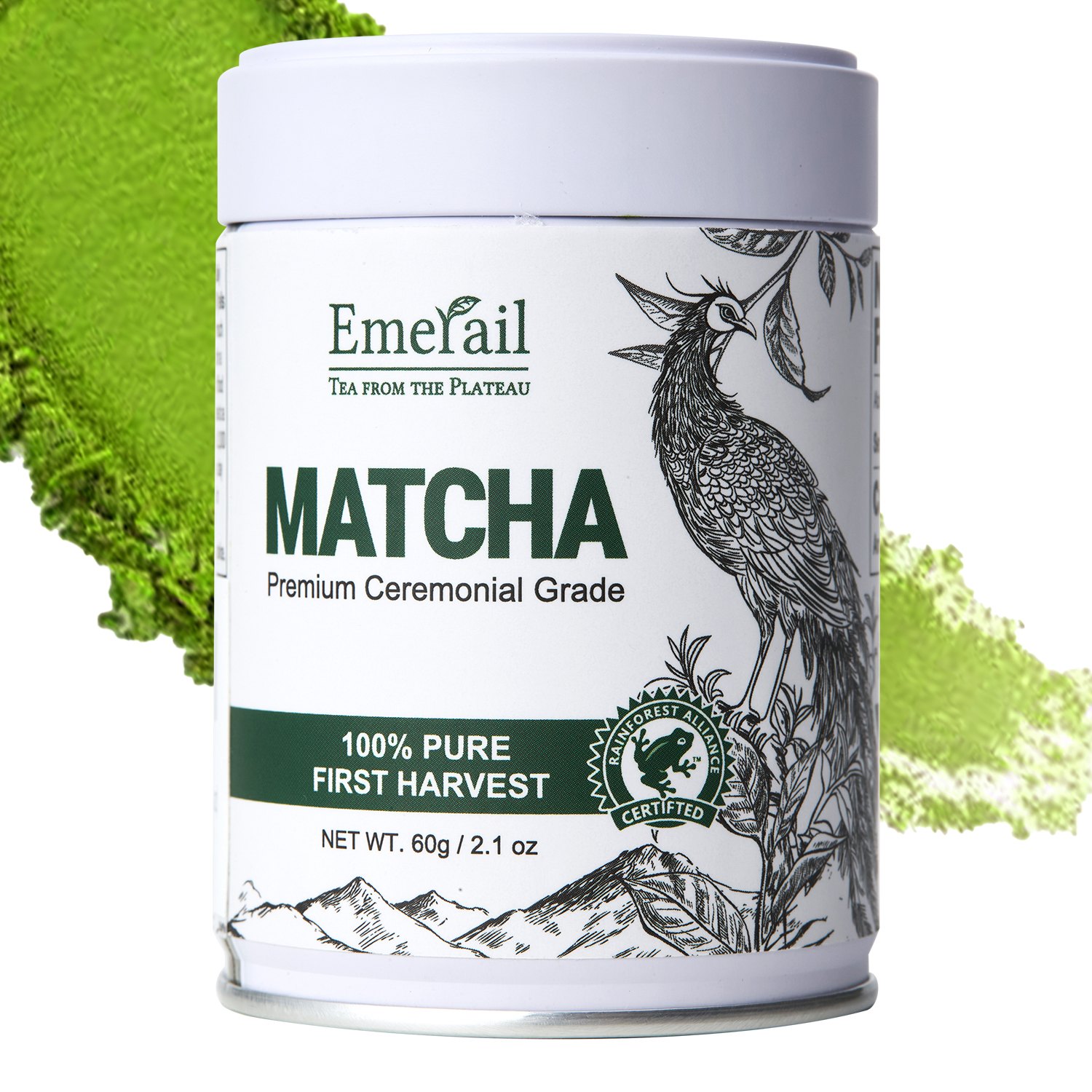

If you’re juggling work, workouts, social life, and self-care, a simple, daily ritual can be a real game-changer. A small cup of matcha—made from finely ground, shade-grown green tea leaves—does more than just wake you up.
For many women aged 20 to 50, it is a popular choice for gentle energy. It offers a mindful break in a busy day. It is also an easy way to fill your body with antioxidants.
But what exactly sets it apart from the universal cup of coffee? Let’s dive in.
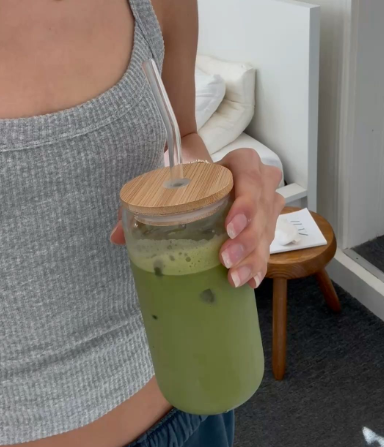
1. Nine Practical Reasons to Make Matcha Your Daily Ally
We’ve moved beyond mere preference. Here’s the science-backed and experience-driven case for choosing matcha.
-
Clean, Steady Energy (No Jitters or Crash)
The fundamental difference lies in the composition. While a cup of coffee provides a sharp, often jittery energy spike, matcha offers calm alertness.
This is due to the unique synergy between its caffeine and a rare amino acid called L-theanine.
L-theanine boosts alpha brain wave activity. This is linked to a relaxed focus, which helps reduce the jitters from caffeine.
-
Sustained Focus for Study & Work
The powerful L-theanine + caffeine combo doesn't just prevent jitters; it actively supports sustained concentration. Research shows that this pair boosts brain performance more than caffeine alone. This makes it great for getting through your workday or study session without the usual mid-afternoon slump.
-
Potent Antioxidant Support for Long-Term Health
Since you drink the whole tea leaf in powder form, matcha green tea has more antioxidants. It has more polyphenols, like EGCG, than regular green tea. These compounds protect our cells from damage. They are key to the long-term health benefits of matcha, including skin health.
-
Natural Mood & Stress Management
The L-theanine in matcha helps increase GABA, serotonin, and dopamine. These are neurotransmitters that are important for mood and relaxation. Spending just five minutes to make and enjoy a cup can be a great mindfulness practice. It can lower stress and help you start your day.
-
Gentle Metabolism Support
Matcha has compounds like EGCG. Researchers have studied these compounds for their ability to increase thermogenesis. Thermogenesis is the body's rate of burning calories. While it's not a magic bullet, it can be a valuable complement to a healthy diet and active lifestyle.
-
A Gut-Friendly Choice
For many, the high acidity of coffee can lead to digestive discomfort. Matcha, being a powdered whole leaf, is often gentler on the stomach. The antioxidants may also support a healthy gut environment. (And to answer a common query: Yes, does matcha make you poop? Its combination of caffeine and fiber can support healthy, regular digestion for many users.)
-
Unmatched Versatility—It's Not Just Tea
Move beyond the cup. Matcha powder can be mixed with hot water to make tea. You can also steam it into a latte. You can blend it into smoothies or bake it into energy bites and desserts. This makes it incredibly easy to incorporate into your existing routine.
-
An Affordable Daily Luxury
A high-quality tin may cost more at first, but it offers many servings. This lowers the cost per cup a lot. It’s a small price for a daily moment of premium self-care.
-
A Ritual That Reinforces Your Identity
The act of sifting, whisking, and savoring creates a purposeful pause. This daily cup can easily support other self-care habits. These include yoga, meditation, and journaling. This makes your wellness goals feel realistic and achievable.
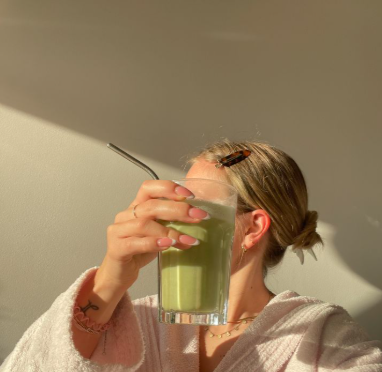
2. How to Fit Matcha Into Your Day (3 Simple Routines)
-
Morning Focus (Workday): Mix 1 teaspoon of matcha with a little hot water (about 80°C/176°F) to make a paste. Then, add more hot water or steamed milk to create a latte.
-
Afternoon Reset: Mix 1 tsp of matcha with a bit of cool water. Pour it over a glass full of ice. Top it with cold milk for an Iced Matcha Latte. Or, add sparkling water and a splash of lemon for a Matcha Lemonade.
-
Pre-Workout or Post-Yoga: Mix ½–1 tsp of matcha with a banana, some spinach, and oat milk. This smoothie gives you lasting energy and helps with recovery.

3. Quick, Low-Effort Recipes to Get Started
-
Simple Matcha Latte: 1 tsp matcha + 60 ml hot water (80°C) — whisk until frothy — pour in 180 ml steamed milk.
-
Iced Matcha Latte: Whisk 1 tsp matcha with 30 ml cool water, pour over a full glass of ice, top with cold milk of choice.
-
Matcha Smoothie: ½ banana + 1 cup oat milk + 1 handful spinach + ½–1 tsp matcha — blend until smooth.
-
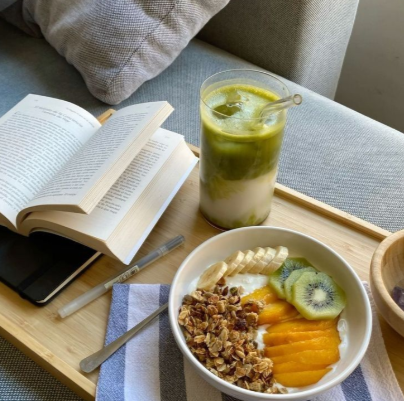
Matcha Snack Bite: Stir ½ tsp matcha into your morning yogurt or overnight oats for a nutrient and flavor boost.
4. Your Top Matcha Questions, Answered (QA)
Q: How much caffeine is in matcha vs coffee?
A: This is the most common point of confusion. While matcha has more caffeine than regular green tea, the comparison to coffee is nuanced.
A typical serving of matcha (about 1 gram of powder, or 1 tsp) contains roughly 70mg of caffeine. A standard cup of coffee contains about 95mg. So, per serving, coffee has slightly more.
L-theanine in matcha releases caffeine slowly over 4 to 6 hours. This gives you steady energy without a crash. This is different from coffee, which causes a quick spike and drop in energy. [Reference: Healthline & other industry sources]
Q: What does matcha taste like?
A: High-quality matcha tea has a complex flavor profile. It's predominantly vegetal and creamy, with umami (savory) notes, a slight natural sweetness, and a clean finish. Lower-quality culinary grades can be more bitter. It's a unique taste that many describe as "earthy" and "refreshing."
Q: How do you prepare matcha?
A: Preparing matcha is simple but requires a few specific tools for the best results. You'll need a bamboo whisk (chasen), a bowl (chawan), and high-quality matcha powder.
Start by sifting about one to two teaspoons of matcha into the bowl to avoid clumps. Then, add a small amount of hot water (not boiling, around 175°F or 80°C) and whisk vigorously in a zigzag motion until it becomes frothy. You can then add more water to taste, or even milk for a creamier drink.
Q: Are there any health benefits to drinking matcha?
A: Yes, matcha is packed with antioxidants, particularly catechins, which are known for their health benefits. These antioxidants can help reduce inflammation, support heart health, and even boost metabolism. Additionally, the presence of L-theanine can promote relaxation and improve focus, making matcha a great choice for those looking to enhance their mental clarity.
Q: Can anyone drink matcha?
A: Most people can enjoy matcha without any issues. However, those who are sensitive to caffeine or have certain health conditions should consult with a healthcare professional before incorporating it into their diet. It's also important to choose high-quality matcha to maximize its benefits and minimize any potential side effects.
Q: Can you drink matcha while pregnant?
A: It's crucial to consult your healthcare provider. Moderate consumption of matcha can be okay because of its caffeine. However, you should include it in your daily caffeine limit as your doctor advises.
Q: How much L-theanine is in matcha?
A: Matcha is exceptionally rich in L-theanine, especially because it's shade-grown, which boosts the amino acid's production. While amounts can vary, high-quality matcha can contain around 20-40mg of L-theanine per gram. This high ratio of L-theanine to caffeine is the key to its unique "calm energy" effect.
Q: I've heard matcha can affect digestion. Is that true?
A: As mentioned earlier, many find matcha gentler than coffee. The caffeine can have a mild laxative effect for some, which is why people ask, "does matcha make you poop?" This usually means it helps with healthy digestion. If you have a sensitive stomach, start with a smaller amount, like ½ tsp, to see how you feel.
Conclusion: Make the Switch for You
The choice between matcha and coffee isn't about which one is better for everyone. It's about which one is better for you and your lifestyle. If you want a sustainable energy source that boosts your productivity and well-being, consider matcha. It can help reduce anxiety and fits well into a healthy routine.
Ready to experience the difference? Explore our premium, lab-tested Emerail plateau matcha today and craft your own moment of calm focus.
You May Also Like: