
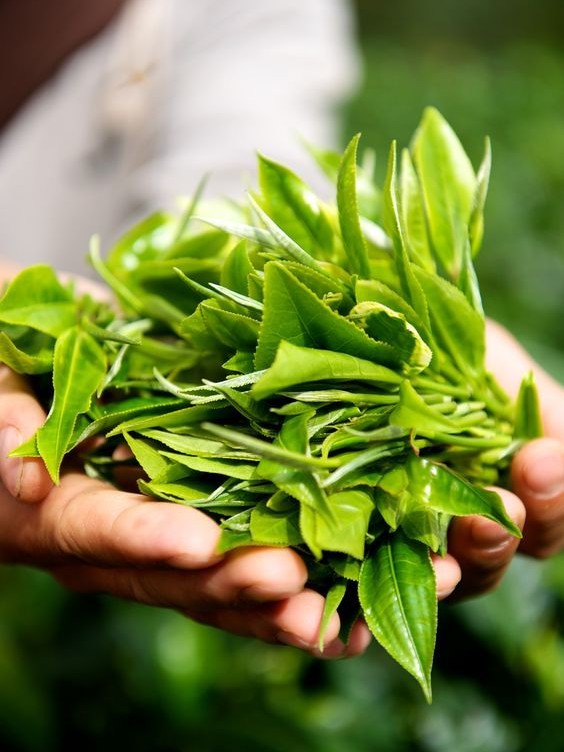
Matcha has become a go-to for people seeking calmer energy and less reactivity. Why? It’s a mix of chemistry, ritual, and nutrition.
Key reasons matcha helps reduce stress
- L-theanine for calm focus. Matcha contains higher levels of L-theanine than regular brewed tea. This amino acid promotes alpha brain waves, which are linked to a relaxed but alert state. Paired with matcha’s caffeine, L-theanine can create steady focus without the jittery spike from coffee.
- Ritual as micro-meditation. Whisking matcha (or slow sipping an iced matcha latte) is a short sensory ritual — the color, smell and foam help anchor attention and interrupt anxious thought loops.
- Antioxidant support. Matcha is rich in EGCG and polyphenols that help modulate stress responses at the cellular level and support overall resilience.
- Hydration and habit. Taking a tea break increases hydration and creates predictable pauses in the day—simple structure that lowers perceived stress.
How to use matcha for stress relief
- 3-minute matcha pause: ½–1 tsp ceremonial matcha + ~60 ml 80°C water → whisk → 3 minutes mindful sipping.
- Afternoon swap: Replace the second coffee with an iced matcha latte to reduce afternoon crashes.
- Combine with breathing: Pair matcha sipping with 4-4-4 breathing (inhale 4s, hold 4s, exhale 4s).
A quick brand note:
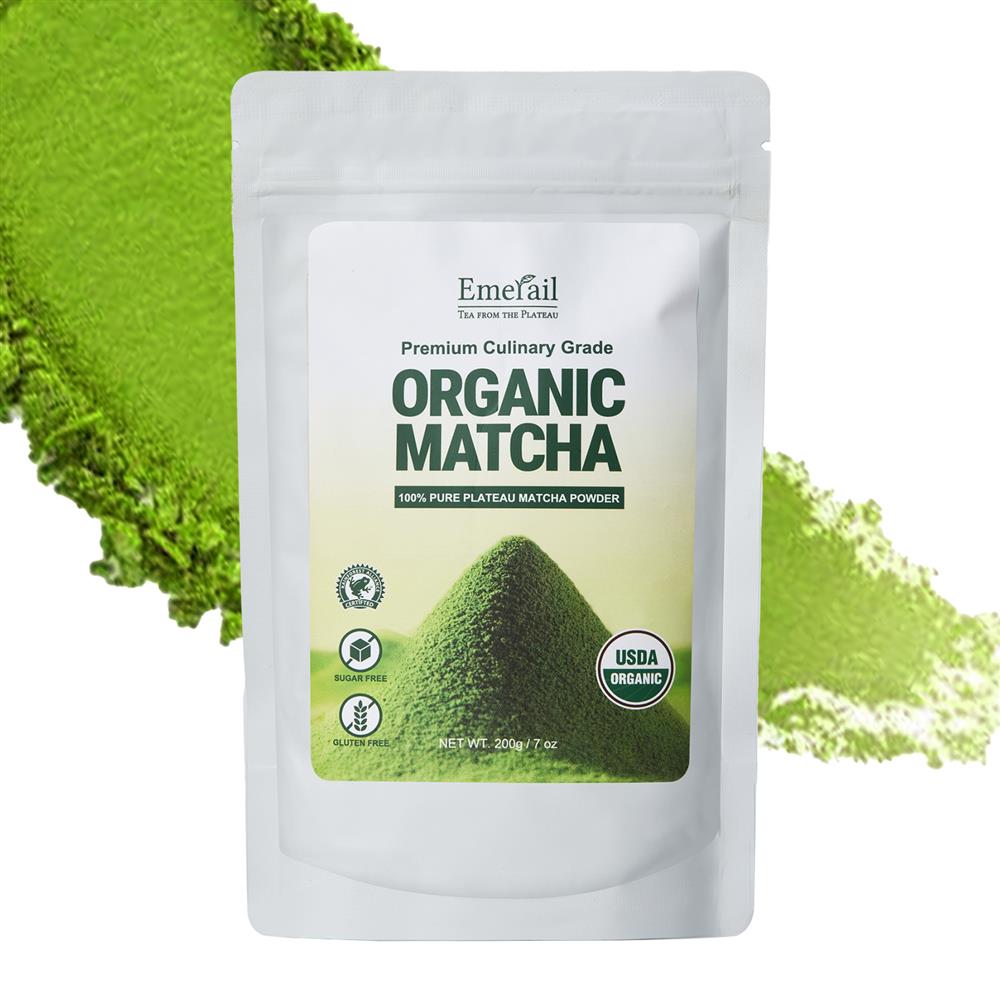
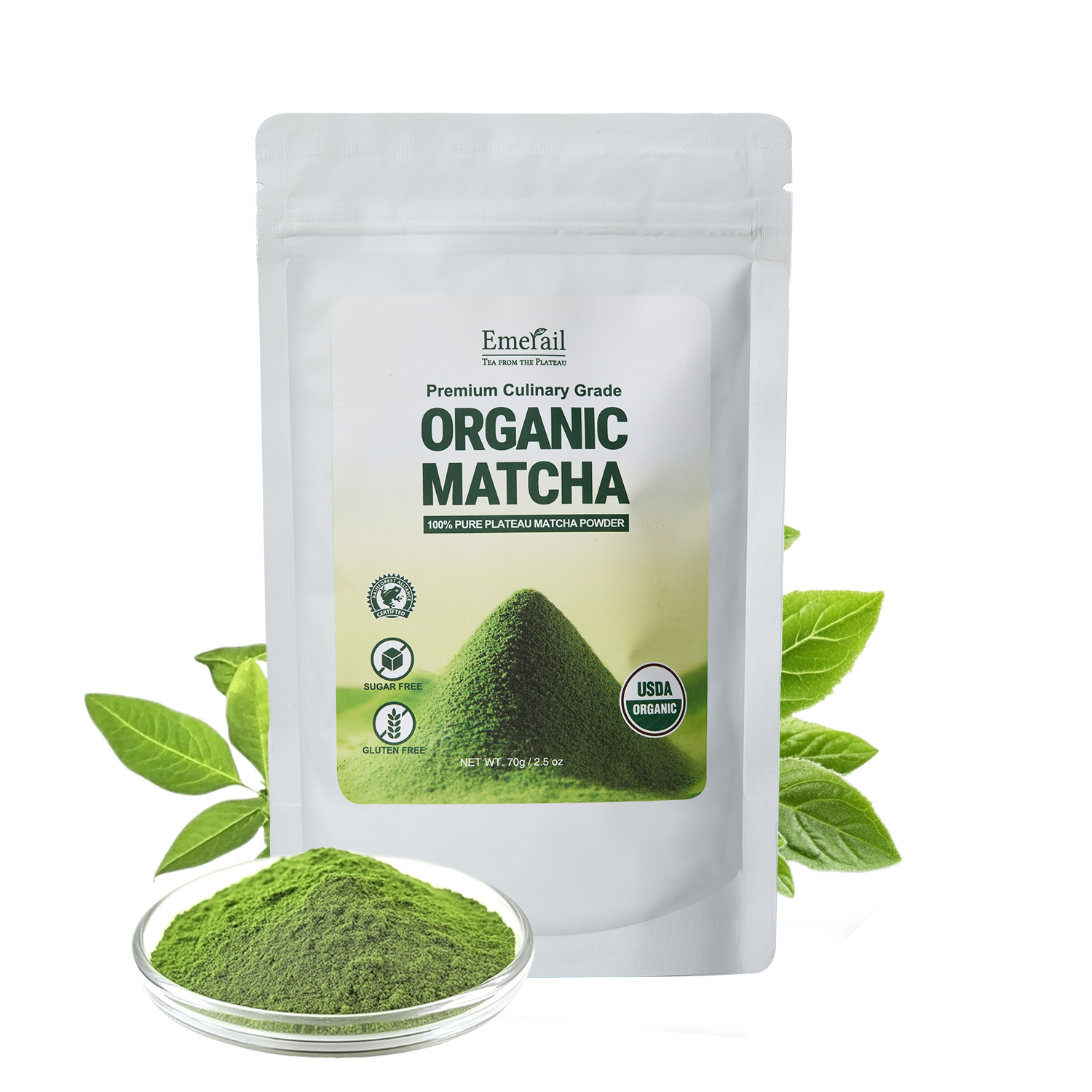
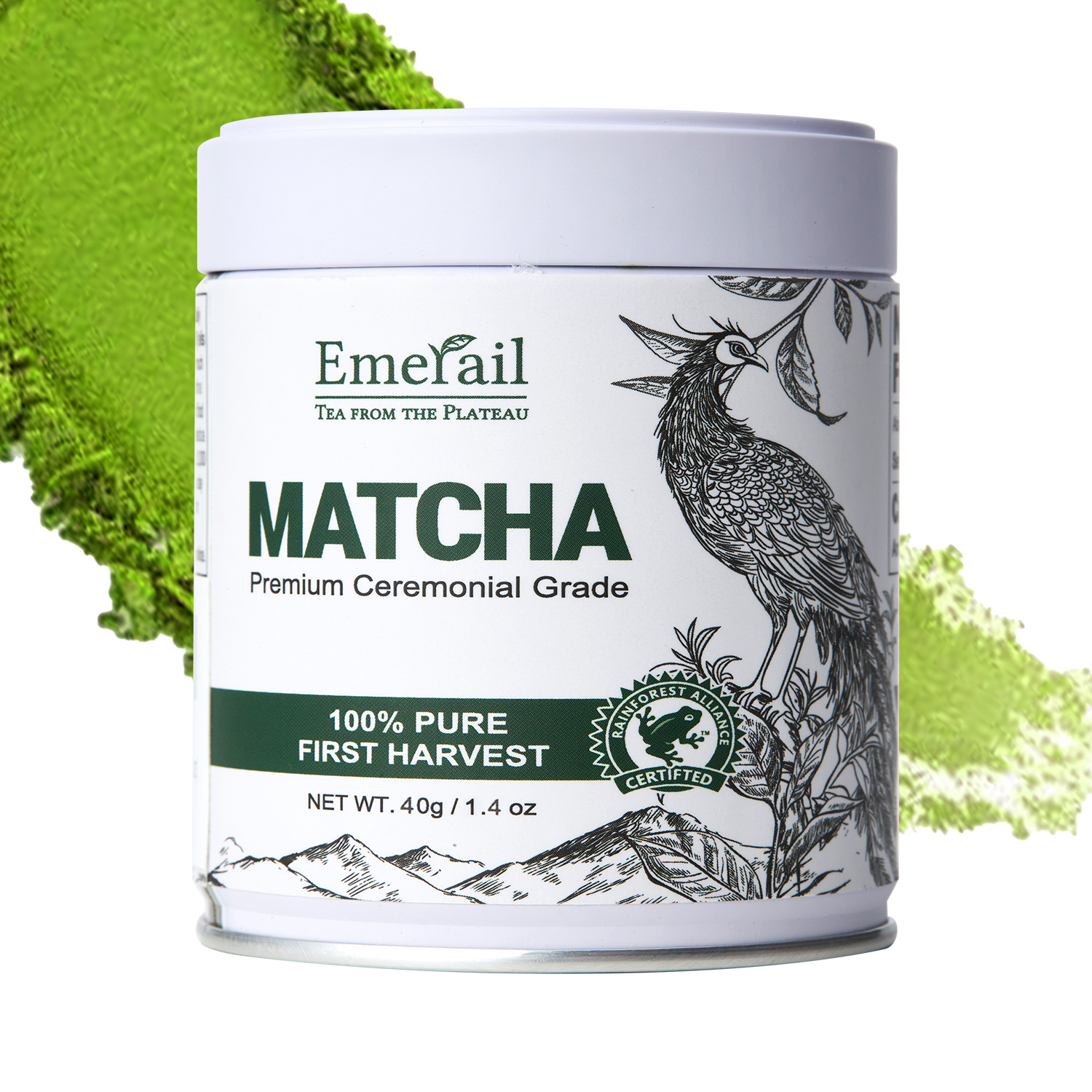
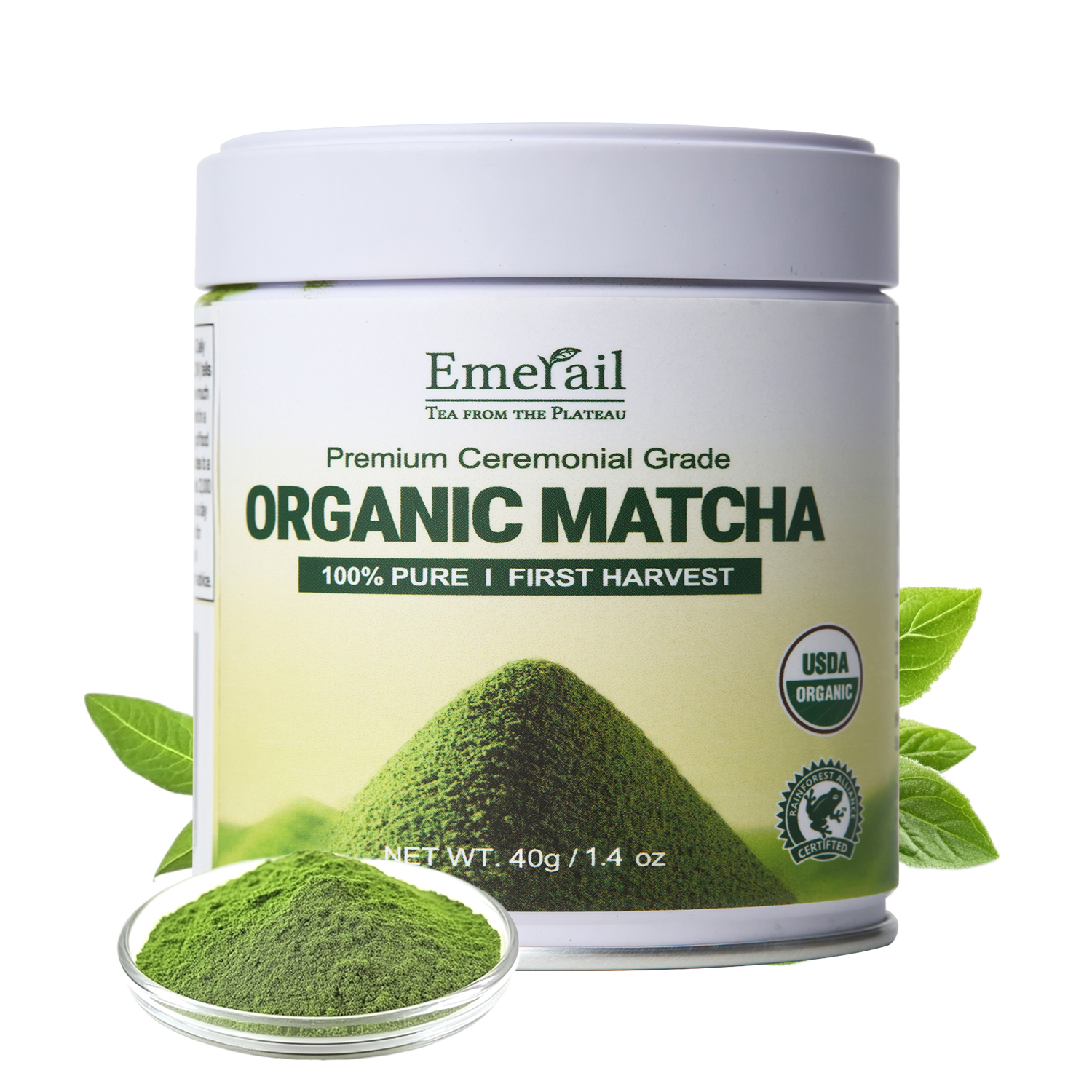
If you prefer origin-transparent, high-altitude powders, consider options that list plateau or mountain origins and third-party testing. For example, Emerail high-plateau matcha (USDA organic, Eurofins tested) highlight their clean soil and mild flavor—good choices for daily ritual.
Safety: If pregnant, breastfeeding, or caffeine-sensitive, reduce dose and consult a clinician.