
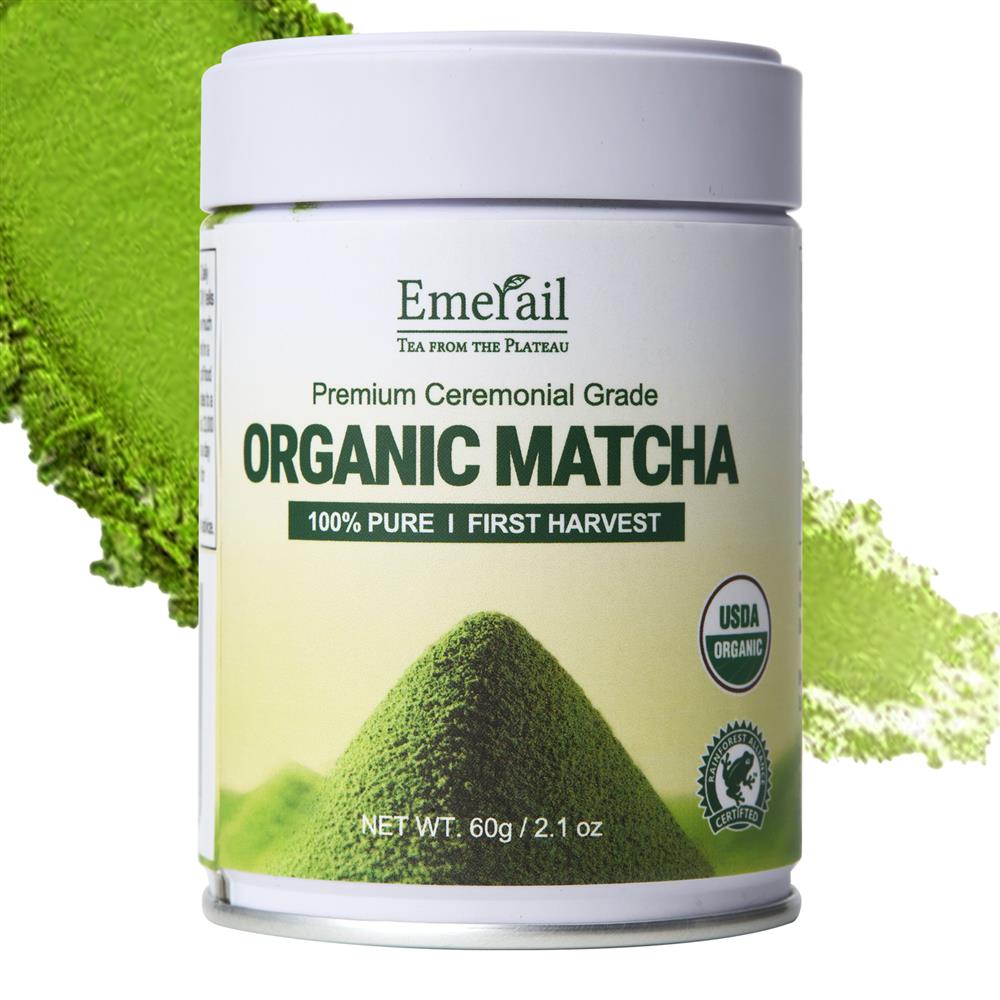
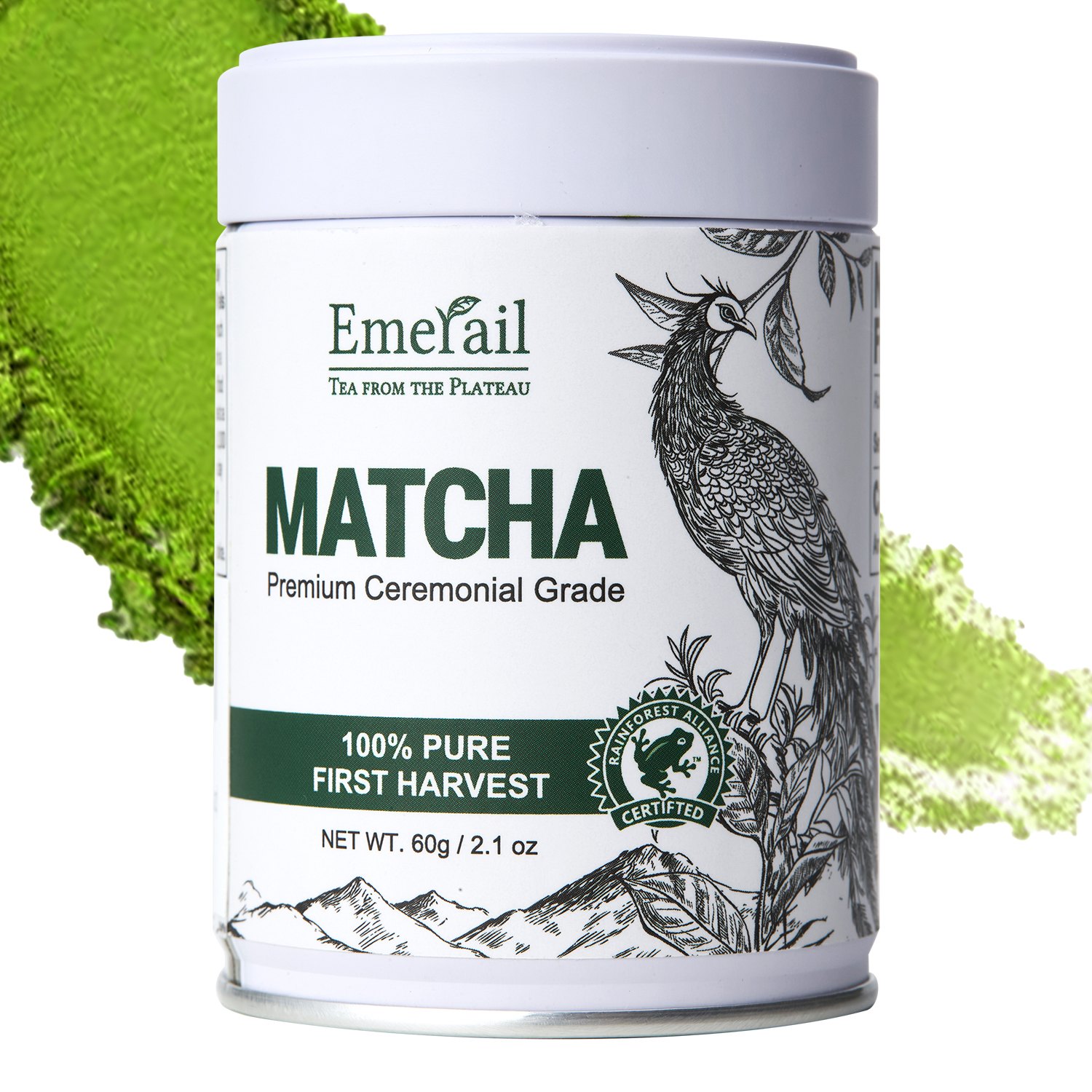
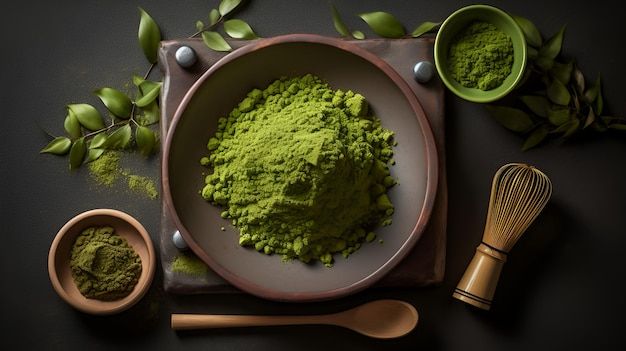
It's a question I get asked all the time: "Is ceremonial grade matcha healthier than culinary grade?" It's easy to assume that a more expensive, 'ceremonial' product must be superior in every way, especially when it comes to health. But as a seasoned matcha lover who's brewed and baked with every grade imaginable, I've learned that the answer is a little more nuanced. It’s not about one being "better" than the other; it’s about understanding their unique profiles and choosing the right one for your specific ritual.
My Morning Ritual: A Tale of Two Matchas
My days often start in one of two ways. On a slow weekend morning, I'll perform my full, mindful ritual with a high-quality ceremonial grade. The aroma fills the kitchen, the vibrant green color promises a smooth, umami-rich sip, and the feeling of focused calm that follows is my favorite way to begin. This is the matcha I choose for my quiet moments of self-care—the kind of drink that helps me feel centered and prepared for the day ahead.
But on a busy Tuesday, when I’m rushing to get out the door, my ritual shifts. I grab my trusty culinary grade, a scoop of honey, and some almond milk. I blend it all into a quick, creamy latte. The flavor is bolder, a little more robust, and it stands up perfectly to the sweetness of the honey. This is the matcha that powers my run-on-the-go lifestyle, a delicious and convenient way to get my dose of green goodness. Both matchas are part of my wellness routine, but they serve different purposes.
The Real Health Differences: It’s All About L-Theanine and Catechins
At the end of the day, all matcha—ceremonial, culinary, and everything in between—comes from the same plant, Camellia sinensis.1 And because you consume the entire tea leaf, every grade is packed with the incredible benefits matcha is known for: antioxidants, chlorophyll, and a unique combination of caffeine and L-theanine.
However, the differences in health benefits stem from the way the tea leaves are cultivated and harvested:
-
L-Theanine (The Zen Component): This amino acid is responsible for matcha's smooth, umami flavor and its unique ability to promote a state of "calm alertness." The tea plants for ceremonial grade matcha are shaded for longer periods, which dramatically increases the L-theanine content. This is the key reason ceremonial grade feels so different from coffee—it’s the perfect synergy of energizing caffeine and calming L-theanine.2 Culinary grade matcha, made from leaves that are exposed to more sunlight, has less L-theanine.3 If you're looking for that specific mindful, focused calm, ceremonial grade is your best bet.
-
Catechins (The Antioxidant Powerhouse): Catechins, especially EGCG, are powerful antioxidants that give matcha its detoxifying and metabolism-boosting properties.4 Interestingly, when tea leaves are exposed to more sunlight, the L-theanine they contain converts into catechins.5 This means that culinary grade matcha, which is often made from later harvest leaves with more sun exposure, can actually have a slightly higher catechin content.6 So, if your primary goal is to maximize your antioxidant intake, a good culinary grade matcha is an excellent and often more affordable choice.
Choosing Your Matcha: It’s About Your Ritual
Instead of viewing ceremonial and culinary grades as "good" and "bad," think of them as having different strengths, designed for different rituals and lifestyles.
-
Choose Ceremonial Grade for Pure Moments: If your goal is a quiet, meditative moment with a warm bowl of tea, choose ceremonial grade. You’ll get a smooth, nuanced flavor with no bitterness, and you’ll enjoy the full benefits of that prized L-theanine.
-
Choose Culinary Grade for Creative Recipes: If you’re making a matcha latte, a smoothie, or baking a treat, culinary grade is your best friend. Its bolder flavor profile is designed to shine through other ingredients, and you'll still get a powerful dose of antioxidants without the higher cost.7
Ultimately, both grades of matcha are a fantastic addition to a wellness-focused lifestyle. The best choice is the one that fits your personal ritual and makes you feel good. Whether it's the quiet contemplation of a ceremonial bowl or the energizing fuel of a culinary latte, you're making a delicious and healthy choice for your mind and body.
You May Also Like: