
If you’ve seen more people ditching coffee for a creamy, vibrant matcha latte, you’re not alone. The matcha trend has taken over America — from Starbucks counters to home kitchens on TikTok. But if you’ve tried shopping for matcha, you already know it’s confusing. Ceremonial grade, premium, culinary, Uji, organic — the labels can be overwhelming.
Don’t worry. This guide will walk you through everything you need to know about how to choose the best matcha powder in the USA. We’ll cover what to look for, what to avoid, and even how to test matcha quality like a pro — with one simple trick known as “The Finger Test.”
🌿 1. The Simple Way to Tell If Your Matcha Is High Quality
The best matcha doesn’t just look good — it smells, feels, and tastes distinctively refined. Here’s a simple step-by-step guide:
1. Look – Color
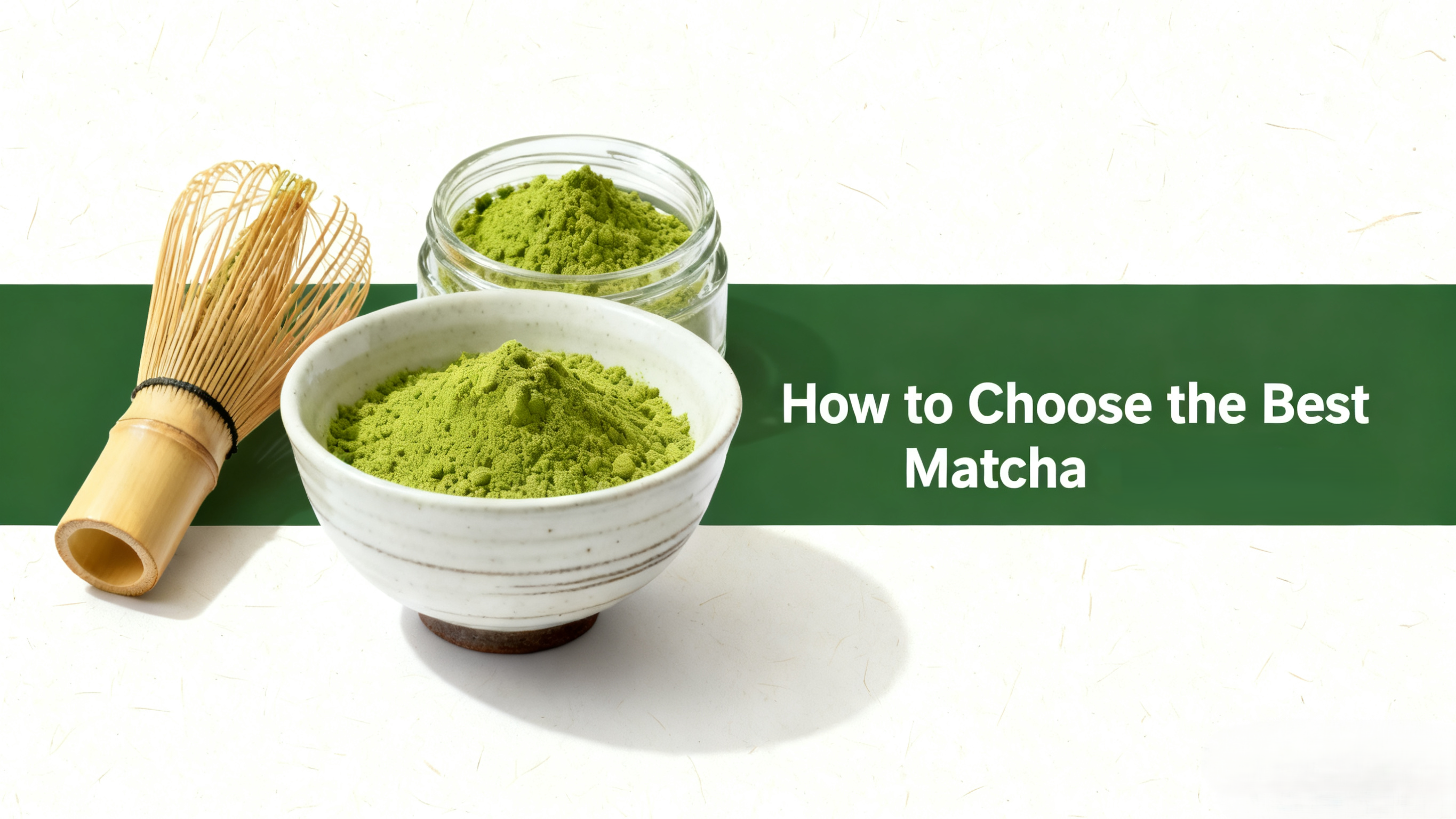
High-quality matcha should be a vivid emerald or pine green.
✅ Good matcha: Bright, vibrant green (rich in chlorophyll from shade-grown tea leaves).
❌ Low-grade matcha: Dull yellow-green or olive tones, often from older leaves or poor storage.
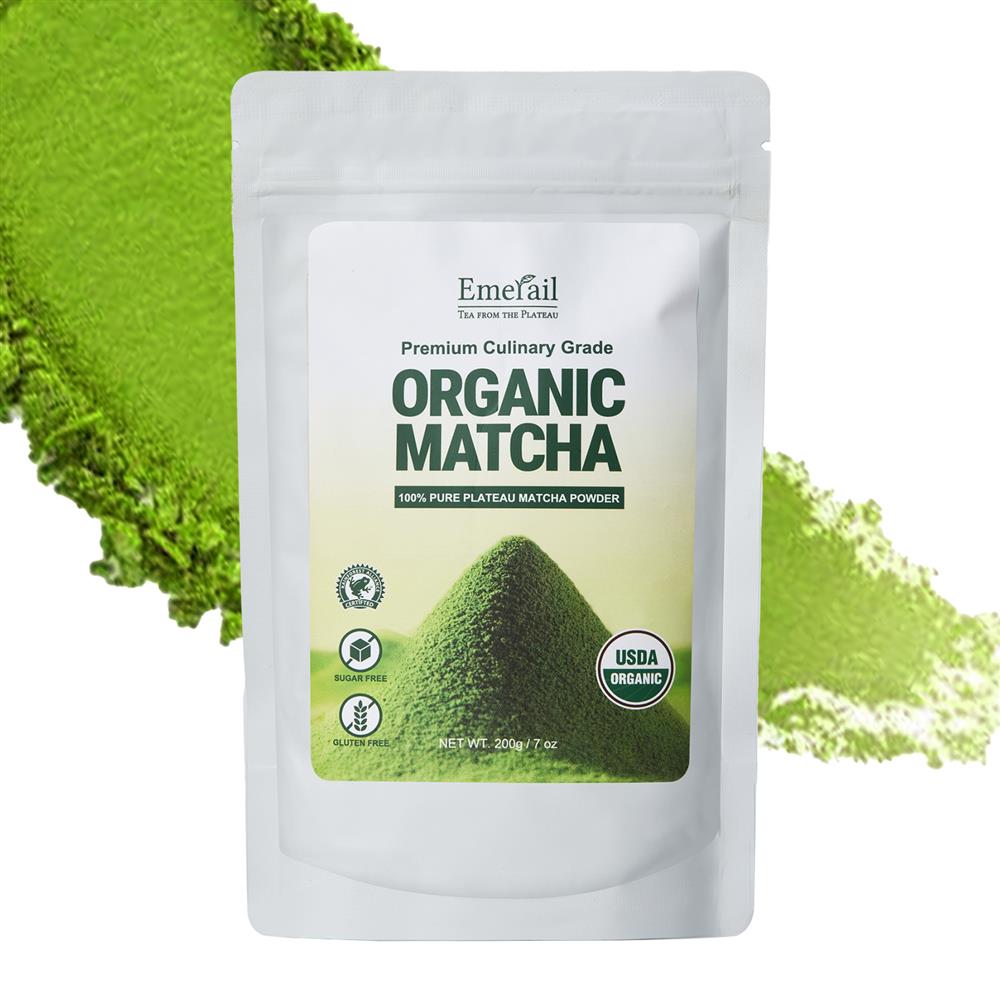
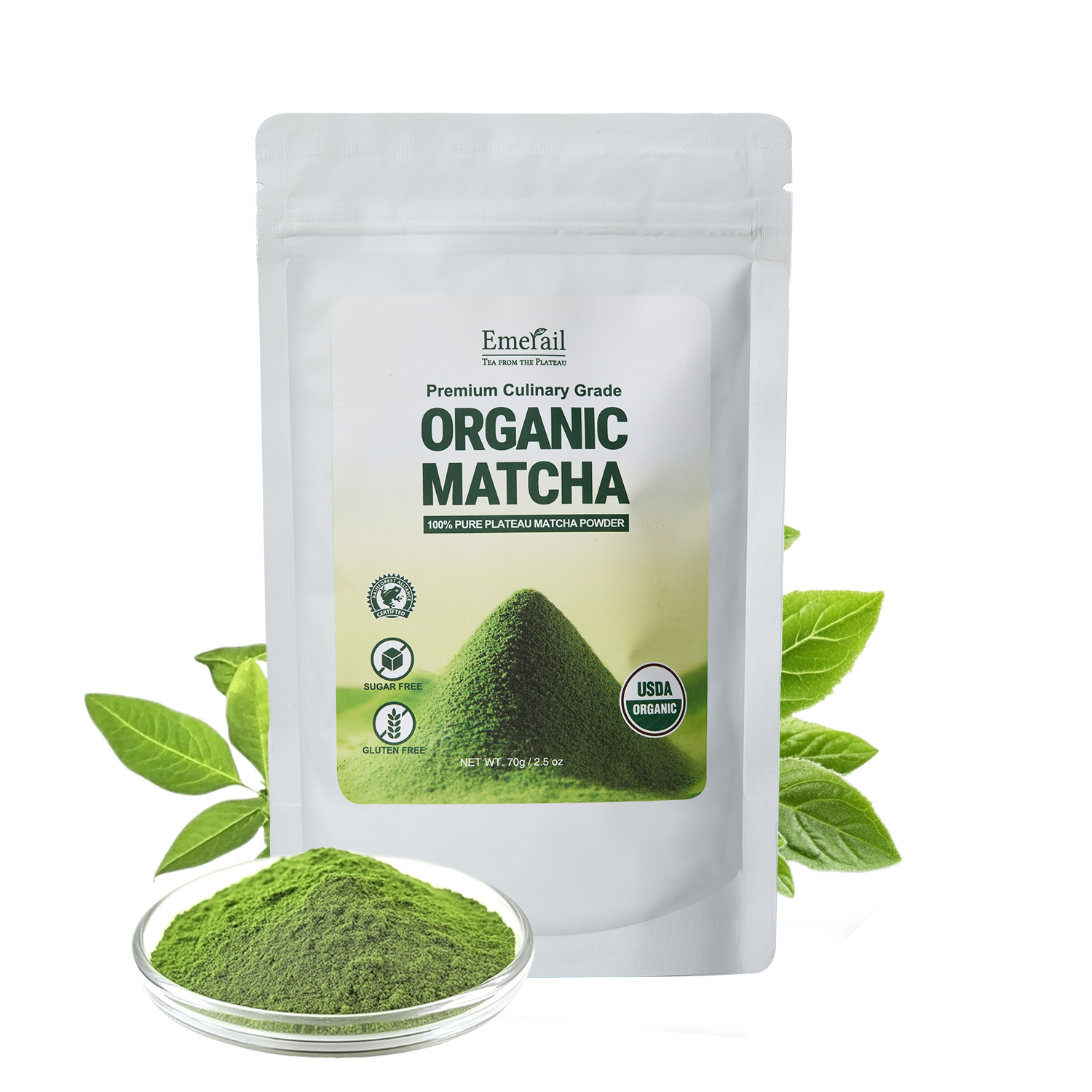
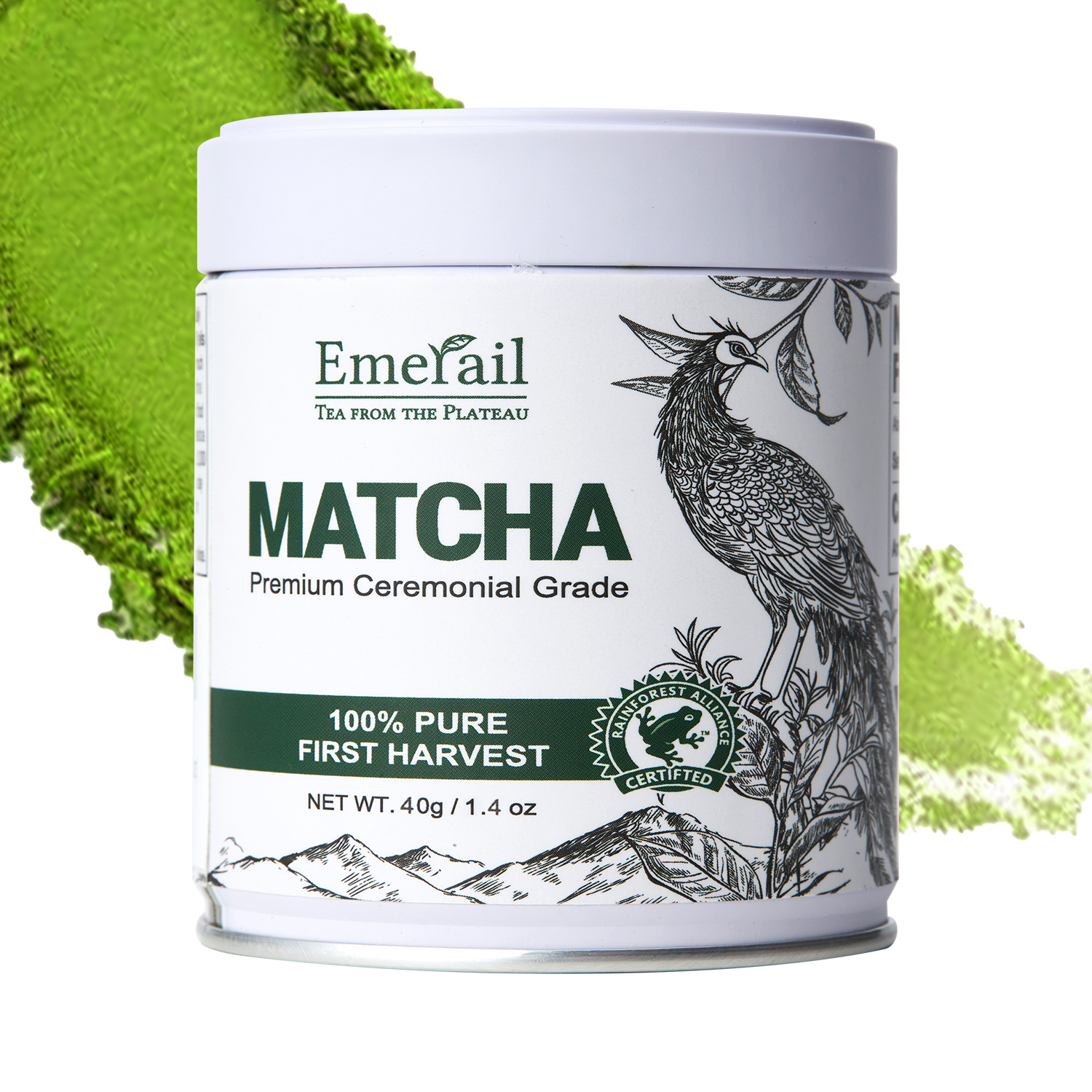
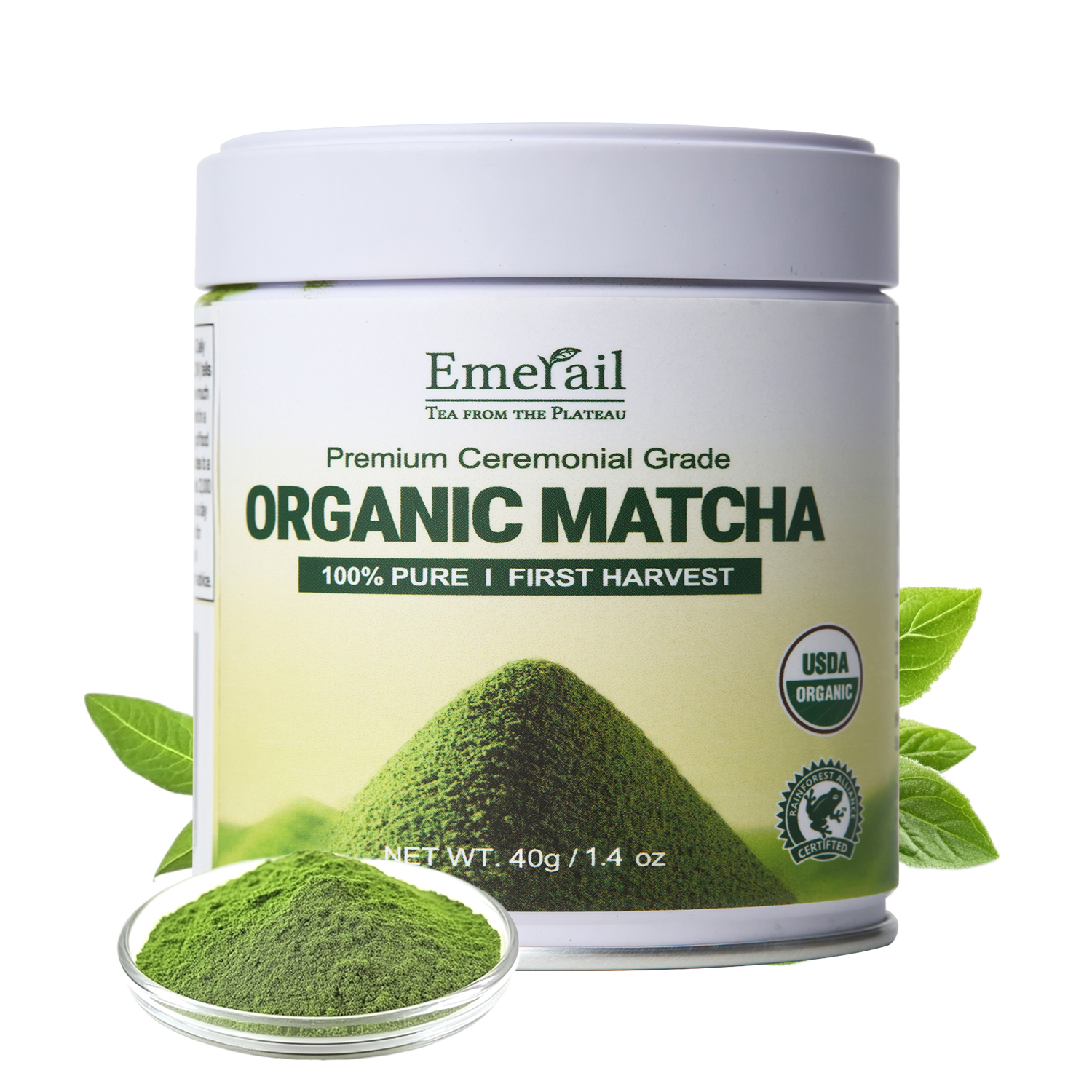
Tip: Emerail Ceremonial Grade Matcha has that rich, velvety green that almost glows under light — a good sign it’s made from first-harvest tencha leaves.
2. Smell – Aroma
A top-tier matcha smells fresh, grassy, and slightly sweet, sometimes with creamy or nutty undertones.
If it smells flat, earthy, or fishy — it’s likely oxidized or low grade.
3. Touch – Texture
Rub a small amount between your fingers.
✅ Fine matcha feels silky, like talcum powder.
❌ Low-grade matcha feels grainy or gritty, meaning it hasn’t been stone-milled properly.
This is where the Finger Test comes in:
Gently rub a pinch between two fingers. If it spreads smoothly and leaves a green stain without clumping, congratulations — you’re holding quality matcha.
4. Taste – Flavor
High-quality matcha should taste smooth, slightly sweet, with a hint of umami and light bitterness.
Poor-quality matcha, on the other hand, can taste overly bitter, metallic, or chalky.
A good matcha should make you feel refreshed, not jittery.
🍵 2. What to Know Before You Buy Matcha Online
Before you hit “Add to Cart,” take a closer look at these factors — they make a big difference in quality and authenticity.
1. Origin
Most people associate the finest matcha with Uji (Kyoto), Nishio (Aichi), and Shizuoka in Japan — regions famous for their centuries-old tea craftsmanship.
But what’s less known is that the true birthplace of tea lies in Guizhou, China, a region with over 3,000 years of tea-growing history.
Today, Guizhou’s highland matcha is gaining global recognition for its ancient tea trees, rich minerals, and pure growing environment. The province’s unique geography — high altitude, low latitude, and year-round mist — creates ideal conditions for slow, nutrient-dense leaf growth.
At these elevations, cold northern continental air meets warm southern tropical air, forming the so-called “Yun-Gui quasi-stationary front” — a natural “humidifier” that maintains perfect humidity and steady temperatures. This rare climate gives Guizhou green tea its naturally smooth, sweet, and umami-rich flavor.
Emerail’s ceremonial-grade matcha is grown in the Fanjing Mountain region of Guizhou, where tea farmers combine centuries of expertise with modern quality standards, ensuring every cup embodies purity, balance, and authentic origin.
2. Price
Price can reflect quality, but more expensive doesn’t always mean better.
- Ceremonial grade: $25–$40 per 30g
- Premium/daily grade: $15–$25 per 30g
- Culinary grade: under $15 per 30g
Emerail offers competitive pricing because it works directly with Japanese tea farmers — skipping the middlemen.
3. Certification
Look for certifications such as:
- USDA Organic
- JAS (Japanese Agricultural Standard)
- Non-GMO or pesticide-free
These labels indicate safe and sustainable farming practices.
4. Customer Reviews
Don’t skip the reviews! Real customer photos and feedback can help you judge freshness, packaging, and flavor consistency.
💬 3. Common Questions About Choosing Matcha
1. Is more expensive matcha always better?
Not necessarily. Some brands overcharge for packaging and marketing. The key is freshness, color, and grind quality — not price alone.
2. Why is Emerail Matcha so affordable?
Yes. Emerail works directly with tea farmers from the plateau of Guizhou, ensuring a farm-to-cup supply chain that maintains exceptional quality while keeping prices fair and accessible.
3. What are the health benefits of matcha?
Matcha is rich in antioxidants (especially EGCG), supports metabolism, and promotes calm focus due to L-theanine. Unlike coffee, it offers energy without the crash.
4. Who should drink matcha?
Anyone who wants a healthier energy boost — students, professionals, athletes, or anyone sensitive to caffeine spikes. It’s also ideal for mindful morning rituals.
5. Does matcha contain caffeine?
Yes, but less than coffee. A cup of matcha contains roughly 70mg of caffeine, compared to 95mg in coffee — with L-theanine balancing its effects.
🌸 Conclusion: Choose Mindfully, Sip Intentionally
Choosing the best matcha isn’t just about buying a green powder — it’s about embracing a mindful lifestyle.
When you sip a cup of quality matcha, you’re enjoying centuries of Japanese tea culture, craftsmanship, and connection to nature.
If you’re ready to start your own ritual, Emerail Ceremonial Grade Matcha is a great place to begin — smooth, vibrant, and balanced, perfect for whisking or matcha lattes at home.