
If you’re a practice meditation, breathwork, or mindful movement, small routine changes can meaningfully improve your session. Coffee sharpens, but it often brings jitter and a crash. Matcha offers a different kind of lift: calm, sustained focus without the crash. That makes it an excellent pre-meditation ritual for people who want a clearer mind and steadier energy.
This article explains what matcha is, the top matcha benefits supported by research, how to use it before practice, and why Emerail Matcha may be a practical daily choice.

What Is Matcha Made Of? — What Is Inside Matcha
Matcha is whole green tea leaves (Camellia sinensis) ground into a fine powder. Unlike steeped tea, where you discard the leaf, with matcha you ingest the entire leaf—so you get concentrated catechins (especially EGCG), the calming amino acid L-theanine, and caffeine. That trio explains much of matcha’s effects: antioxidant support, a calmer form of alertness, and a gentle stimulant when you need it.
Top 10 Evidence-Backed Benefits of Drinking Matcha
1. Extremely High in Antioxidants
Because you consume the whole leaf, matcha delivers more catechins per serving than typical brewed green tea. These antioxidants help neutralize oxidative stress and support long-term cellular health.
2. Calm, Focused Energy (L-theanine + Caffeine)
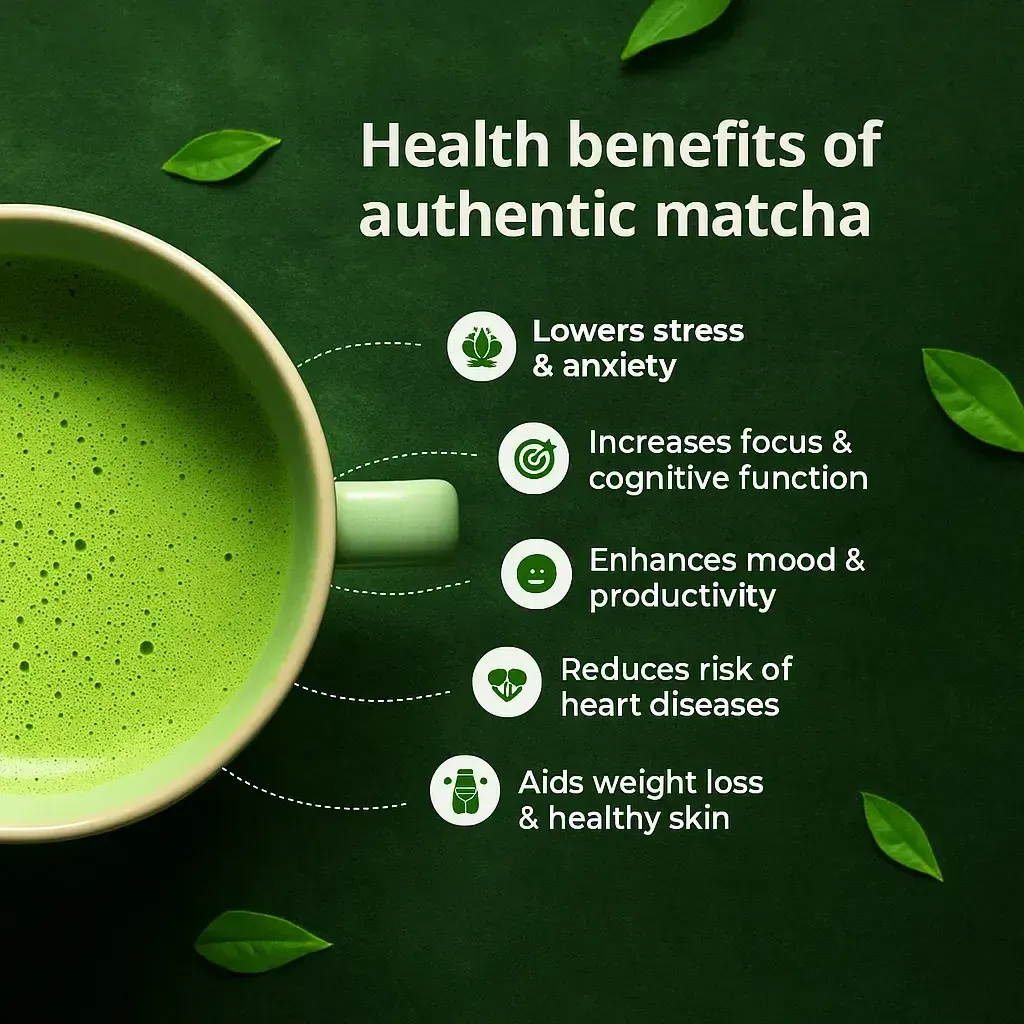
L-theanine promotes alpha brain waves tied to relaxed alertness. When combined with matcha’s moderate caffeine, research finds improved attention and reduced mental fatigue compared with caffeine alone—making it ideal before meditation.
3. Improved Attention and Cognitive Performance
Studies indicate that the mix of caffeine, L-theanine, and EGCG can support memory, reaction time, and task switching. For practice sessions that require sustained presence, these effects are useful.
4. A Steadier Stimulant — How Much Caffeine in Matcha?
Matcha’s caffeine content varies by grade and serving, but a typical gram contains roughly 35–70 mg. Because L-theanine tempers the stimulant effect, many people report a smoother, longer-lasting lift than coffee’s quick spike and crash.
5. Gentle Metabolism Support
Green-tea catechins have been associated with small increases in calorie burning and fat oxidation when paired with diet and exercise—helpful if you combine meditation with yoga or mindful movement.
6. Heart-Health Markers
Broader green-tea research suggests modest improvements in LDL cholesterol, triglycerides, and blood sugar control. Matcha’s concentrated catechins work through the same mechanisms, which may support cardiovascular health over time.
7. Emerging Liver and Metabolic Benefits
Early animal studies and a few small human trials suggest that matcha’s concentrated catechins may help protect the liver and support metabolic regulation—for example, by improving markers related to fat metabolism and liver function. That said, the evidence is still preliminary; larger, well-designed human studies are needed before we can make definitive health claims.
8. Mood Stability and Lower Anxiety Risk
Population studies and biochemical evidence link regular green-tea consumption to lower rates of depressive symptoms. L-theanine’s calming profile likely contributes; for meditators with background anxiety, matcha can help steady mood.
9. Skin and Antimicrobial Benefits
Matcha’s antioxidants and anti-inflammatory compounds are used in skincare and show antimicrobial activity in lab studies. Over time, dietary antioxidants support whole-body skin health.
10. Recovery and Mild Performance Boost
Matcha’s antioxidant profile and mild stimulant effect can aid endurance and recovery for light-to-moderate workouts—useful if you pair meditation with movement.
What The Science Actually Says
The active compounds in matcha—EGCG, L-theanine, and caffeine—are well-studied and show plausible benefits for cognition, antioxidant defense, and metabolic markers. However, many controlled trials focus on green tea broadly rather than matcha alone, and reported effects are often modest. Very high doses of concentrated green-tea extracts have in rare cases been linked to liver stress, so moderation is sensible. If you have low iron or take medications, consult your clinician because polyphenols can affect iron absorption and drug metabolism.
How To Use Matcha In Your Meditation Ritual
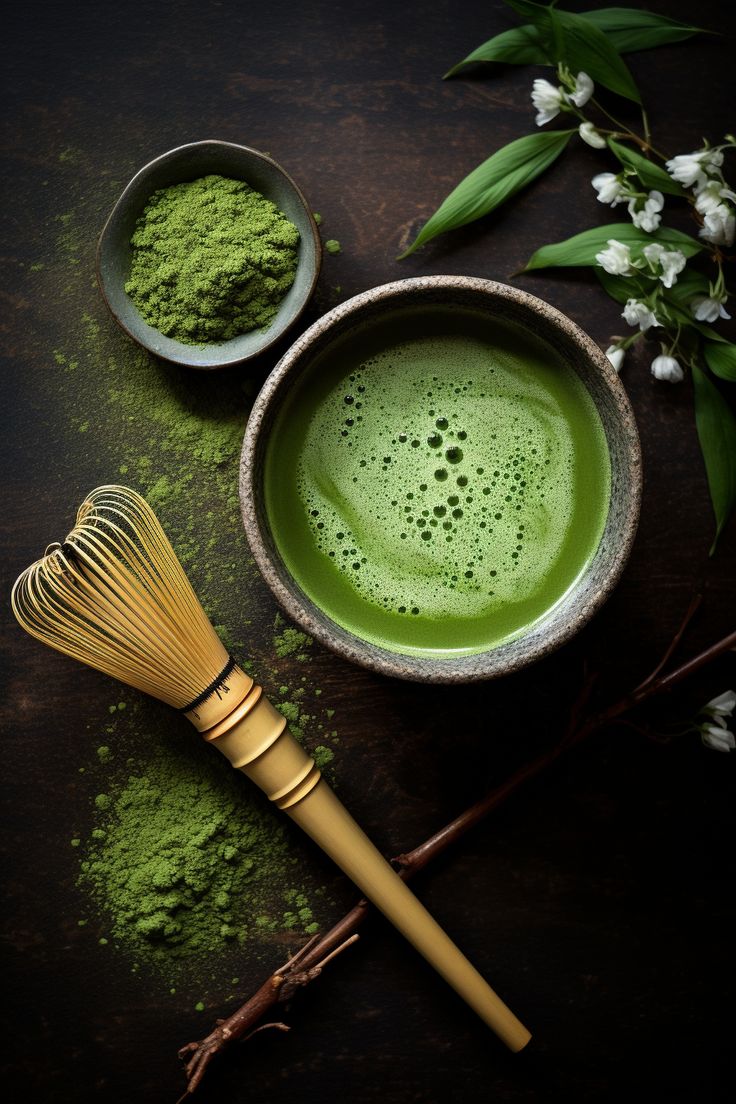
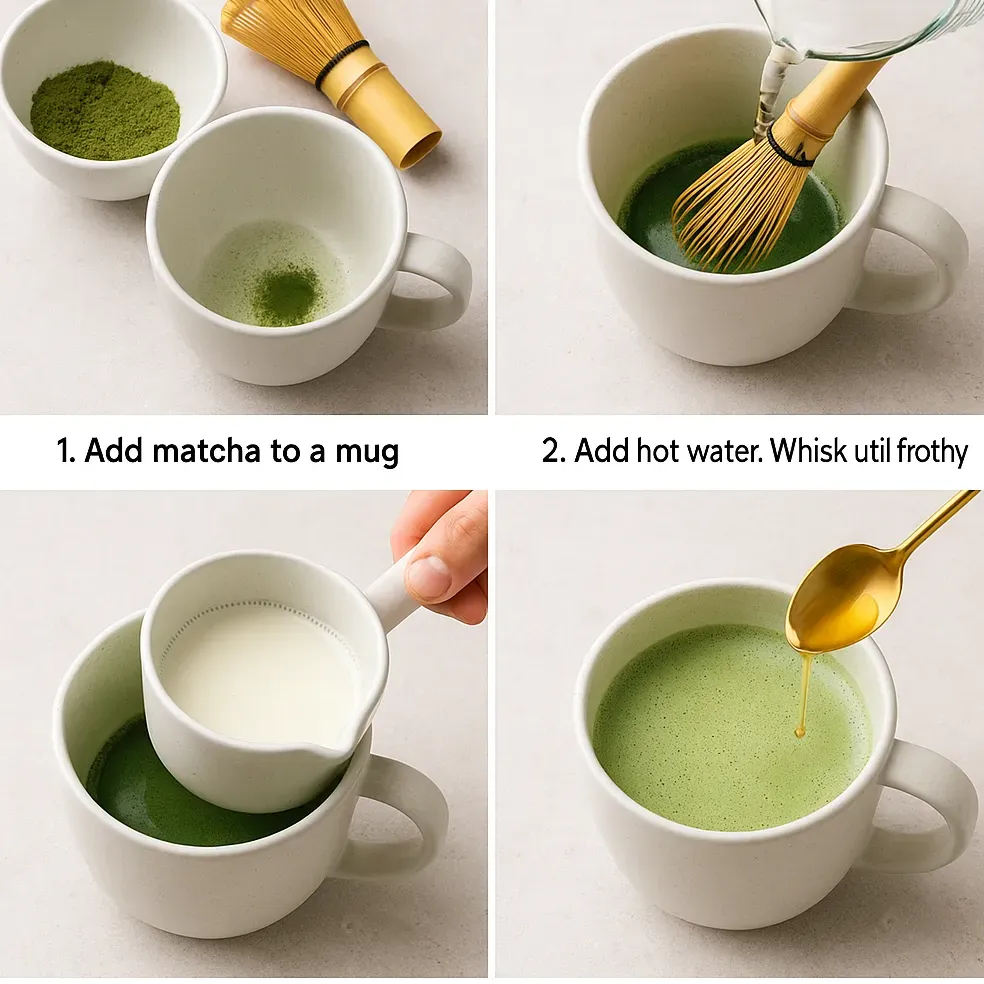
Pre-meditation latte: Whisk ½–1 teaspoon matcha into 2 tbsp hot water until smooth, then add 6–8 oz warm milk or a milk alternative. Sip 20–40 minutes before practice.
If you’re caffeine-sensitive: start with ½ teaspoon or dilute more—L-theanine still supports calm focus.
Texture matters: pick a fine powder that dissolves cleanly; clumps distract from the ritual. For daily mixed drinks, choose a powder formulated for blending rather than ceremonial straight-sipping.
Simple Matcha Latte Recipe
½–1 tsp matcha + 2 tbsp hot water — whisk into a paste.
Add 6–8 oz warmed milk or plant milk; froth or stir.
Optional: a touch of honey or vanilla. Drink 20–40 minutes before meditation.
Why Choose Emerail Matcha?
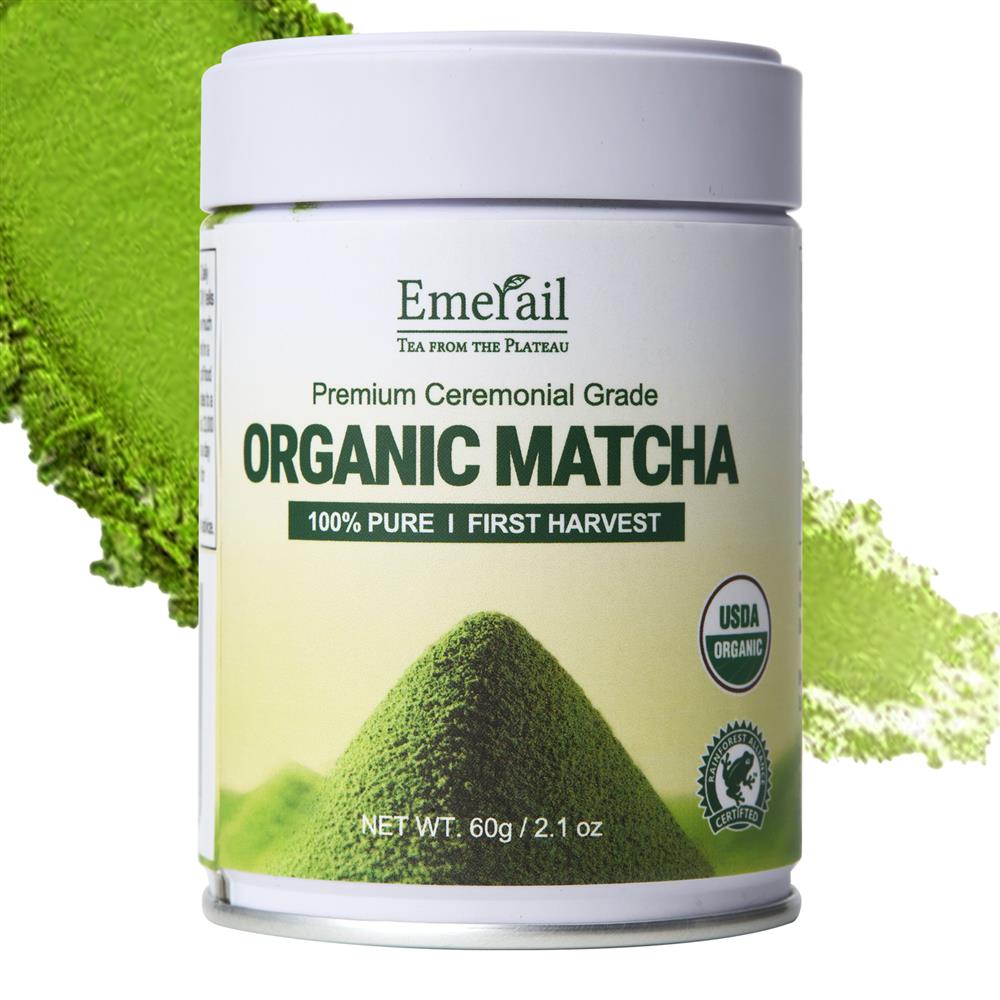
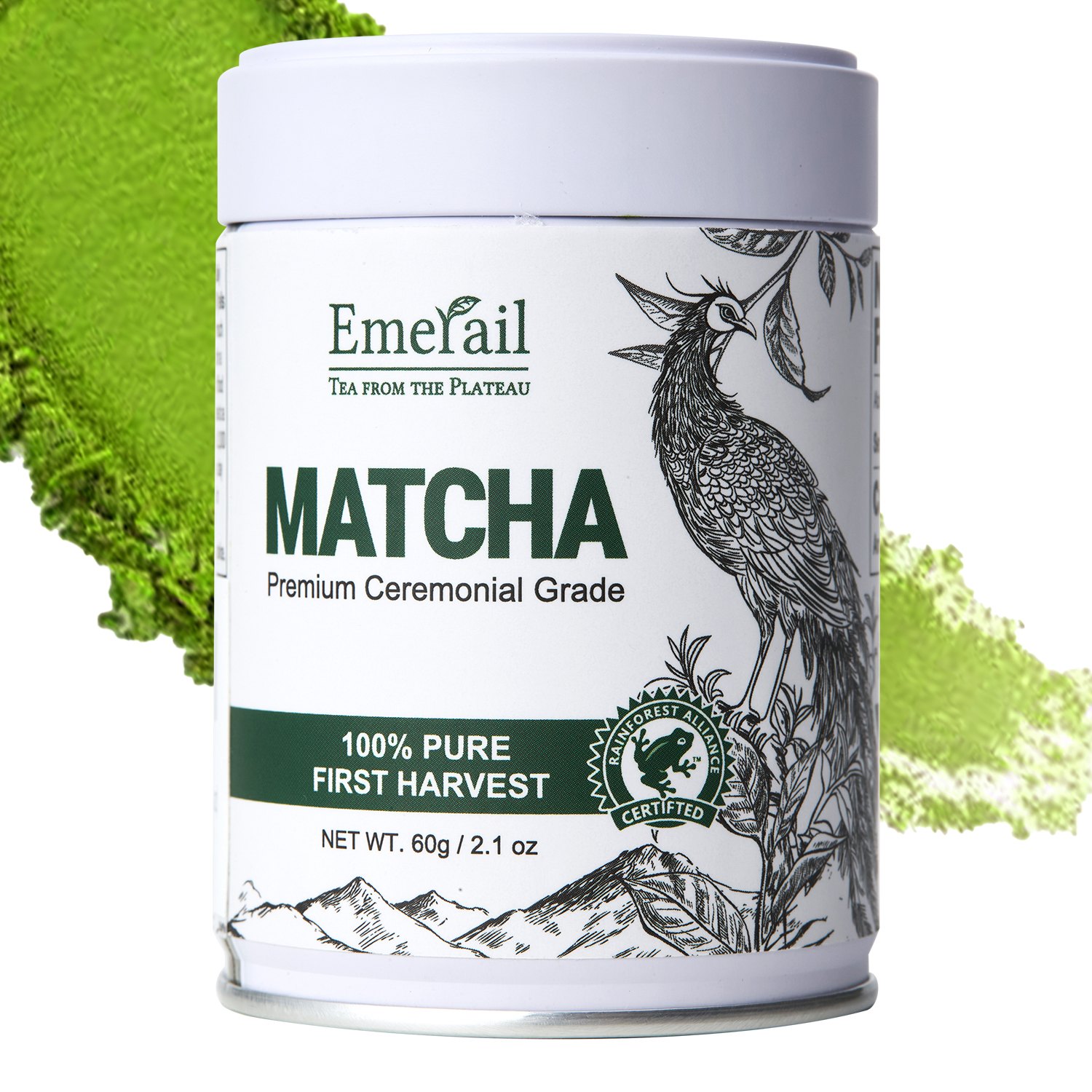
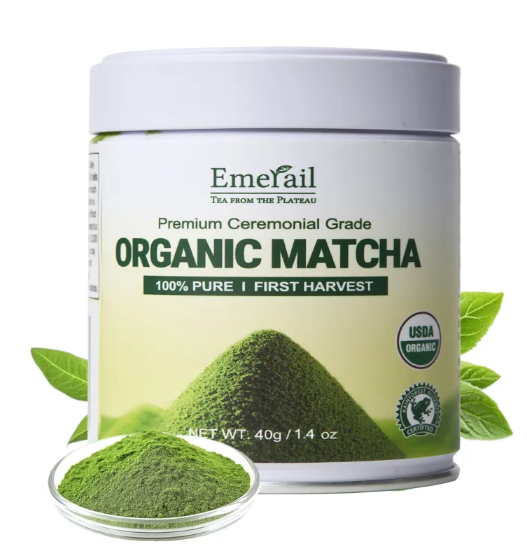
If you want a matcha that’s priced sensibly for daily use and mixes reliably into lattes and blended rituals, Emerail Matcha is positioned as a mid-range option at about $12–$17 per tin. Core selling points: smooth mixability, bright green color, and formulated for blending—ideal for meditators who want consistent texture and dependable taste.

Quick FAQs
Q: What is inside matcha?
A: Whole powdered green tea leaves—high in catechins (EGCG), L-theanine, vitamins, and caffeine. (PubMed)
Q: How much caffeine in matcha?
A: Roughly 35–70 mg per gram, depending on grade and serving size. Many people find the effect smoother than coffee because L-theanine moderates the stimulant. (WebMD)
Q: What are the advantages of matcha over regular green tea?
A: Because you consume the whole leaf, matcha delivers higher concentrations of antioxidants and L-theanine per serving, which often translates to stronger cognitive and antioxidant effects per scoop. (PubMed)
Final Note
Matcha isn’t a miracle cure, but for meditation-minded Americans who want steadier energy, clearer focus, and a pleasant ritual, it’s among the best natural tools available. Backed by antioxidant science and studies on the L-theanine + caffeine synergy, a daily matcha ritual can help you arrive at practice calmer and more present.