
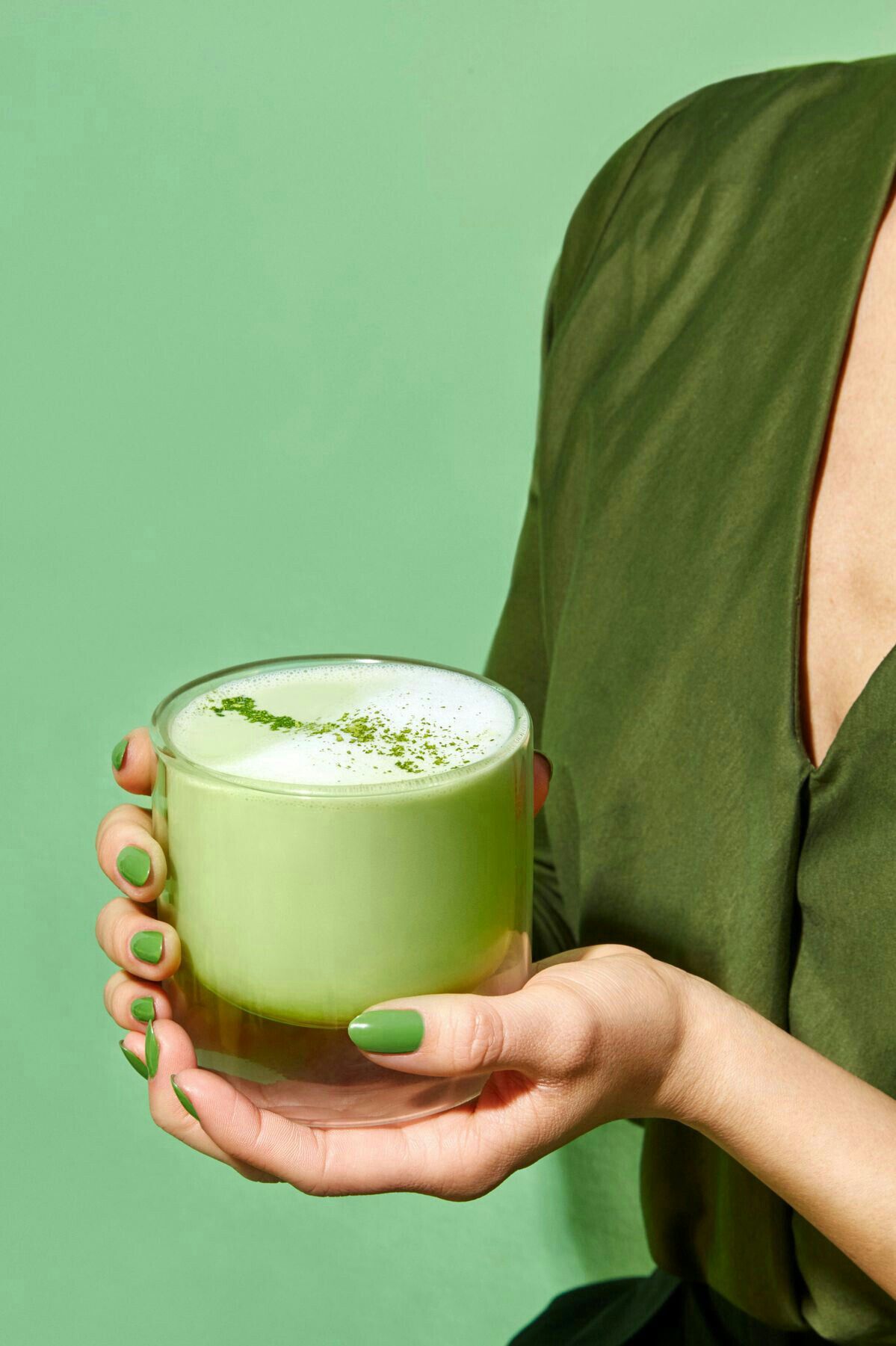
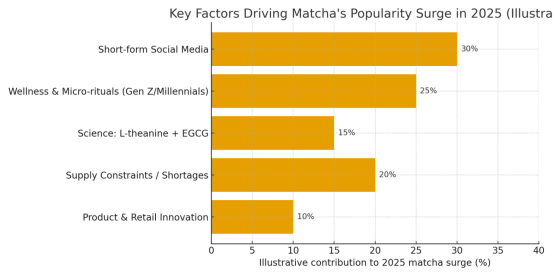
By 2025, matcha powder moved well beyond café trends and influencer posts to become a repeatable consumer ritual across the U.S. and Europe. That surge wasn’t accidental: it came from a rare alignment of platform mechanics, cultural demand for small daily rituals, accessible science-backed benefits, supply-side limits, and rapid retail/product innovation. Each force amplified the others, turning casual curiosity into habitual buying. Below we unpack each driver, point to the evidence, and give practical guidance so readers can pick matcha that’s both delicious and responsibly sourced.
1. Platform mechanics: why short-form video supercharged discovery
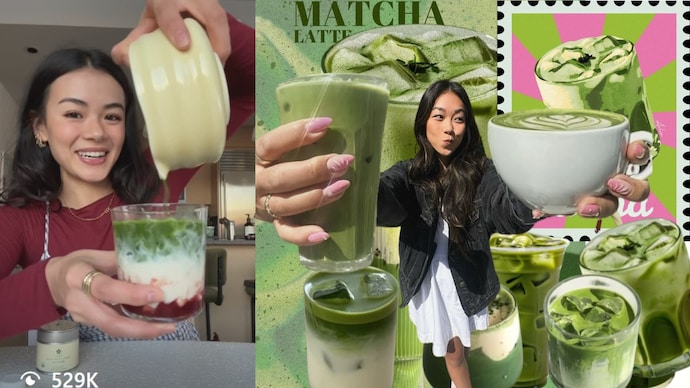
Short-form video platforms (TikTok, Instagram Reels) reward bright, immediate, repeatable content. Matcha’s neon-green color, simple whisk motion, layered lattes and quick DIY recipes are tailor-made for six- to thirty-second clips. Creators demonstrate “one-ingredient upgrades” (add matcha), visually distinct beverages and easy recipes — and millions of impressions follow. The net effect: the discovery funnel compressed from months to days; a casual scroll becomes a purchase minutes or hours later. Industry trend reporting directly links TikTok virality to the demand spike for matcha in 2024–25.
What this means: visual tutorial content doesn’t just inform — it normalizes daily use. Brands that produce short, educational content win habitual buyers.
2. Cultural fit: matcha as an affordable, repeatable ritual
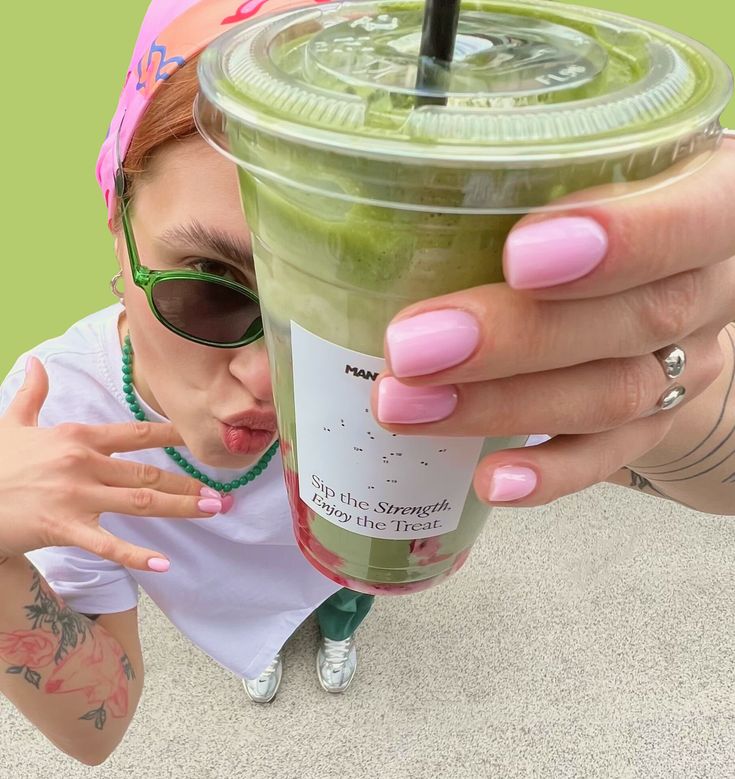
Economic and social trends among Millennials and Gen Z favor “micro-rituals” — low-cost acts of self-care that are repeated daily and shared socially. A $3–$6 matcha latte becomes both a personal wellness moment and a visible lifestyle cue on social feeds. This “affordable affluence” pattern makes matcha an easy, repeat purchase: consumers are more likely to maintain a subscription or keep a jar at home than to buy a $20 occasional luxury. Reporting on lifestyle shifts and the “small luxury” effect highlights how matcha neatly fits modern consumption choices.
3. Science that’s easy to explain: L-theanine + EGCG = a simple, shareable benefit
Matcha delivers concentrated levels of L-theanine and catechins (notably EGCG), because you ingest the whole leaf rather than an infusion. L-theanine has been shown in randomized studies to support relaxed attention and calm-focused states, while EGCG is a well-documented antioxidant with multiple cellular effects. Those two facts are easy to communicate — “alert but calm” — and content creators amplified that message into daily-use rationale. (Caveat: individual responses vary and matcha is not a medical treatment.)
How shoppers translate science into practice: novelty gives way to routine when benefits are both felt (milder caffeine lift) and understood (shared language: “L-theanine helps focus”).
4. Supply-side constraints: real shortages raised urgency and premiumization
Demand surged just as production hit limits in major producing regions. Reports in 2025 documented crop yield declines in key Japanese districts (heat stress, aging farmer base, limited farmland and processing capacity) while export demand soared — creating price spikes and lower availability for ceremonial-grade matcha. The headline of “shortage” accelerated buying behavior: consumers who might have “waited” instead moved to purchase, often selecting traceable, higher-priced tins. Reuters and Time reported on yield drops, auction price spikes, and export surge figures that underpinned this scarcity narrative.
Result for the market: more premiumization (consumers pay for provenance), and more attention to origin labels, testing certificates, and small-batch claims.
5. Product & retail innovation: matcha everywhere = more discovery paths
Matcha expansion into RTD beverages, baked goods, snacks, supplements, shakes and skincare multiplied the ways consumers first encounter the ingredient. Instead of a single tea aisle exposure, matcha now appears across grocery, cafés, beauty counters, and social media content. Each touchpoint boosts search queries (e.g., “best matcha powder for latte”, “ceremonial matcha vs culinary”, “matcha recipes”) and increases the probability of conversion. This is classic funnel multiplication: more doors in → more traffic out. Industry write-ups and trade posts noted how category extension materially increased retail velocity in 2024–25.
What quality-conscious buyers should do right now
- Check the grade label — ceremonial for whisked cups, culinary for baking/smoothies.
- Look for provenance — country → region → altitude. High-altitude, cloud-cooled leaves often show deeper color and richer umami.
- Seek testing/transparency — export/lab tests (US/EU/Japan) and pesticide-residue information build trust.
- Choose proper packaging — small, opaque tins protect against light and oxidation.
- Prefer brands that teach — recipe content and tutorials encourage repeat use.
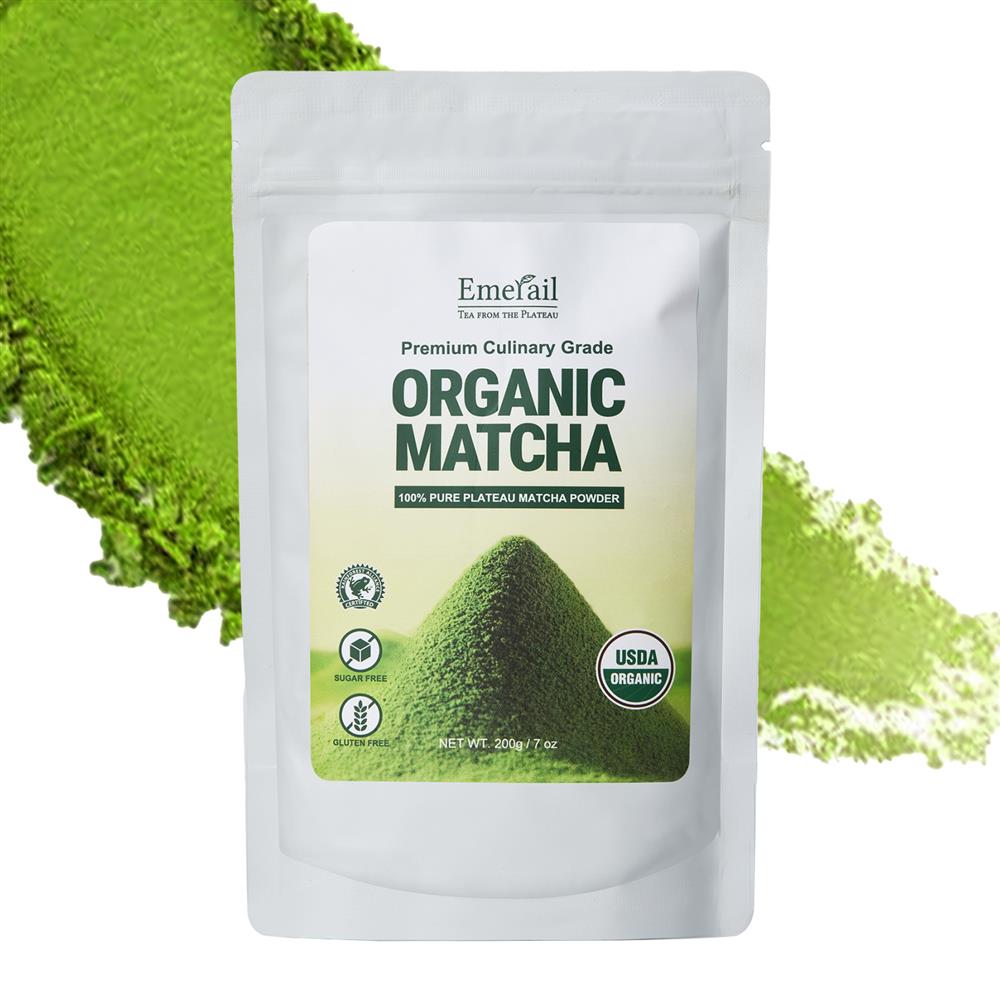
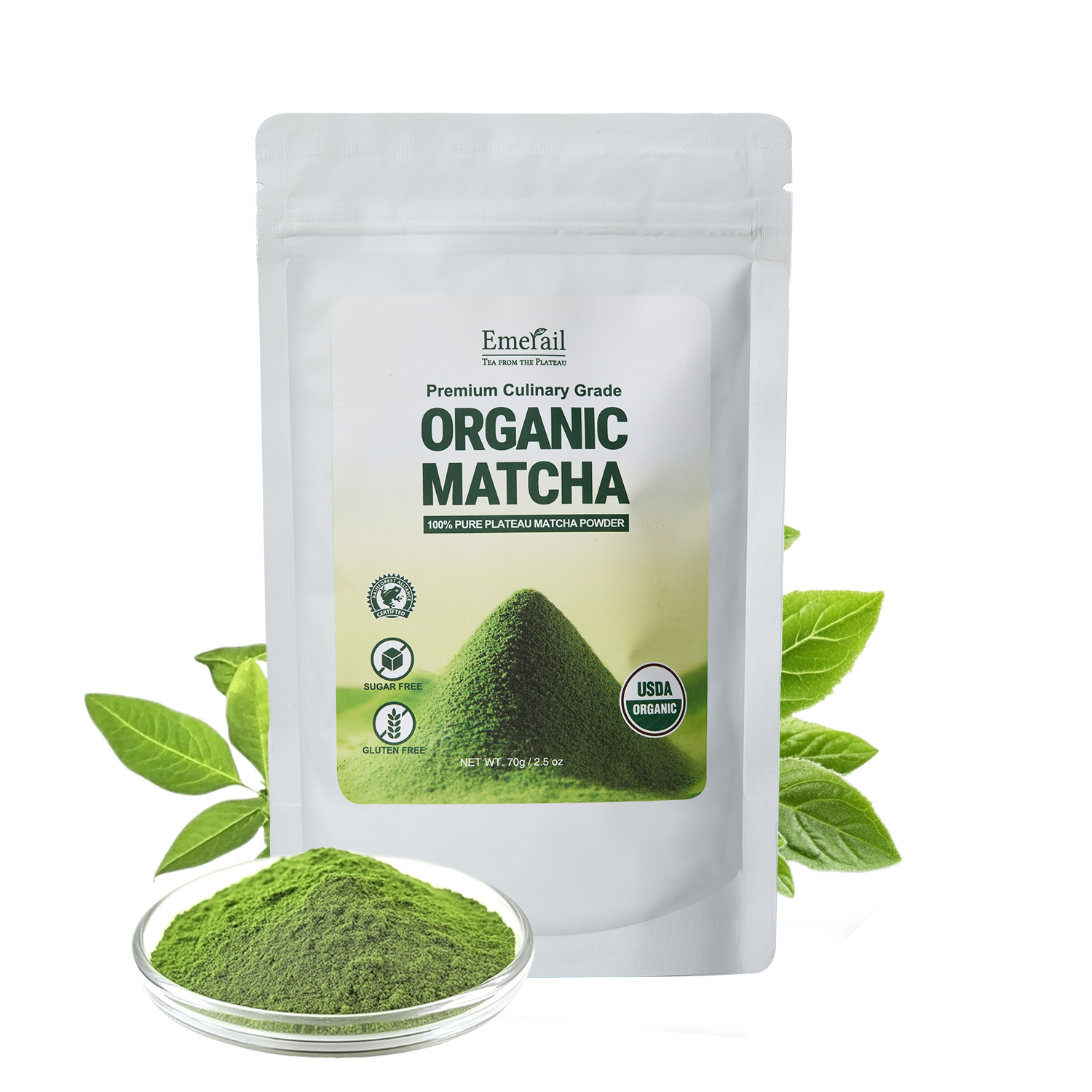
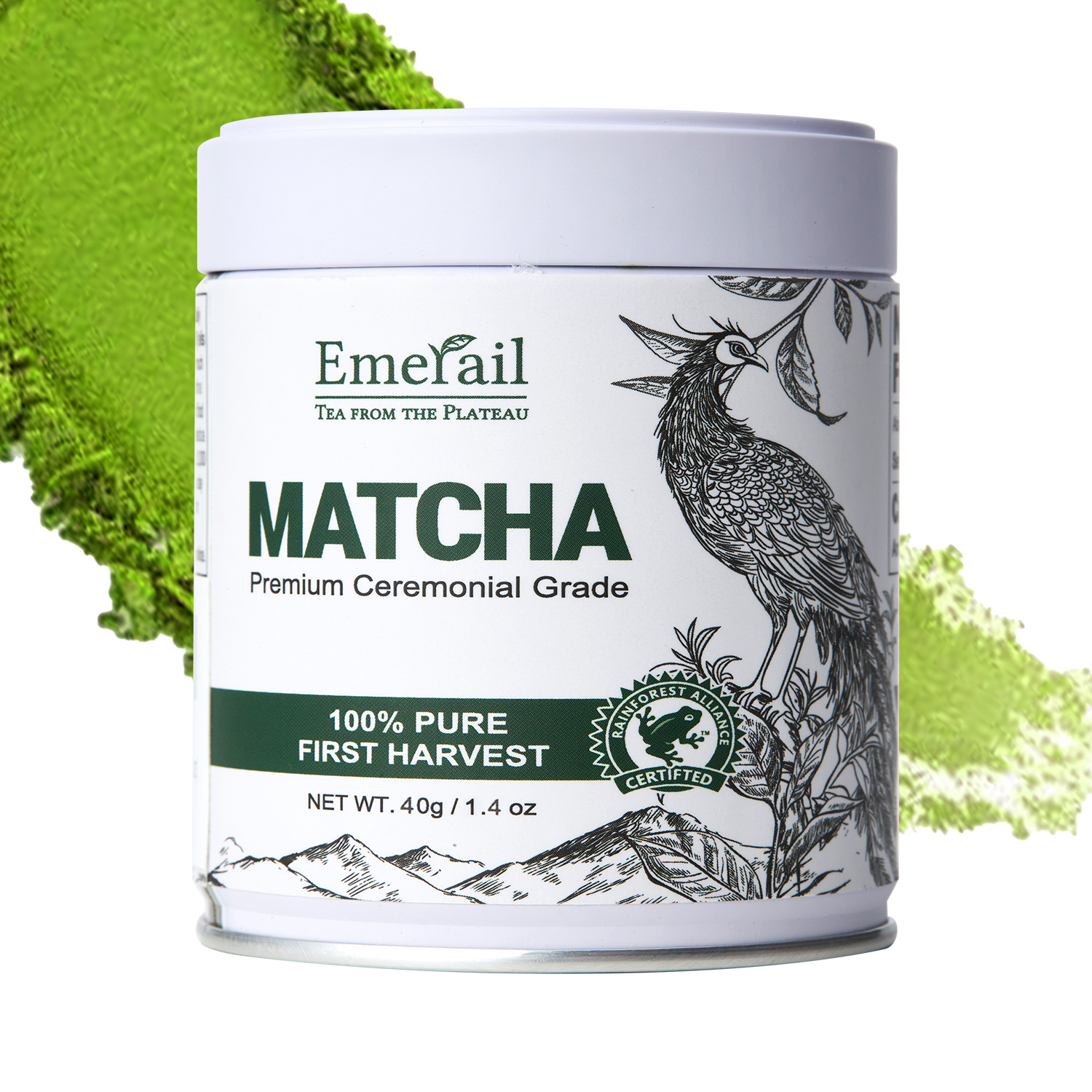
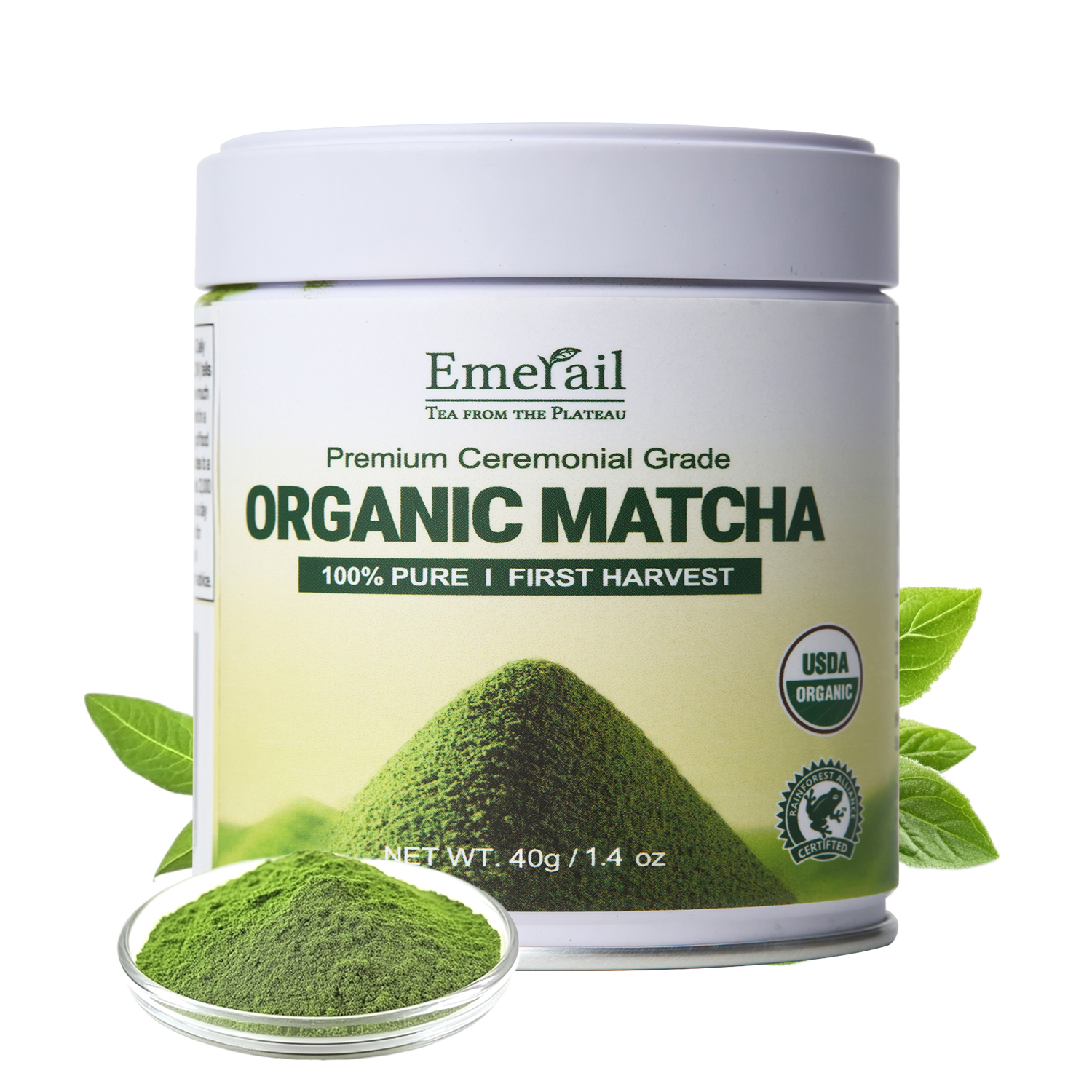
Example: Emerail Plateau Matcha fits these buyer filters — grown on cloud-kissed plateaus in Fanjing Mountain, Guizhou (China), produced with minimized chemical intervention and accompanied by international testing (U.S., EU, Japan) — a practical choice for shoppers prioritizing origin and QA.
Pricing & value: why paying more can make sense
When shortages hit, price becomes a proxy for traceability and quality. That doesn’t mean the cheapest jar is “bad,” but in a constrained market, the best way to protect daily ritual is to buy from brands that clearly publish origin, grade and testing. Small-batch ceremonial matcha is a per-serving premium that often delivers superior color, smoother flavor, and fewer bitter compounds — and therefore higher satisfaction per cup.
Quick guide — how to make a great iced matcha latte
- 1 tsp ceremonial matcha (sifted)
- 2–3 tbsp hot water (dissolve)
- 8–10 oz cold milk or plant milk + ice
Whisk or vigorously shake the dissolved matcha with milk and ice. Optional: a touch of sweetener. Use ceremonial for sipping; culinary for blending into smoothies or baking.
Closing takeaway — durable trend, not a bubble
The 2025 matcha boom is structural: platforms accelerated discovery, culture rewarded repeat rituals, science gave an easily communicable functional benefit, supply-side realities pushed premiumization, and product innovation created many discovery points. For brands and buyers alike, the winning formula is simple: high visibility + transparent provenance + verifiable testing = trust & repeat purchases. Choose matcha with clear origin labels, grade clarity, and published lab results — those are the products built to sustain daily rituals long term.