
Matcha has swept the globe—not just for its vibrant color and visual appeal, but for its layered flavor profile and drinkable functionality. If you’ve never tried matcha before, you’re probably wondering: what does it actually taste like? Here’s a clear, practical breakdown to help you taste, brew, and choose the right matcha for your cup.
Quick answer
Matcha can taste bright and vegetal, sweet-umami, or slightly bitter, depending on the grade, freshness, and preparation. A good ceremonial matcha should be smooth, subtly sweet, and have a pronounced umami character. Culinary matcha is greener and bolder—great for lattes, baking, and recipes where matcha must hold up to other flavors.
The main flavor components of matcha
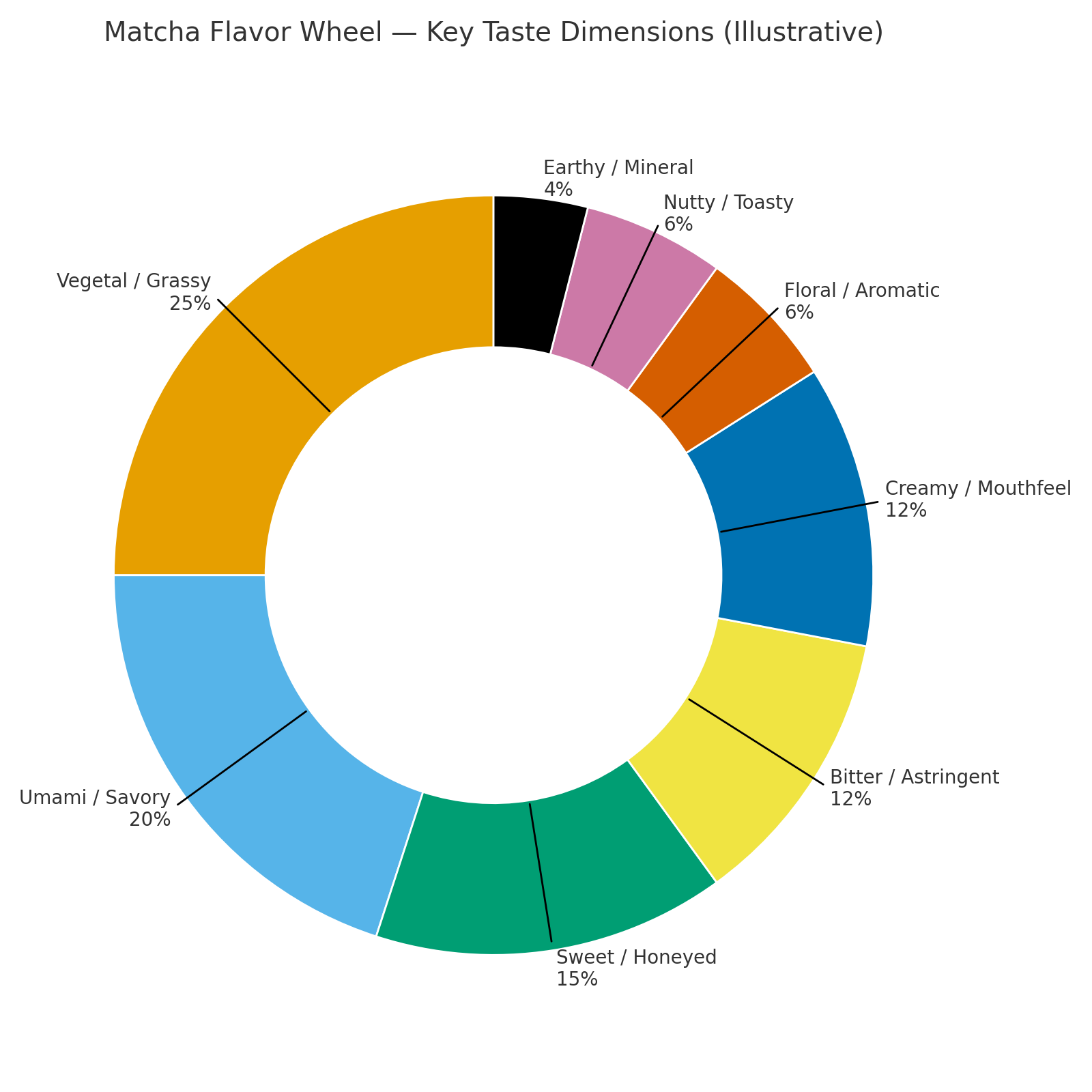
- Umami / Savory: A savory, brothy depth is a hallmark of higher-grade matcha—often described as “umami.” This comes from shading the tea plants before harvest, which boosts amino acids.
- Vegetal / Grassy: Think spinach, fresh greens, or seaweed—this note is common across grades and stronger in lower or culinary grades.
- Sweetness / Natural sweetness: High-quality matcha often finishes with a gentle, lingering sweetness that balances other notes.
- Bitterness / Astringency: Bitter or astringent tastes are normal when matcha is over-extracted, old, or the wrong grade is used for sipping.
- Creamy mouthfeel: Properly whisked matcha forms a fine foam and a smooth, creamy texture on the palate.
How grade affects taste — quick reference
|
Feature |
Ceremonial Grade Matcha |
Premium / Daily Grade Matcha |
Culinary Grade Matcha |
|
Color |
Vibrant deep green, often described as “pine green” |
Bright deep green |
Soft or muted green |
|
Aroma |
Fresh, sweet, grassy, vegetal — sometimes with creamy, nutty, or buttery notes |
Refreshing and pleasant aroma |
Plant-like aroma |
|
Taste |
Smooth, creamy, and balanced with umami (savory), natural sweetness, and subtle bitterness |
Rich, well-balanced flavor with a smooth mouthfeel |
Strong astringency and bitterness |
|
Texture |
Ultra-fine and silky, almost like talcum powder |
Smooth texture |
Coarser particles with a slightly gritty feel |
|
Best Use |
Whisked and sipped directly, traditional tea ceremonies |
Lattes (hot or iced), blended drinks |
Baking, smoothies, cooking, mixed beverages |
Why matcha can taste “grassy” or “bitter” — and how to fix it
If your matcha tastes off, common causes and fixes include:
- Wrong grade for the job: Using culinary matcha for a whisked cup → try ceremonial grade.
- Water too hot: Boiling water extracts more bitterness. Aim for 160–175°F (70–80°C).
- Clumps / poor whisking: Sift your powder and whisk well to avoid concentrated pockets of flavor.
- Stale powder: Matcha oxidizes if exposed to air/light; store in an airtight, opaque tin and refrigerate if you don’t use it quickly.
How to taste matcha like a pro
- Look — bright emerald color usually means freshness and higher quality.
- Smell — aroma ranges from grassy to sweet/seaweed-like; high-grade matcha smells fresh and slightly sweet.
- Sip — note the first impression (bitterness), the mid-palate (vegetal/umami), and the finish (sweetness or lingering astringency).
- Feel — a fine foam and smooth mouthfeel indicate good whisking and quality powder.
Basic brewing method (ceremonial-style)
- Sift 1 teaspoon (≈2 g) ceremonial matcha into a bowl.
- Add 2–3 tablespoons (30–45 ml) water at 160–175°F (70–80°C).
- Whisk briskly in an “M” or “W” motion for 15–30 seconds until frothy.
- Top with hot water or milk to taste. For iced lattes, dissolve matcha in a small hot shot, then pour over milk and ice.
Quick troubleshooting chart
|
Problem |
Likely cause |
Quick fix |
|
Bitter cup |
Water too hot / too much powder / wrong grade |
Cool water to 70–80°C; use less powder; use ceremonial grade |
|
Clumpy paste |
Powder not sifted |
Sift before whisking |
|
Flat / astringent taste |
Stale powder |
Buy smaller tins; store airtight & refrigerated |
|
Grainy texture |
Poor whisking / low-quality powder |
Whisk vigorously; try a higher grade |
Matcha pairings & flavor matches
Matcha pairs beautifully with: white chocolate, almond, vanilla, citrus zest, black sesame, red bean, oat or almond milk. These pairings highlight either matcha’s sweet-umami side or its bright vegetal notes. For savory pairings, light cheeses or simply prepared seafood complement ceremonial matcha’s umami.
Real-world impressions from drinkers
- “Too grassy” — usually a grade or prep issue; try ceremonial or lower the water temperature.
- “Smooth and sweet” — the classic result with a fresh, high-grade ceremonial matcha.
- “Bitter in lattes” — often from using too much powder or the culinary grade; start with 1 tsp per 8–12 oz milk.
How to pick a quality matcha — quick checklist
- Color: bright emerald green signals freshness and proper shading.
- Aroma: fresh and sweet vs. stale/hay-like.
- Grade & labeling: clear grade labels (ceremonial vs. culinary) and origin details.
- Packaging: small, opaque, airtight tins protect flavor.
- Transparency: batch numbers, harvest info, and test/certification details are a bonus.
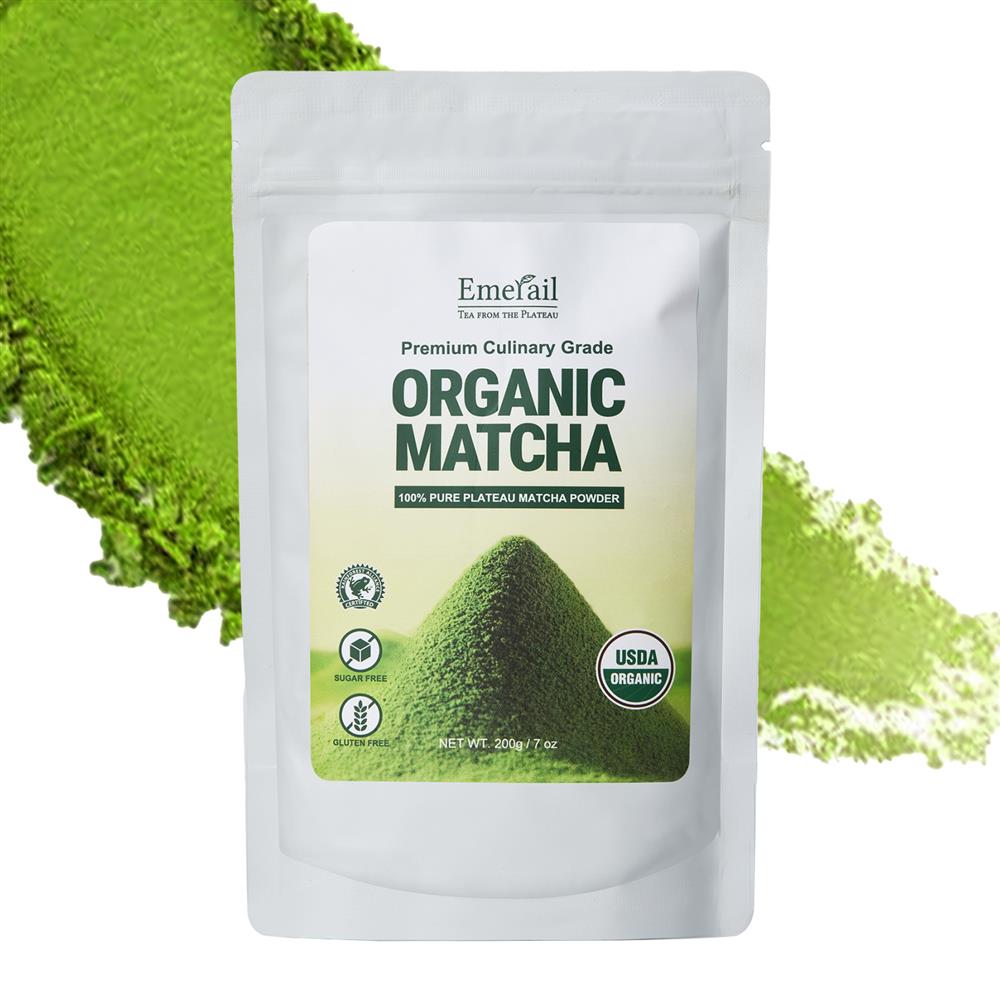
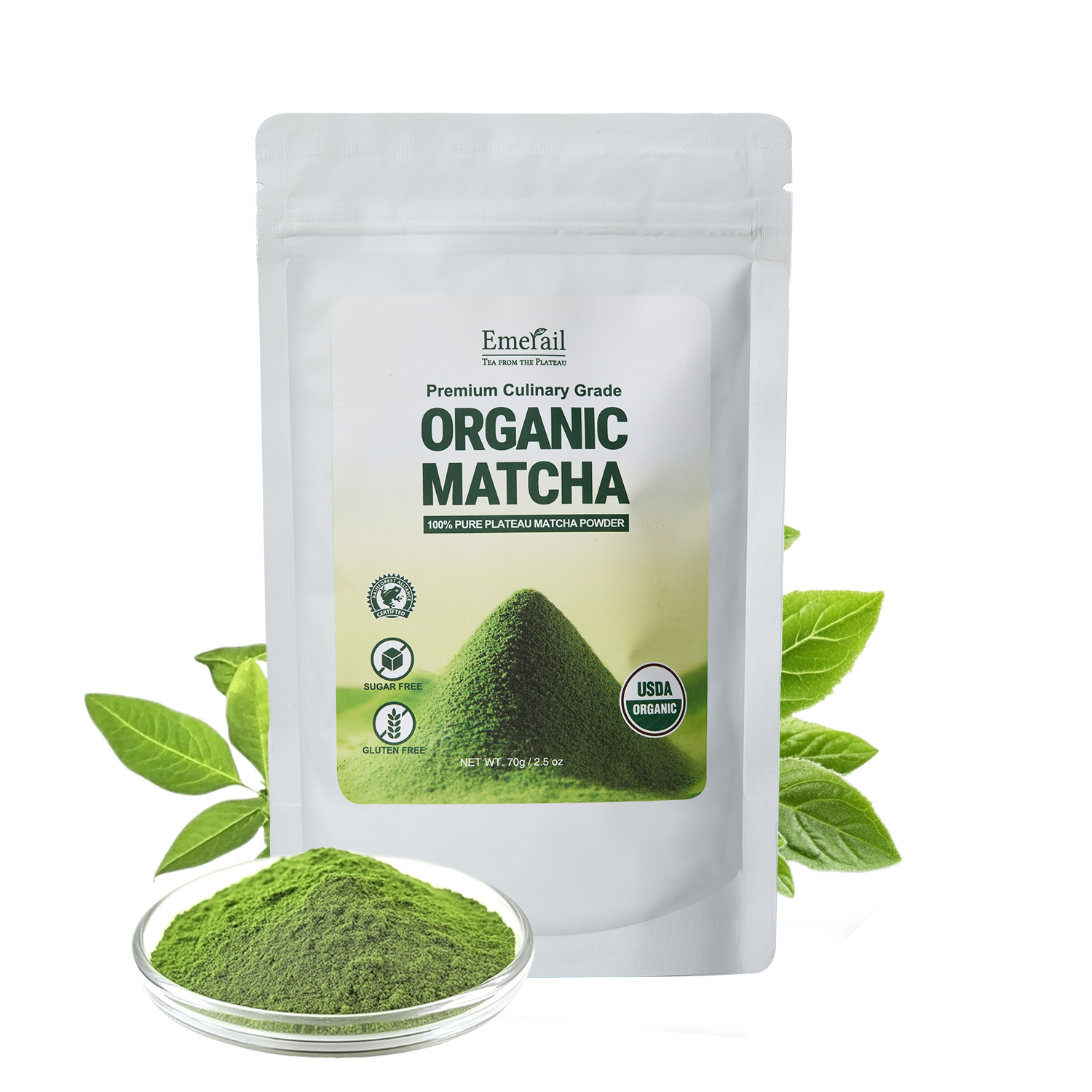
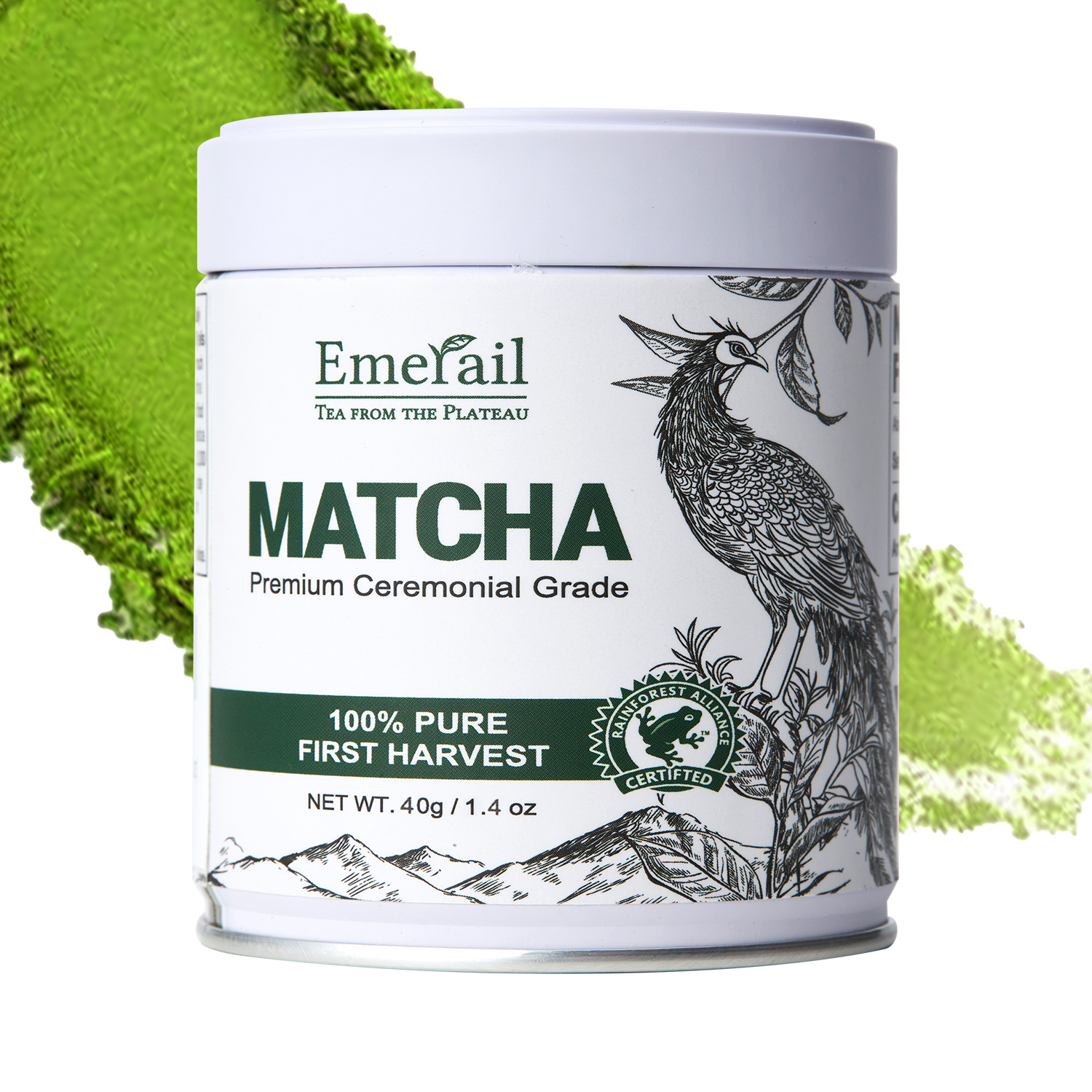
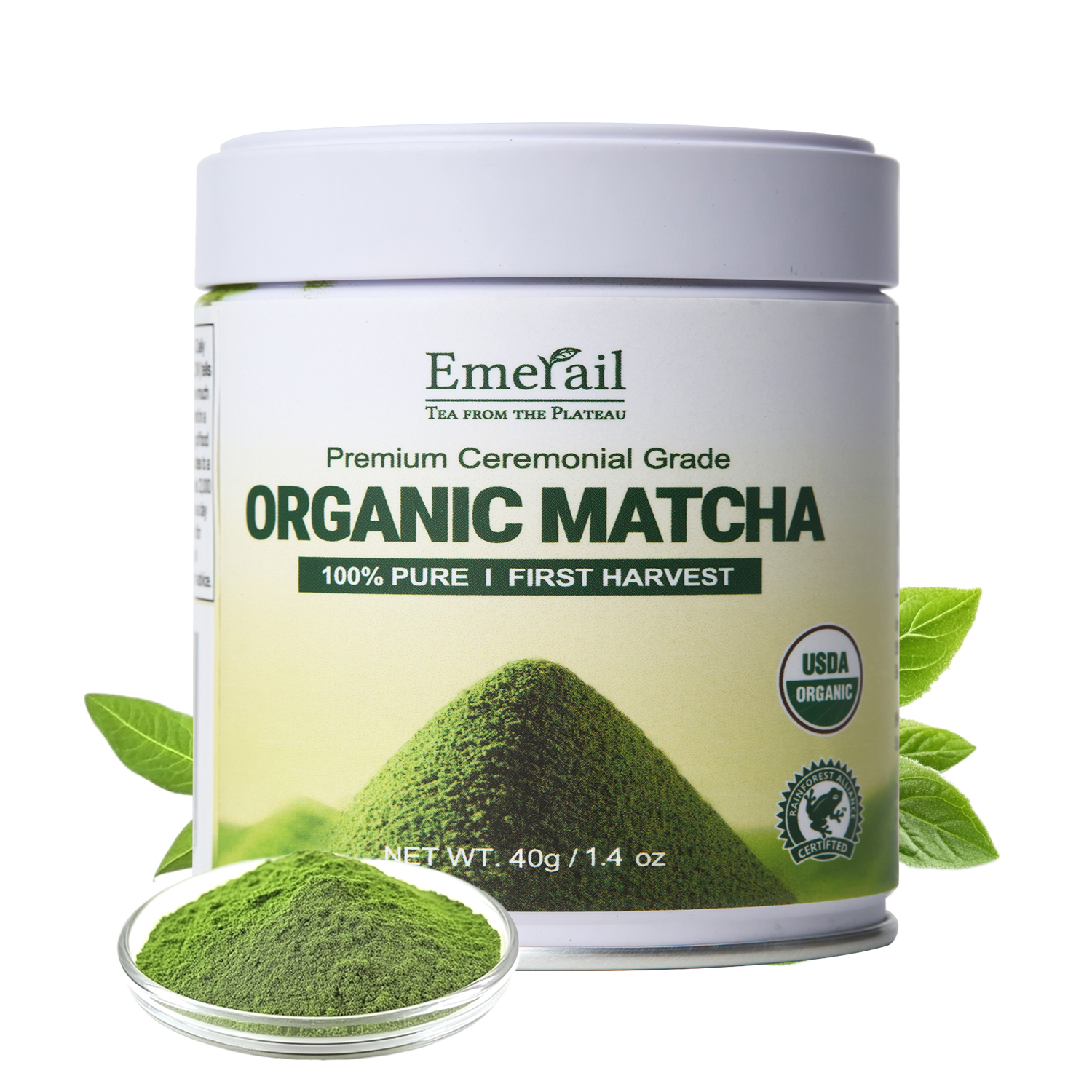
If provenance is important to you, consider matcha sourced from high-altitude, misty regions—for example, Emerail Plateau Matcha, grown on the cloud-kissed plateaus of Fanjing Mountain (Guizhou, China). Emerail emphasizes minimal chemical intervention and provides testing for international markets—an appealing option for buyers who want both flavor and traceability.