
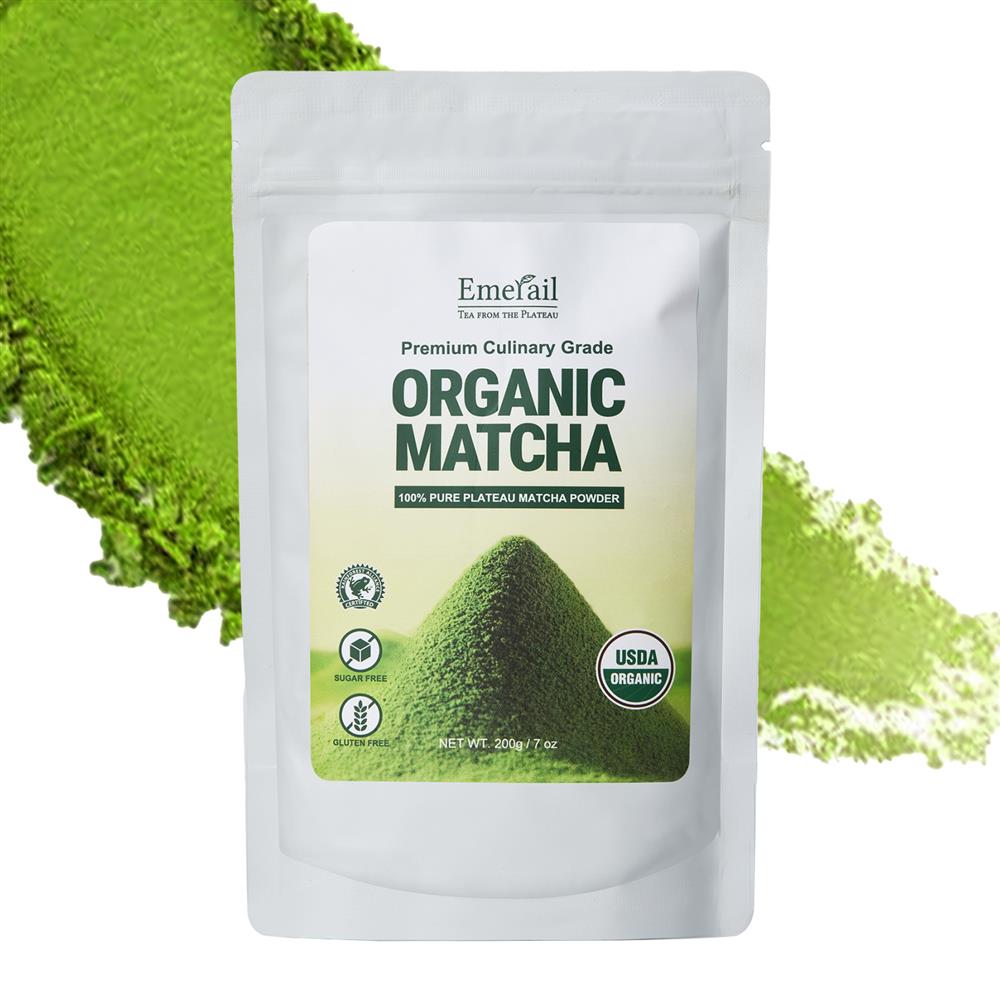
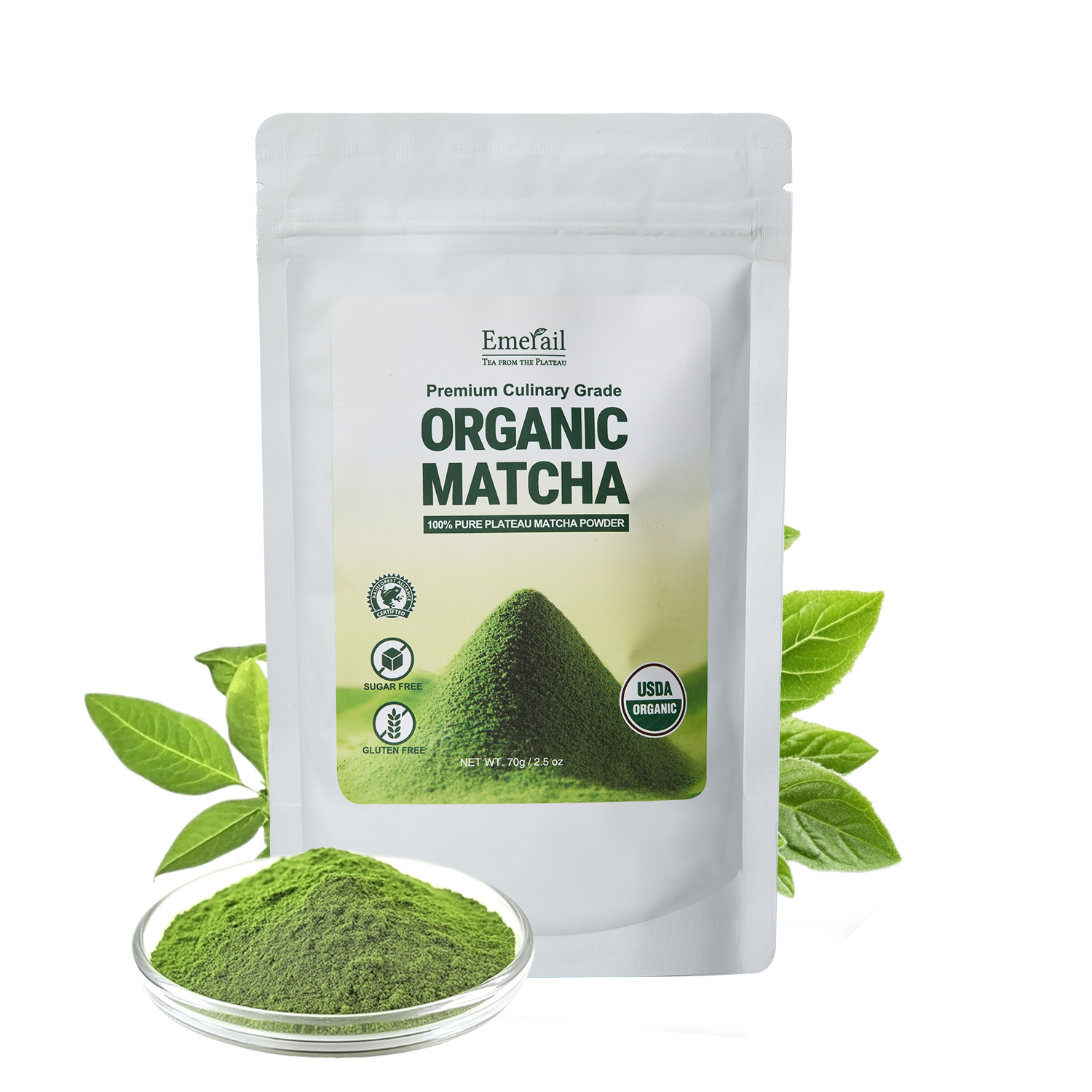
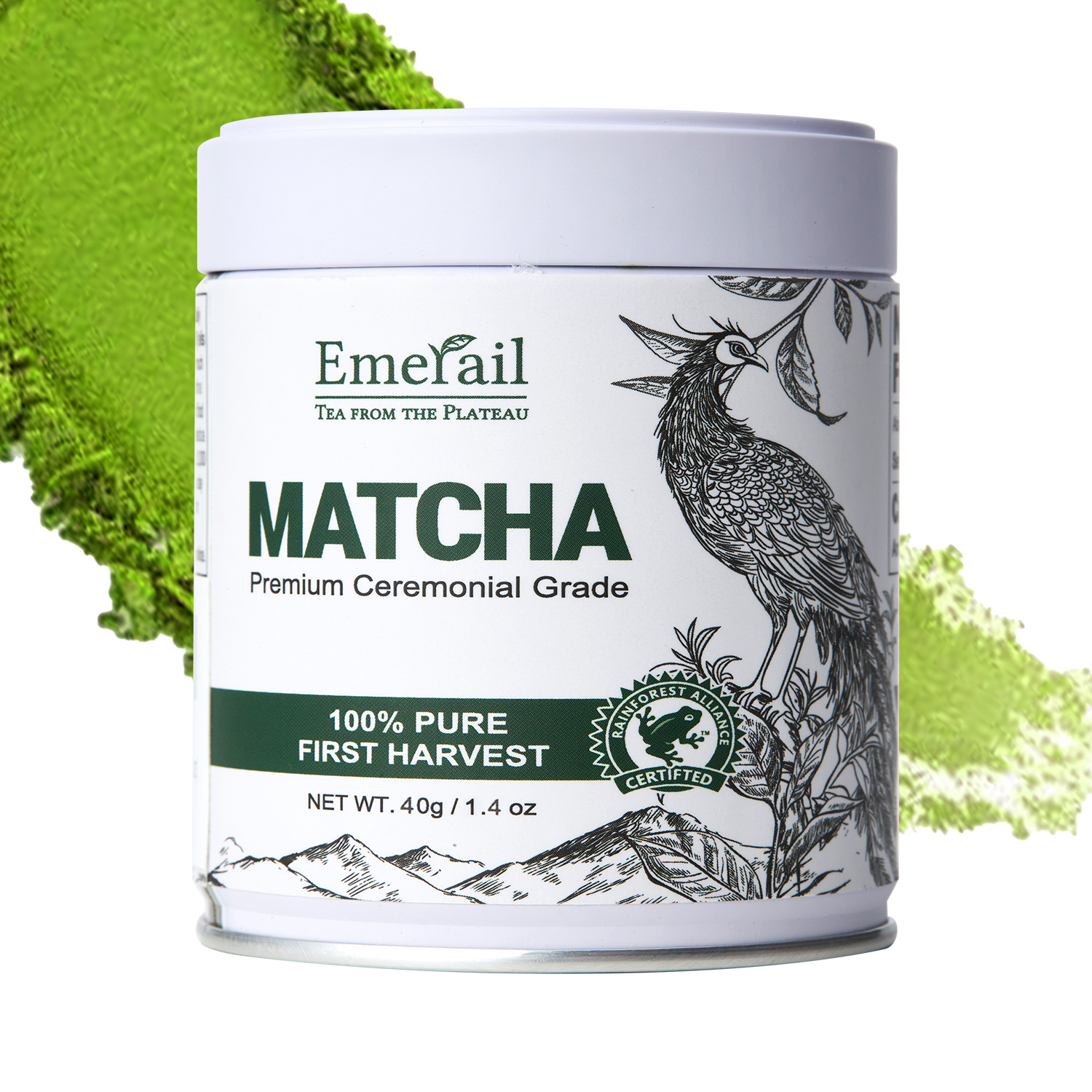
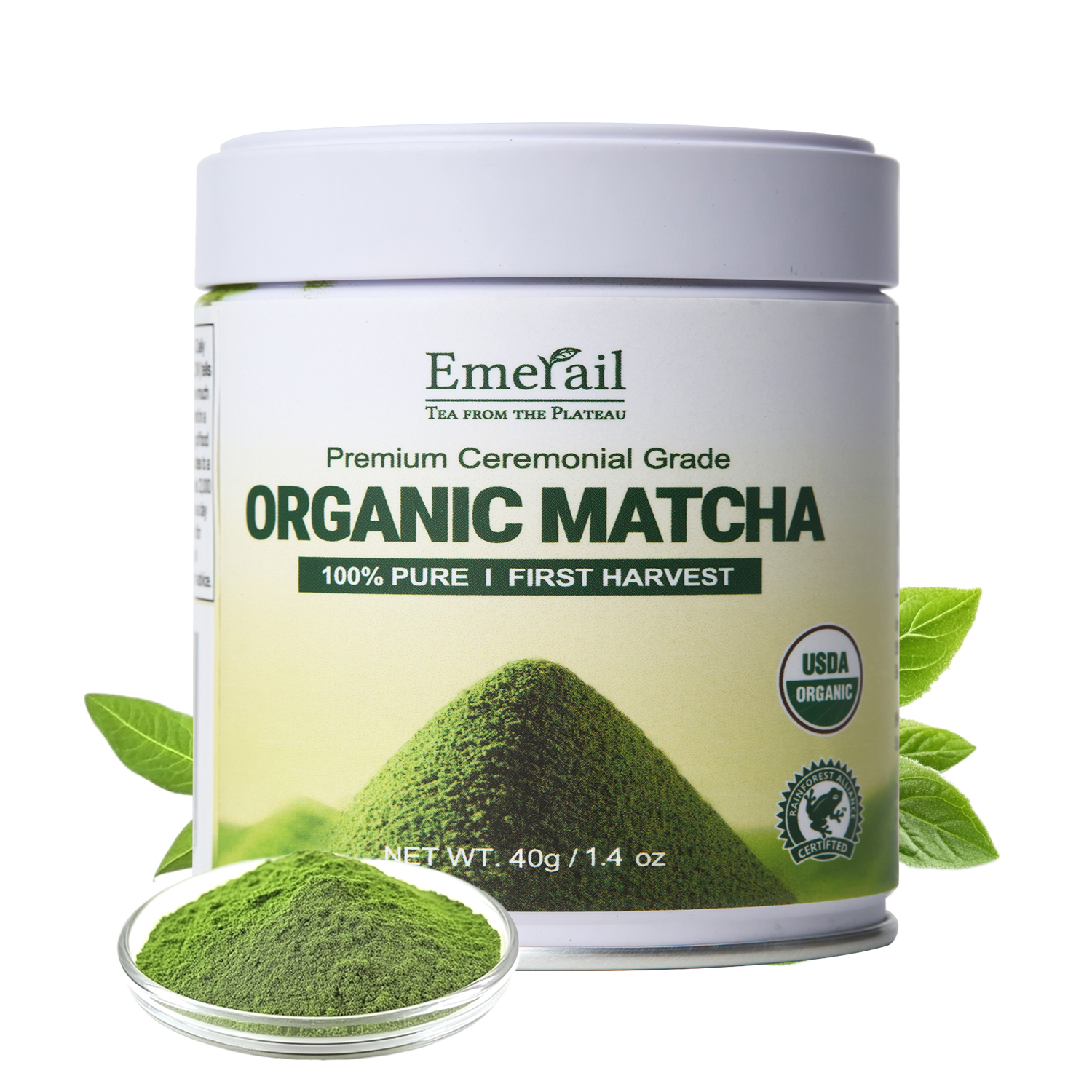
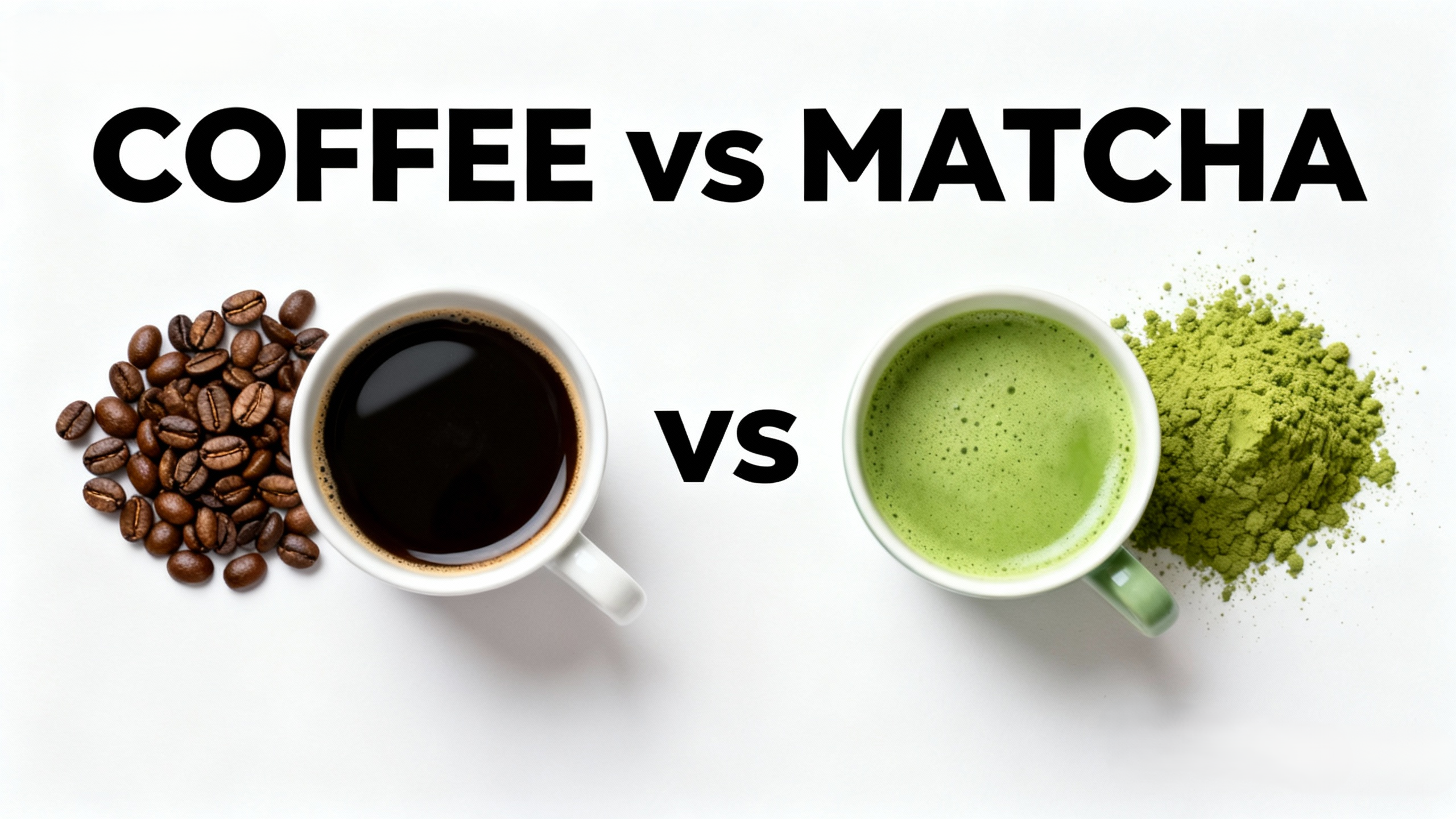
Feeling that 3 PM slump and reaching for another cup of coffee? You're not alone. But what if there was a better way to get your energy fix—one that doesn't leave you jittery and crashing hours later?
I've been on both sides of this. As a former chronic coffee drinker, I've experienced the shaky hands and the dreaded afternoon crash. Then I discovered matcha, and it completely changed my relationship with caffeine.
So, let's break down the real difference between matcha and coffee when it comes to energy. It's not just about caffeine content; it's about how your body receives it.
The Short Answer: Sustained Energy vs. A Quick Spike
Think of it this way:
- Coffee is like a rocket launch: intense, powerful, but it burns out fast.
- Matcha is like setting a steady cruise control: you get a smooth, focused lift that lasts for hours.
The "why" comes down to biology. Let's look under the hood.
The Science of The Crash: Why They Feel So Different
Both contain caffeine, but the experience is night and day because of three key factors.
1. The Caffeine Release Mechanism
This is the biggest game-changer.
In coffee, the caffeine is "free," hitting your bloodstream fast and hard. This causes a sharp spike in energy (and often, anxiety) followed by a steep drop.
In matcha, the caffeine is bound to antioxidants, specifically catechins. Your body has to break these down, leading to a slower, more gradual release of caffeine over 3-6 hours.
2. The L-Theanine Effect (Matcha's Secret Weapon)
Matcha is rich in L-Theanine, a rare amino acid that promotes relaxation without drowsiness. L-Theanine works synergistically with caffeine.
The Result: You get a state of "calm alertness." The L-Theanine smooths out the caffeine's edges, reducing jitters and anxiety while improving focus. It's like your brain gets the energy without the panic button being pressed.
3. Impact on Your Adrenals and Acidity
Coffee's rapid-fire caffeine jolt can put a strain on your adrenal glands over time, leading to that wired-and-tired feeling. It's also highly acidic, which can bother some people's stomachs.
Matcha's gentle release is far less stressful on your body's systems. It's also alkalizing, making it a gentler choice for your gut.
The Head-to-Head Breakdown
|
Factor |
Matcha |
Coffee |
|
Caffeine Release |
Slow & steady (3-6 hours) |
Fast & sharp (1-3 hours) |
|
The "Crash" |
Minimal to none |
Common & pronounced |
|
Jitters & Anxiety |
Greatly reduced by L-Theanine |
Much more likely |
|
Focus & Clarity |
High ("calm alertness") |
Can be scattered with racing thoughts |
|
Stomach Acidity |
Low (alkalizing) |
High (can cause upset) |
|
Antioxidant Level |
Extremely high (ORAC score) |
Good, but less than matcha |
So, Which One Should You Choose?
The winner isn't the same for everyone. It depends on your goals.
Choose MATCHA if you:
- Hate the caffeine jitters and crash.
- Need sustained, focused energy for work or study.
- Are prone to anxiety or a sensitive stomach.
- Want a productivity boost without the side effects.
- Are looking for a potent antioxidant boost.
Choose COFFEE if you:
- Love the ritual and taste.
- Need an immediate, powerful wake-up call (like before an early workout).
- Don't experience negative side effects like jitters or stomach issues.
Your Matcha vs. Coffee Questions, Answered
Q: Does matcha have more caffeine than coffee?
A: By weight, yes. But by serving, no. A typical cup of matcha (1 gram or 1/2 tsp) has about 70mg of caffeine, while a cup of coffee has 95-100mg. The experience is different due to the slow release.
Q: Can I drink matcha if I'm sensitive to caffeine?
A: Yes, many people who are sensitive to coffee find they tolerate matcha well. Start with a half teaspoon and see how you feel. The L-Theanine really makes a difference.
Q: I love coffee. Should I switch completely?
A: Not necessarily! This isn't about declaring one "bad." It's about using the right tool for the job. Many people (myself included) enjoy both. I might have a matcha latte for a focused work morning and an espresso for a special treat.
(Internal Link Suggestion: If you're new to matcha, link to your "10 Easy Matcha Recipes for Beginners" here)
Q: Is the energy from matcha just psychological?
A: Definitely not. The slow-release caffeine and the proven neuro-effects of L-Theanine are well-documented. It's a real, physical effect.
The Final Verdict on Better Energy
If we're judging purely on the quality of energy—steady, clean, and focused—then matcha is the clear winner.
Making the switch transformed my afternoons from a foggy struggle into productive, calm hours. I no longer ride the energy rollercoaster.
The best part? You don't have to take my word for it. The easiest way to see the difference is to try it yourself. Whip up a simple matcha latte tomorrow morning and feel how your body responds.
When it comes to clean, sustained energy without the crash, matcha provides a better energy boost than coffee every time. If you're new to matcha, we've got you covered with 10 super easy matcha recipes to get you started.