
Why Going Organic Matters: The Hidden Benefits of Pure Matcha Powder
In the modern grocery aisle, the word 'Organic' has become a ubiquitous buzzword. We see it on everything from avocados to zucchini. Sometimes, it feels like a marketing tax—a way to charge 30% more for a product that looks and tastes exactly the same as its conventional counterpart.
But when it comes to tea—and specifically Matcha—the distinction between Organic and Conventional is not just a preference; it is a critical health safety measure. This isn't about being trendy; it is about biology and mechanics.
Unlike coffee beans (which are roasted at high heat) or bananas (which have a thick protective peel), tea leaves are delicate and exposed. And unlike steeped tea bags, where you throw the leaf away, drinking matcha means you are consuming the leaf itself. If you are drinking conventional matcha, you might be drinking a concentrated dose of chemicals. In this guide, we explore why Organic Matcha Green Tea is the only logical choice for your body, and the explosive health benefits that come from choosing pure, pesticide-free powder.
The "Whole Leaf" Difference: Infusion vs. Suspension
To understand the organic imperative, we must look at the mechanics of how we consume tea. There are two methods: Infusion and Suspension.
- Infusion (Regular Green Tea):
When you dip a tea bag into hot water, you are creating an infusion. The water washes over the leaves, extracting flavor and some soluble compounds. But the majority of the leaf matter—the fiber, the structure, and anything insoluble attached to it—stays in the bag and goes in the trash. You are drinking the 'bathwater' of the leaf.
- Suspension (Matcha):
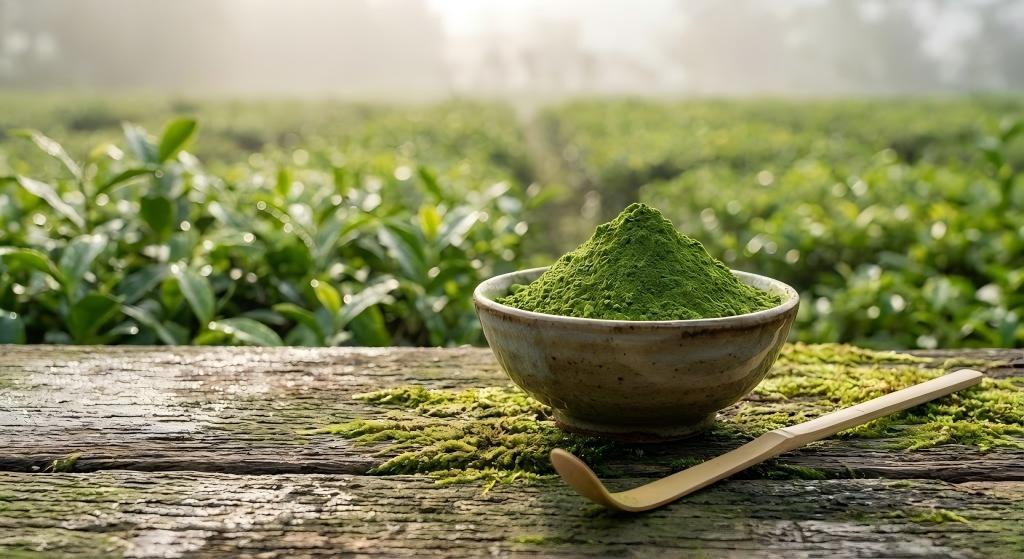
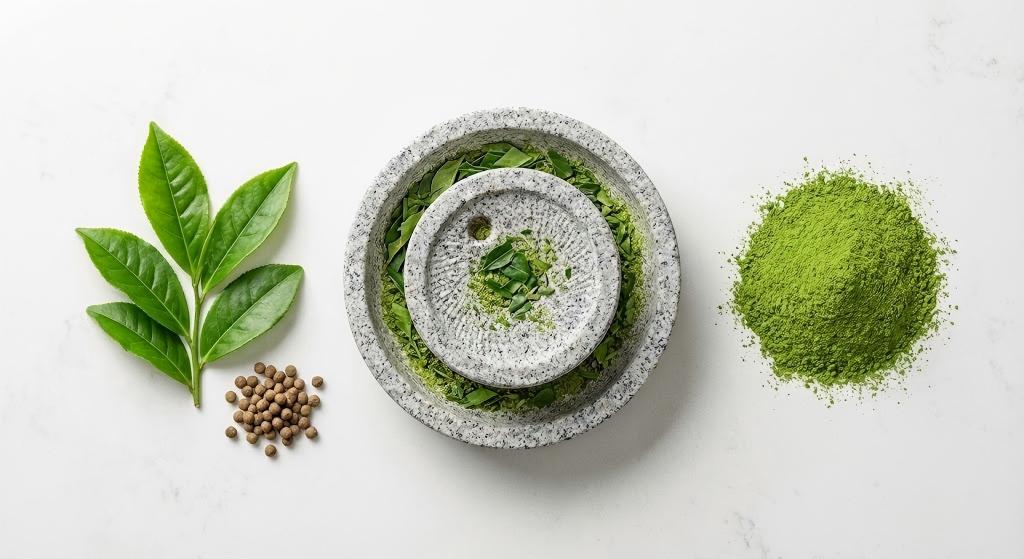
With Pure Matcha Powder, the process is radically different. The leaves are ground into a microscopic powder. When you whisk this into water, you are creating a suspension. You are drinking 100% of the leaf. You are eating the plant.
This creates a massive amplification effect. Scientists estimate that with matcha, you absorb 137 times more antioxidants than regular green tea. But this multiplier applies to everything. If that leaf was coated in synthetic pesticides, you are absorbing a concentrated dose of those toxins. There is no filter. There is no 'washing it off'. You are the filter.
The Invisible Risk: Pesticides in Conventional Tea Farming
Tea (Camellia Sinensis) is a crop that naturally attracts pests. In conventional farming, large-scale industrial producers fight this by spraying the fields with heavy chemical pesticides, herbicides, and synthetic fertilizers to maximize yield and speed up growth.
The problem? Tea leaves are never washed before processing. Washing them would oxidize the leaf and ruin the flavor. So, whatever is sprayed on the leaf in the field stays on the leaf during drying, grinding, and packaging.
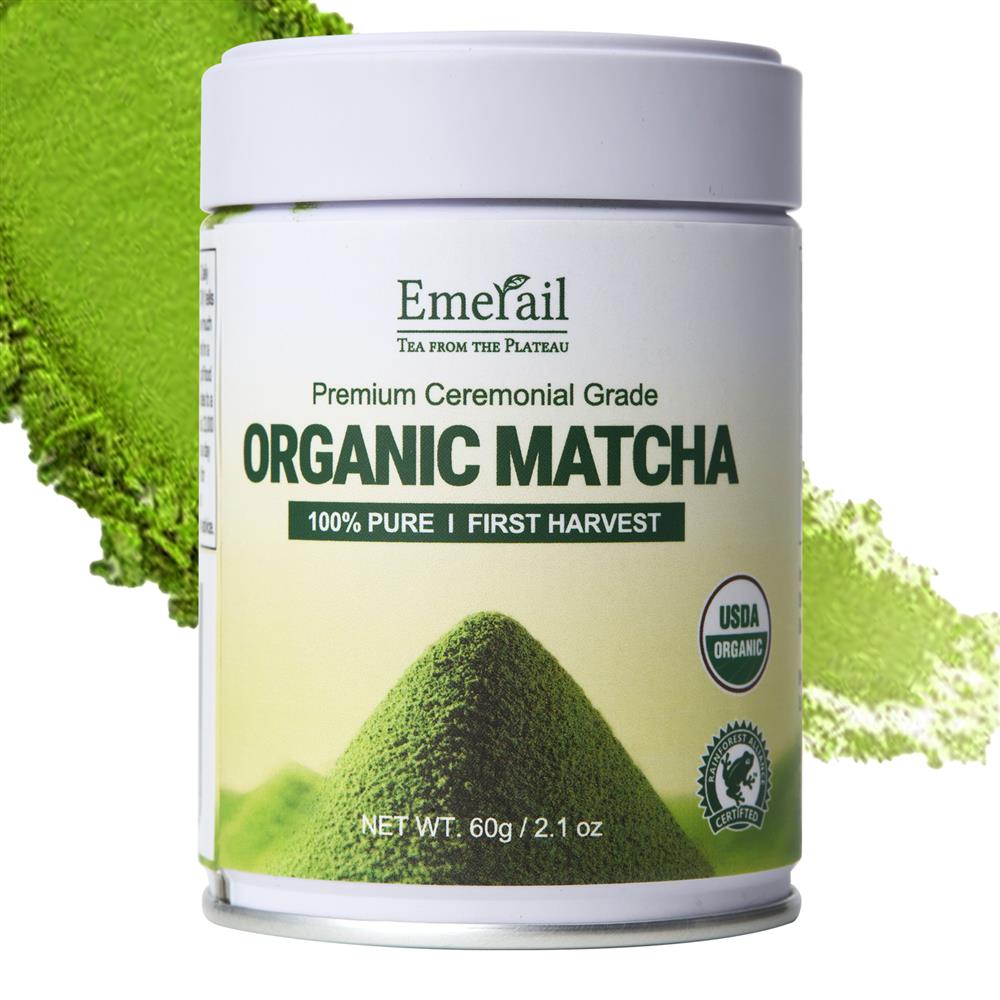
While conventional farming still allows for a list of chemical agents, the pristine environment of Guizhou's high-altitude plateau allows us to farm differently. By choosing Certified Organic Matcha, you are ensuring that the soil was treated with natural compost, the pests were managed via natural ecosystem balance (like ladybugs), and the powder in your cup is free from synthetic neurotoxins.
The Nutritional Powerhouse: What's Inside Pure Matcha?
Once you strip away the chemicals, what is left? A nutritional profile that rivals any superfood on the planet. Here is a deep dive into the bioactive compounds found in high-quality organic matcha.
1. EGCG: The Master Antioxidant
Matcha is the most potent natural source of **Epigallocatechin Gallate (EGCG)**. This is a specific type of catechin (antioxidant) known for its ability to fight free radicals—unstable molecules that damage cells, cause aging, and lead to chronic disease. Studies have linked EGCG to reduced inflammation, improved heart health, and even potential anti-cancer properties. One cup of our Premium Matcha contains as much EGCG as 10 cups of regular brewed green tea.
2. L-Theanine: The "Zen" Amino Acid
Ever wonder why Buddhist monks drank matcha before hours of meditation? It wasn't just for the caffeine; it was for the L-Theanine. This rare amino acid promotes alpha brain wave activity, which induces a state of deep relaxation and mental clarity without drowsiness.
When combined with caffeine, L-Theanine creates a 'synergistic effect'—it smooths out the adrenaline spike. You get the energy of coffee, but without the jitters, anxiety, or afternoon crash. It is clean, sustained focus that lasts for 4-6 hours.
3. Chlorophyll: The Heavy Metal Magnet
The shading process that gives our Ceremonial Grade Matcha its vibrant electric green color also boosts chlorophyll production. Chlorophyll is a powerful detoxifier. In the digestive tract, it has the ability to bind to heavy metals (like mercury and lead) and other toxins, helping to flush them out of your system naturally. It is literally a green cleanser for your blood.
Comparison: Organic vs. Conventional Matcha
A side-by-side look at what you are buying.
|
Feature |
Organic Matcha (Emerail) |
Conventional Matcha |
|
Farming Method |
Natural Compost, Eco-friendly |
Synthetic Fertilizers (Nitrogen) |
|
Pest Control |
Natural Predators / Manual |
Chemical Pesticides |
|
Residue Risk |
Zero |
Moderate to High |
|
Taste Profile |
Clean, Light, Smooth |
Strong, Bold, sometimes Metallic |
|
Purity |
100% Leaf, Zero Additives |
Trace Chemical Residue Possible |
|
Color |
Natural Emerald Green |
Often artificially enhanced or dull |
|
Certification |
USDA Organic Certified |
None |
Beware of the "Sweetened" Trap
Another reason to seek out 'Pure' matcha powder is to avoid hidden sugars and fillers. Many products sold as 'Green Tea Latte Mix' in supermarkets are actually 60% sugar, 30% milk powder, and only 10% low-grade matcha dust.
If the first ingredient on the label is Cane Sugar or Corn Syrup Solids, it is not a health food; it is a dessert. These products spike your insulin and lead to an energy crash, negating the benefits of the tea. At Emerail, our Unsweetened Matcha Powder contains exactly one ingredient: 100% Organic Green Tea from Guizhou, China.. This gives you complete control. If you want it sweet, you can add a touch of honey or stevia yourself, but you aren't forced to drink empty calories.
Can Matcha Help You Lose Weight? The Science of Thermogenesis
Yes, but it is not magic. It is biology. The combination of caffeine and catechins has been shown to increase Thermogenesis—the body's rate of burning calories.
A study published in the American Journal of Clinical Nutrition found that consuming high-catechin green tea increased thermogenesis from 8-10% to 35-43% of daily energy expenditure. Furthermore, consuming matcha before a workout can increase fat oxidation (burning fat for fuel) by up to 17%.
By switching your pre-workout sugary energy drink for a pure matcha shot, you are fueling your body with clean energy and boosting your metabolic rate simultaneously. Explore our Healthy Matcha Collection to find your workout partner.
FAQ: Health & Safety
Q: Is organic matcha healthier?
A: Yes. Because you consume the entire leaf rather than just steeping it, avoiding pesticides is crucial. Organic farming ensures you are not ingesting synthetic chemicals along with your antioxidants, making it the safer choice for daily consumption.
Q: Does matcha detox your body?
A: Yes. The high levels of Chlorophyll in Shade-Grown Matcha act as a natural chelating agent. It aids in detoxification by binding to heavy metals and toxins in the body, helping to eliminate them through digestion.
Q: What are the side effects of drinking matcha everyday?
A: Generally, it is very safe and beneficial. However, because it contains caffeine (about 35-70mg per cup), drinking too much (5+ cups) can cause headaches, jitteriness, or insomnia in sensitive individuals. Also, due to its high tannin content, drinking it on an empty stomach might cause mild nausea for some beginners. We recommend having it after breakfast.
Q: Is matcha safe during pregnancy?
A: Most doctors agree that moderate caffeine intake (under 200mg) is safe, which equates to 1-2 cups of matcha. However, always consult your physician first. Choosing Organic is especially important during pregnancy to avoid chemical exposure.
Conclusion
Your body is a temple, and what you put into it matters. When you choose to drink matcha, you are choosing a ritual of health, focus, and longevity. Do not compromise that ritual with pesticides, heavy metals, or cheap sugar fillers.
Going organic is not just about a label or a trend; it is about respecting the tea, the earth, and your own body. It ensures that every sip brings you closer to nature, not further away.
Ready to detox your daily routine? Shop our certified Organic Matcha Collection and taste the pure difference today.