
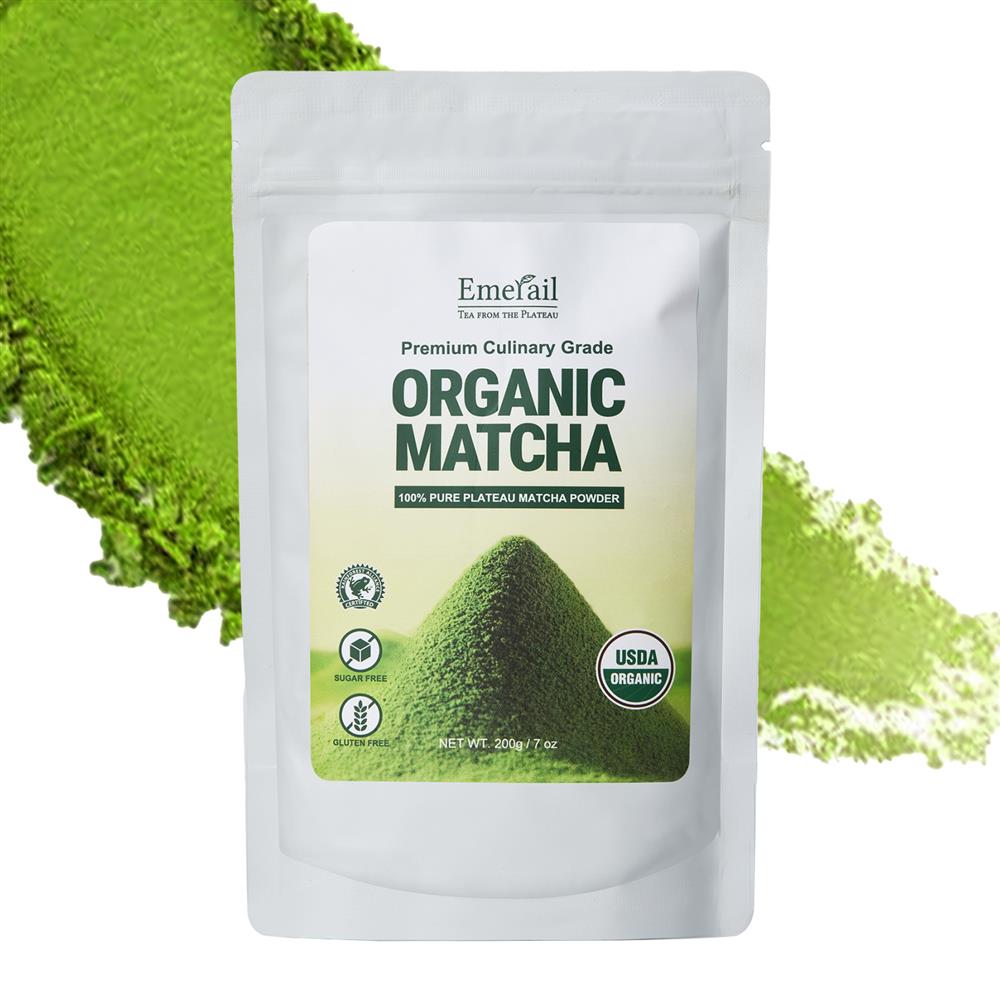
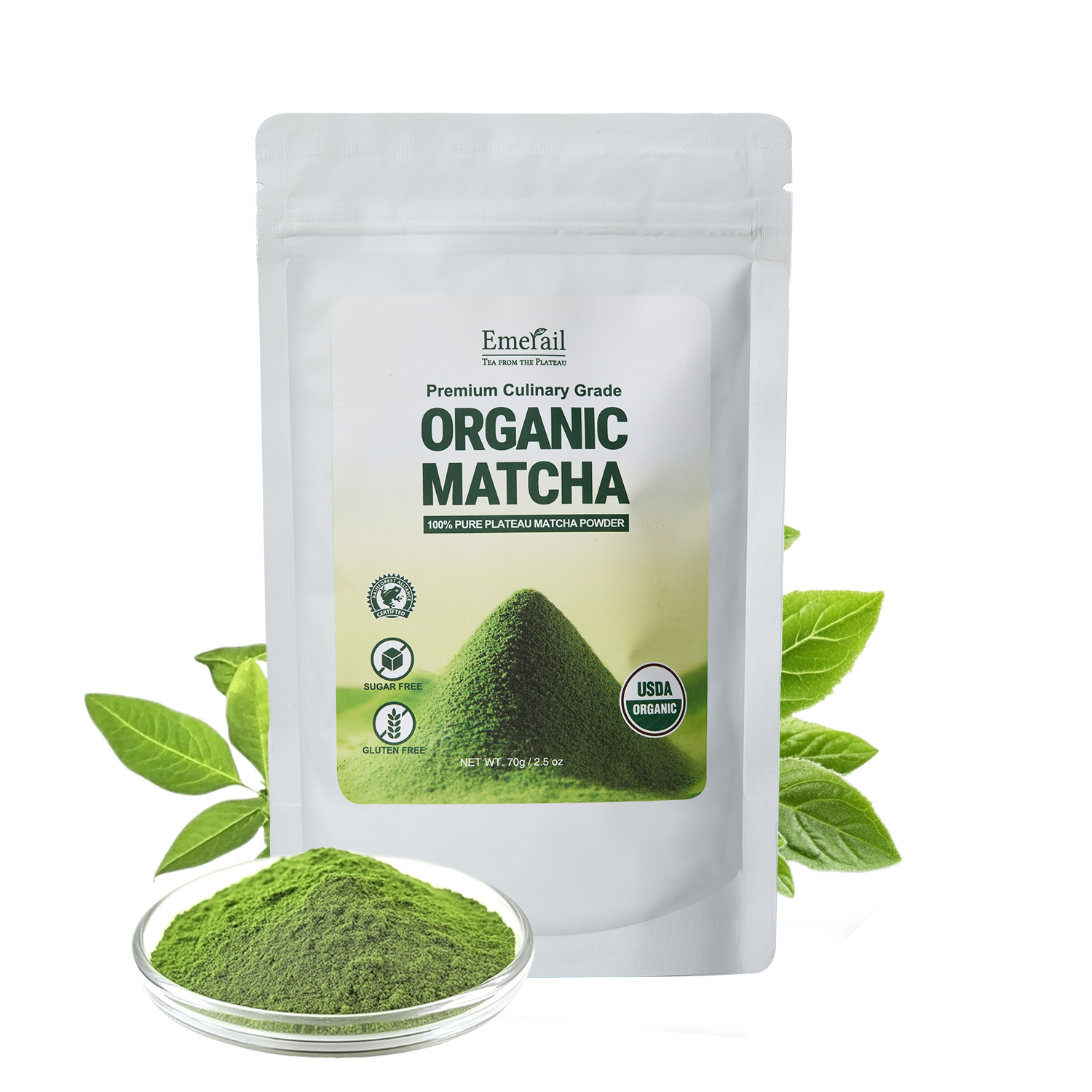
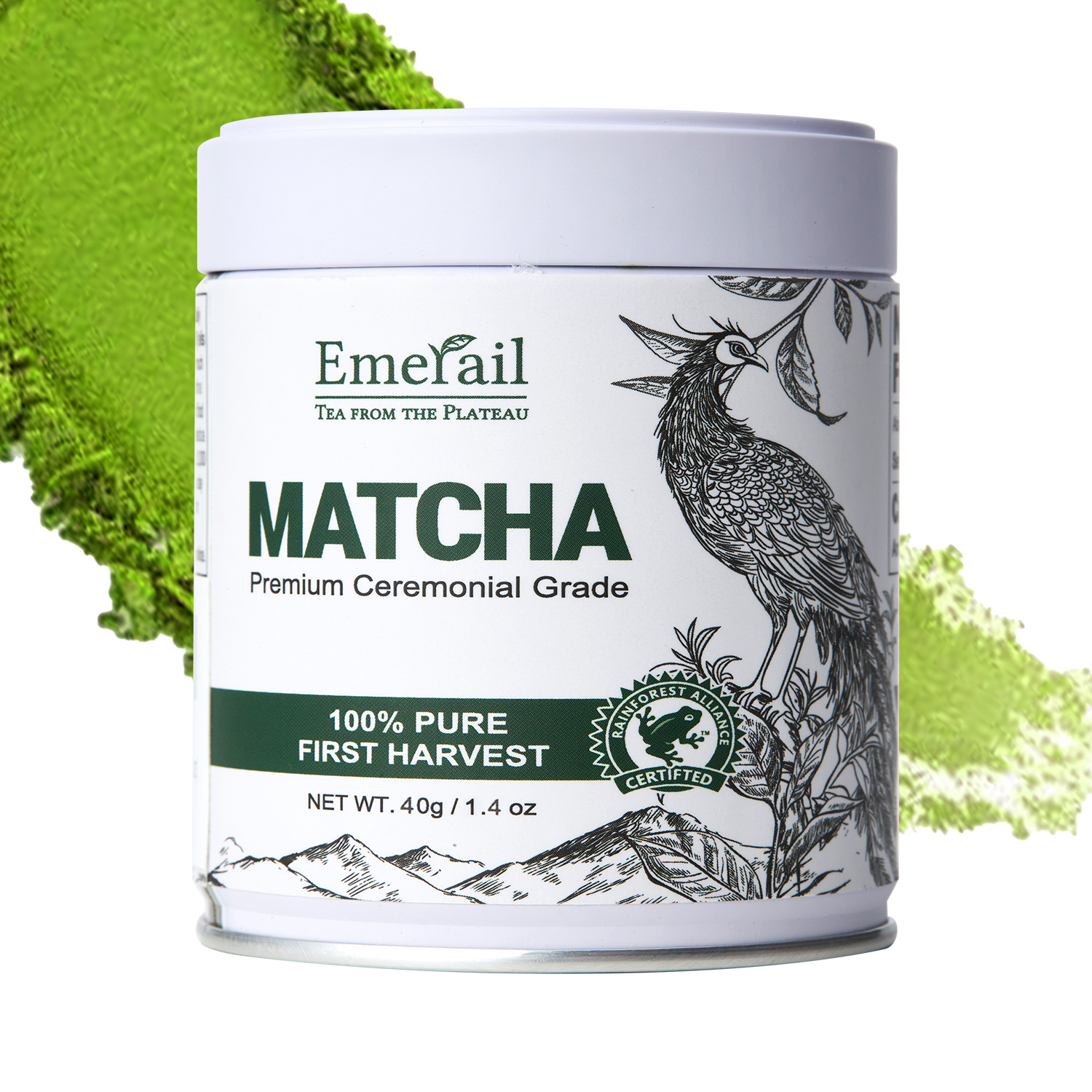
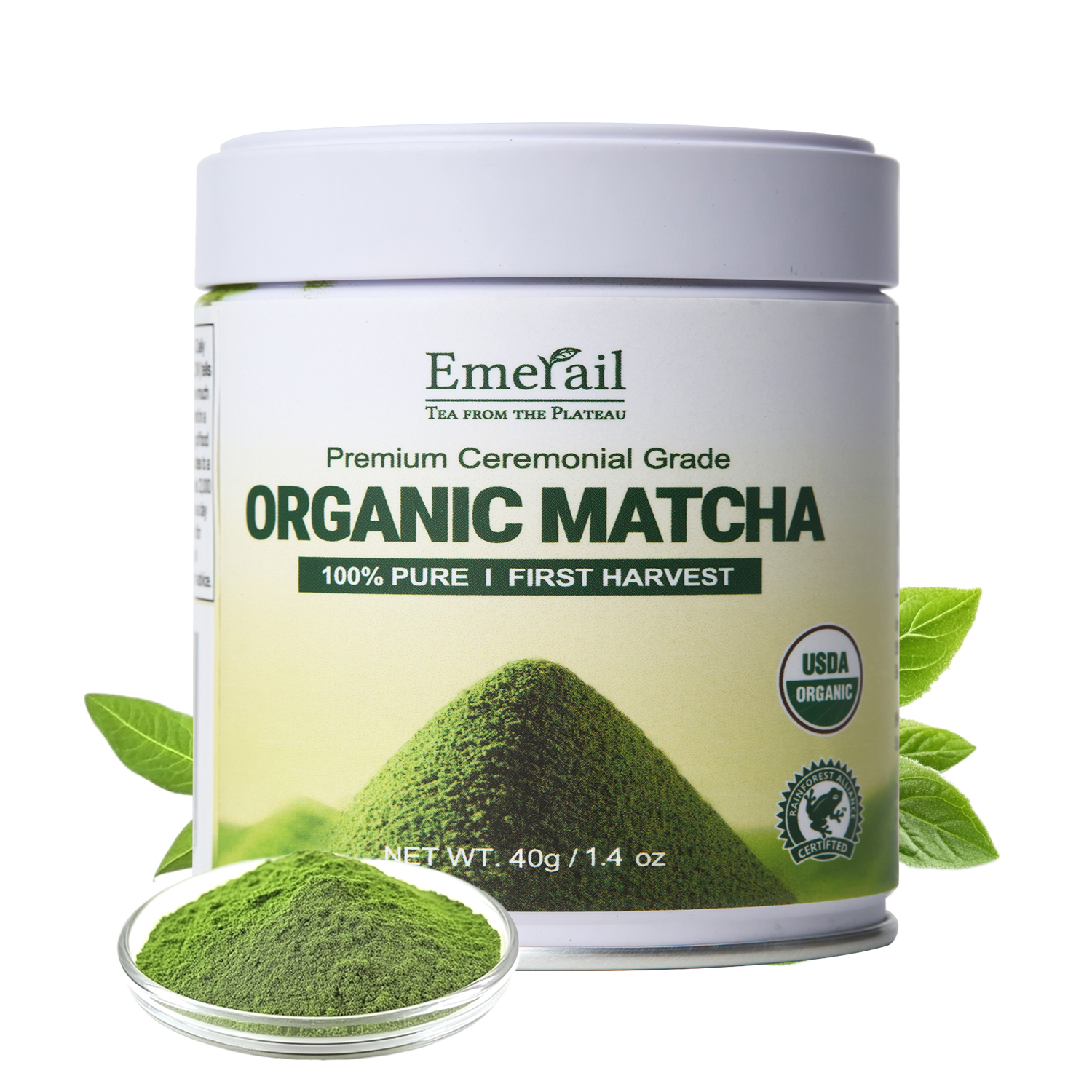
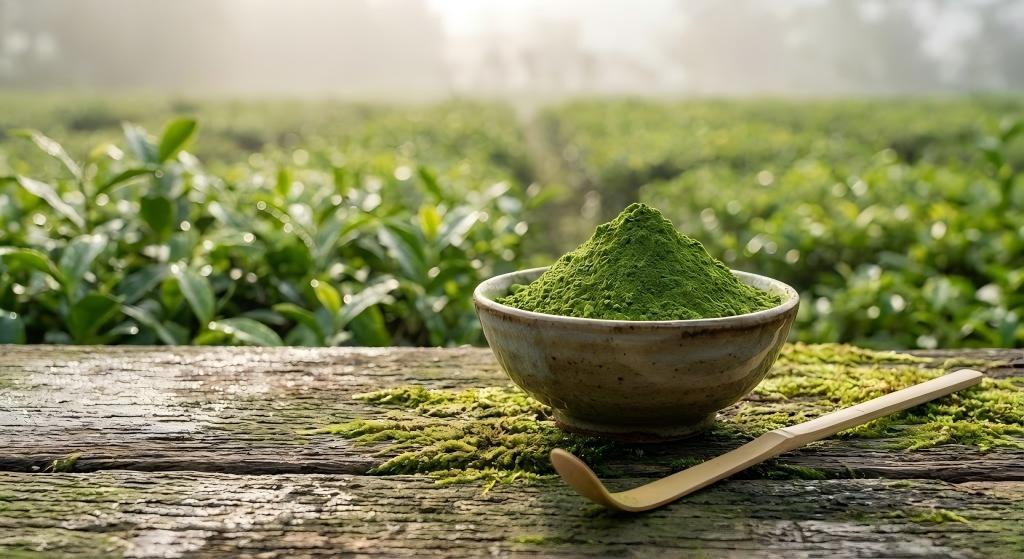
Matcha has become one of the most recognizable green tea powders in the world. From specialty cafés and wellness routines to home kitchens, matcha is now part of everyday life for people seeking a balanced alternative to coffee and traditional tea. Its bright green color, smooth texture, and versatility have helped it move beyond niche interest into mainstream use.
What many beginners do not realize is that matcha is no longer defined by a single country or historical narrative. Today, Guizhou, China has emerged as a key origin for high-quality matcha, valued for its clean environment, high elevations, and ideal natural conditions for tea cultivation.
This beginner’s guide explains what matcha is, how it differs from regular green tea, how it is made, and why Guizhou-grown matcha has become a trusted choice for daily use worldwide.
What Is Matcha?
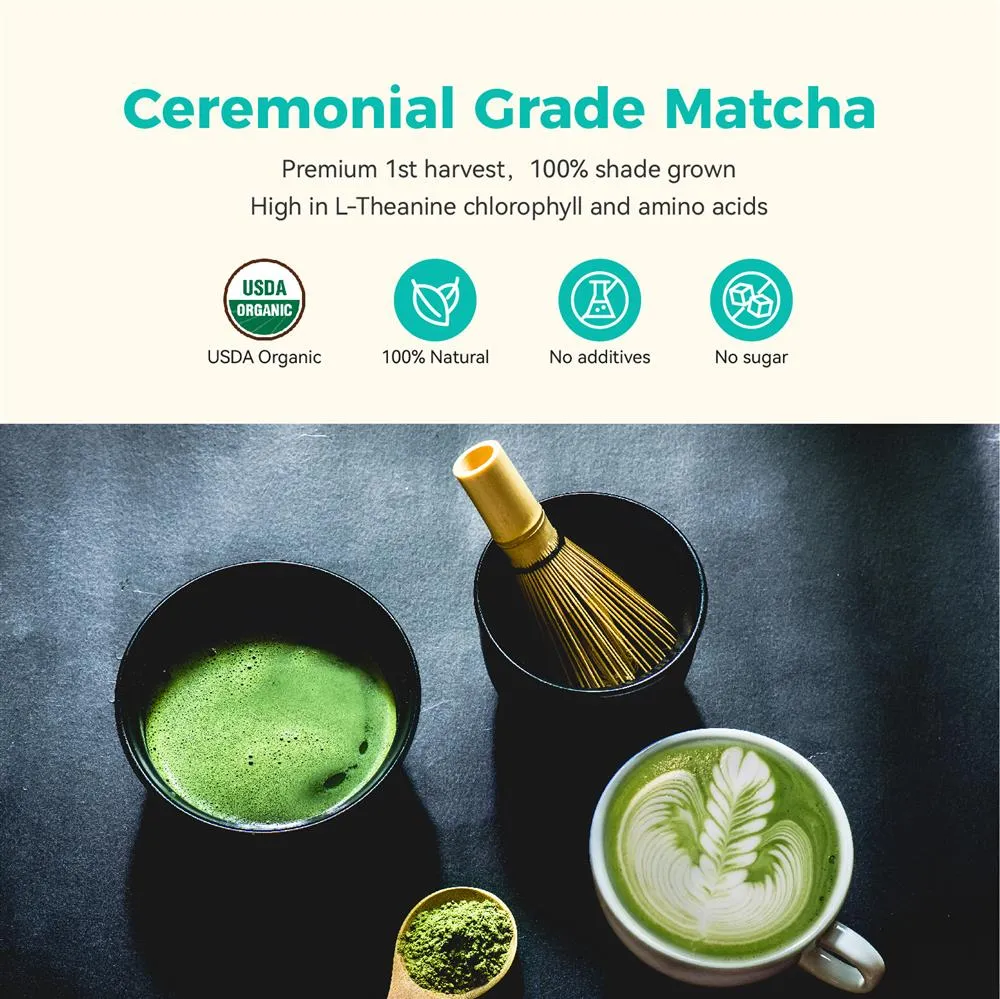
Matcha is a finely ground powder made from specially cultivated green tea leaves. Unlike loose-leaf green tea, where leaves are steeped in hot water and then discarded, matcha is consumed whole. The powder is whisked directly into water or milk, meaning the entire tea leaf becomes part of the drink.
This method of consumption creates a richer and more concentrated experience. Because nothing is filtered out, matcha delivers deeper flavor, a fuller mouthfeel, and a naturally vibrant green appearance.
Matcha produced in Guizhou, China is particularly known for its clean taste and smooth texture. Rather than relying on aggressive processing, its flavor is shaped by the region’s natural growing conditions and modern production standards.
How Matcha Is Different from Regular Green Tea
Although matcha and traditional green tea come from the same tea plant, the way they are prepared and experienced is very different.
With regular green tea, leaves are infused in water and then removed. This produces a light and refreshing beverage. Matcha, by contrast, keeps the entire leaf in the cup. As a result, the drink feels more substantial and layered.
Key differences include:
- Whole-leaf consumption instead of infusion
- Thicker texture and stronger aroma
- More concentrated flavor per serving
These differences explain why matcha is often described as more grounding than brewed green tea.
Why Origin Matters in Matcha

Matcha quality is heavily influenced by growing environment. Climate, elevation, soil, and air quality all affect the final taste, color, and texture of the powder.
Guizhou has become one of China’s most important regions for premium green tea and matcha production due to several natural advantages:
- High elevation, typically between 800 and 1200 meters
- Frequent cloud cover that naturally softens sunlight
- Clean air and low industrial pollution
- Stable rainfall and mild temperatures
These conditions allow tea plants to grow slowly and evenly. Slower growth often produces leaves with better balance, less harsh bitterness, and smoother flavor, which is especially important for matcha.
Instead of relying on historical imagery, Guizhou matcha emphasizes modern agriculture, food-grade safety, and consistency.
How Matcha Is Made
High-quality matcha follows a precise and carefully controlled production process. Each stage directly affects the final result.
Cultivation
Tea plants intended for matcha are grown under managed light conditions before harvest. In Guizhou, natural cloud cover and mountainous terrain help create suitable light levels without extreme intervention.
Harvesting
Only young, tender leaves are selected. These leaves are naturally smoother and better suited for fine grinding.
Steaming
Shortly after harvest, the leaves are gently steamed. This step stops oxidation and preserves color, aroma, and freshness.
Leaf Refinement
Stems and veins are removed, leaving only the most suitable leaf material.
Grinding
The refined leaves are slowly ground into a fine powder. Slow grinding helps maintain smooth texture and even flavor.
Skipping or rushing any of these steps often results in dull color, grainy texture, or excessive bitterness.
What Does Matcha Taste Like?
A common misconception is that matcha should taste bitter. In reality, bitterness usually indicates low-quality leaves or improper preparation.
High-quality Guizhou matcha typically tastes:
- Smooth and clean
- Lightly sweet
- Fresh and vegetal without harshness
When prepared correctly, matcha should feel balanced and easy to drink, even without milk or sweeteners.
Why Matcha Is So Popular Today
Matcha’s popularity comes from its balance of function and flexibility.
Calm, Steady Energy
Matcha contains caffeine alongside naturally occurring amino acids. Many people find that this combination provides energy that feels steadier and less abrupt than coffee.
Everyday Versatility
Matcha can be enjoyed in many forms:
- Prepared simply with water
- Mixed into lattes
- Added to smoothies, desserts, or recipes
Guizhou matcha is especially well suited for daily use because of its consistent flavor and smooth profile.
Matcha Grades Explained Simply
Matcha is commonly categorized by intended use rather than strict quality hierarchy.
Drinking-grade matcha is made from younger leaves and is designed to be enjoyed with water. It is smoother and more delicate.
Culinary-grade matcha has a stronger flavor and is designed to hold up when mixed with milk or other ingredients. It is ideal for lattes and baking.
Choosing the correct grade depends on how you plan to use matcha.
Is Matcha Healthy?
Matcha fits naturally into a balanced lifestyle when consumed in moderation.
Many people choose matcha because it:
- Supports focus and alertness
- Feels gentler than coffee
- Encourages mindful daily routines
Matcha is not a cure-all, but it is a clean, plant-based option for regular enjoyment.
How to Choose Matcha as a Beginner
Beginners should look for:
- Clear origin labeling indicating Guizhou, China
- Bright, natural green color
- 100 percent pure green tea powder
- Airtight, light-resistant packaging
Fresh matcha should smell clean and grassy, never dull or stale.
Common Beginner Questions (FAQ)
Is matcha stronger than coffee?
Matcha often contains less caffeine, but the energy tends to feel smoother and longer-lasting.
Can beginners drink matcha every day?
Yes. Many people do, starting with small amounts and adjusting as needed.
Why is high-quality matcha more expensive?
Careful cultivation, selective harvesting, and slow grinding increase both quality and cost.
Does matcha require milk or sugar?
High-quality matcha is smooth enough to enjoy without heavy sweetening.
Final Thoughts
Matcha is more than powdered green tea. It reflects growing conditions, careful processing, and modern quality standards.
With its clean environment and ideal climate, Guizhou, China has become a reliable origin for smooth, high-quality matcha suited to everyday life. For beginners, focusing on origin, freshness, and proper preparation is the simplest way to enjoy matcha with confidence.