
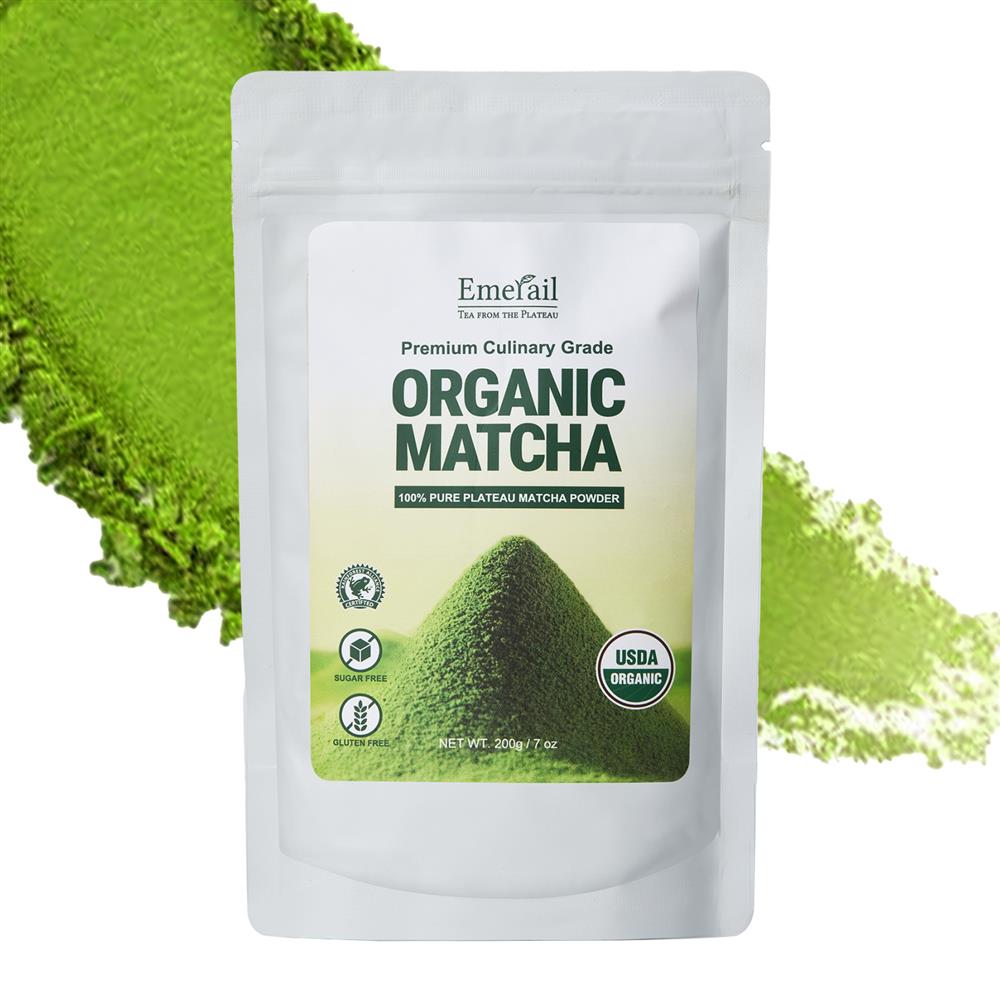
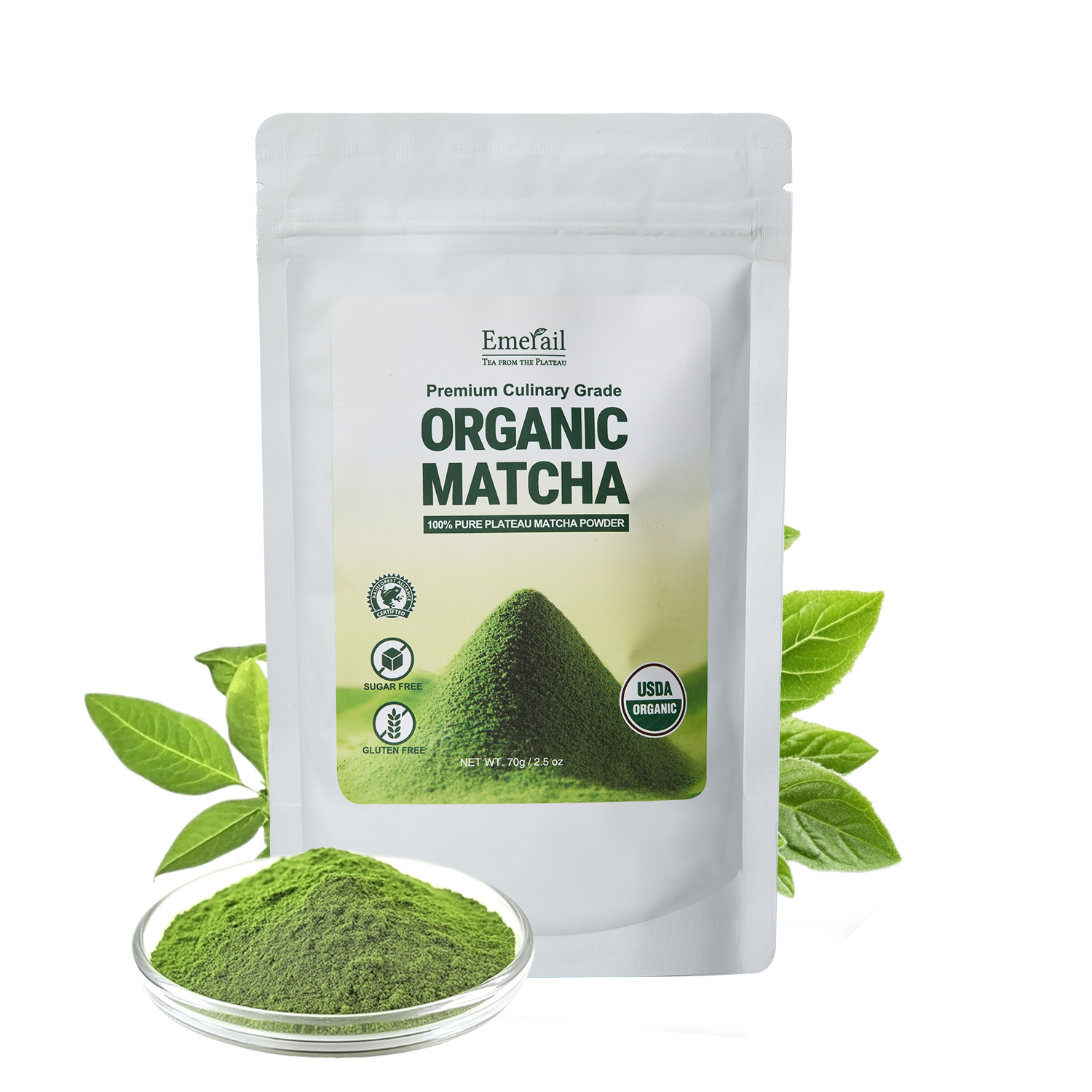
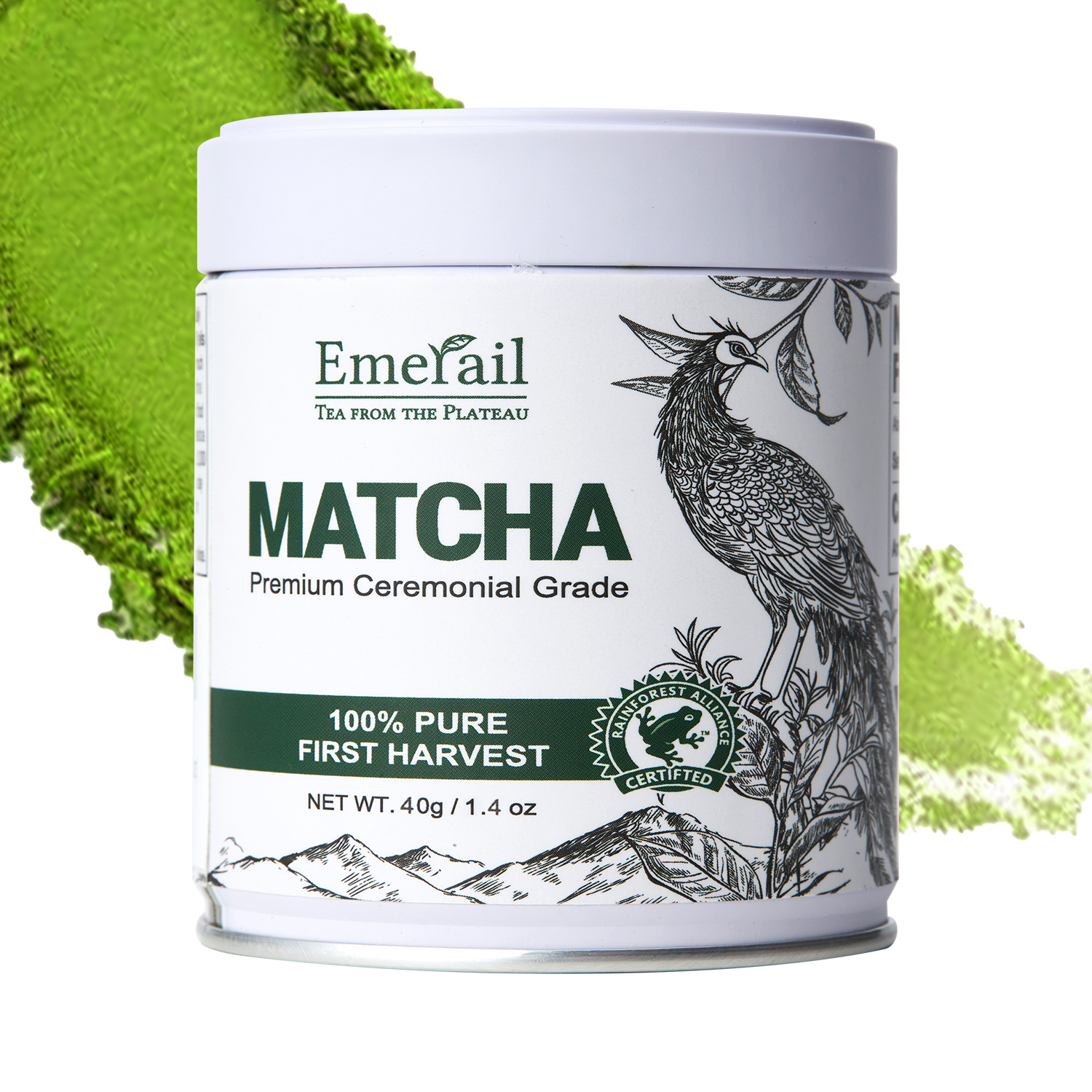
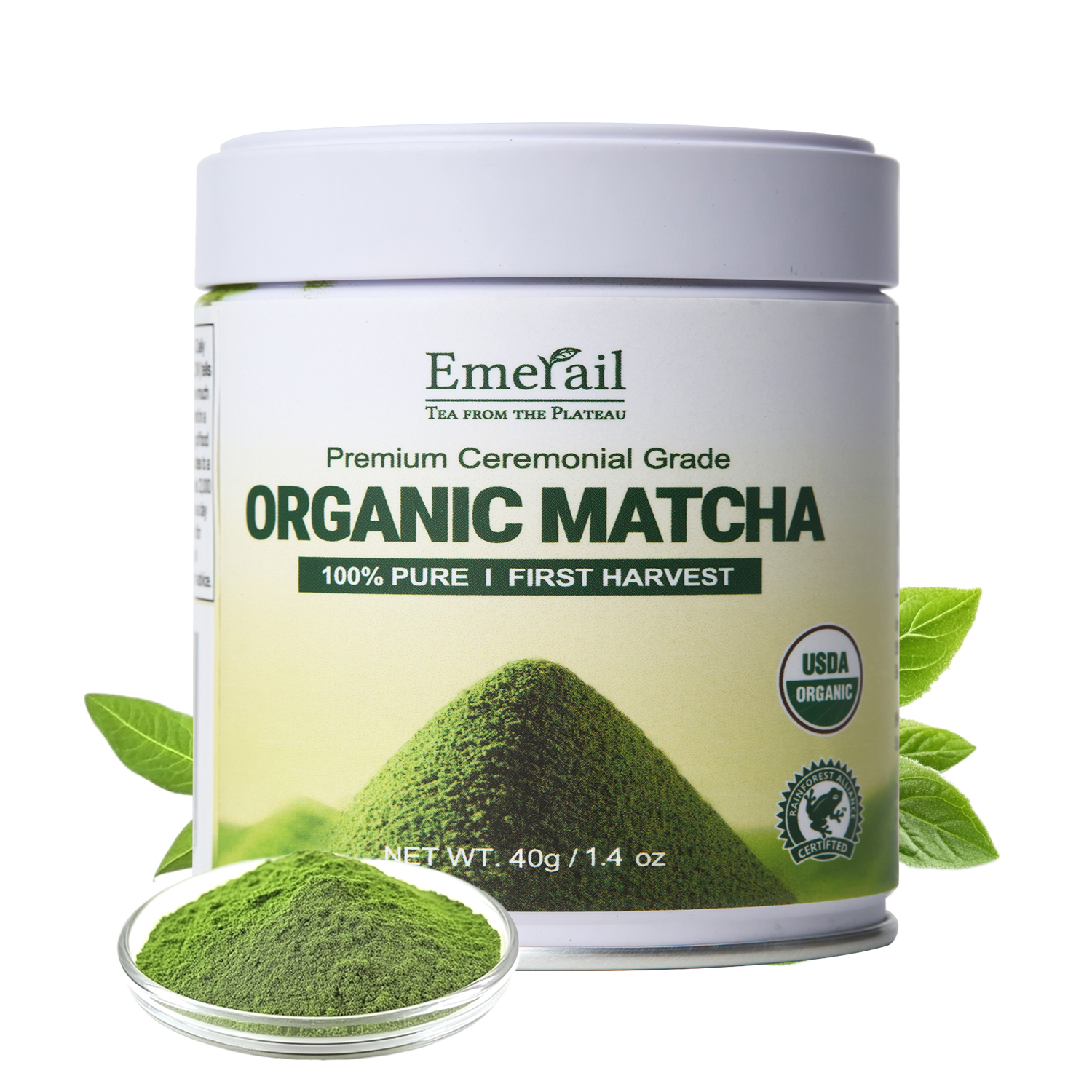
When the world thinks of 'Matcha,' the mind instinctively travels to a quiet tea room. This tradition has undoubtedly been excellently preserved for the last 500 years. However, to truly understand the soul of powdered tea, we must travel further back in time—to the golden age of the Song Dynasty (960–1279).
Long before the first tea seed was planted in Uji, the poets and emperors of China were already holding elaborate 'Tea Contests' (Dou Cha). They drank not a steep of leaves, but a whipped emulsion of fine powder known as Mocha . This was the era of Dian Cha—the art of whisking tea.
For the modern tea connoisseur, acknowledging this Chinese lineage is not about diminishing Japanese culture, but about completing the historical puzzle. It explains why we shade the tea, why we grind it with stone, and why this vibrant green powder was once considered a spiritual elixir by Zen monks.
1. The Lost Legacy: Matcha in the Song Dynasty
In 1107 AD, the Emperor Huizong—a devoted tea lover—wrote the Treatise on Tea (Daguan Chalun). He detailed a process that is virtually identical to modern ceremonial matcha production: steaming the leaves to stop oxidation, drying them, and grinding them into a microscopic dust.
The Art of Dian Cha (Whisking)
Unlike the modern Japanese ceremony which focuses on tranquility (Wabi-Sabi), the Song Chinese ceremony was dynamic and competitive. The goal was to create a thick, enduring foam that would cling to the sides of the bowl—a phenomenon poetically called 'Biting the Cup' (Yao Zhan).
This required a technique known as the 'Seven Soups' (Qi Tang). The water was added in seven separate stages, whisking furiously between each pour to build a dense, meringue-like structure. This technique demands a powder of incredible fineness, something that only stone mills could achieve.
2. The Biology of Shadow: Why Shade Growing is Non-Negotiable
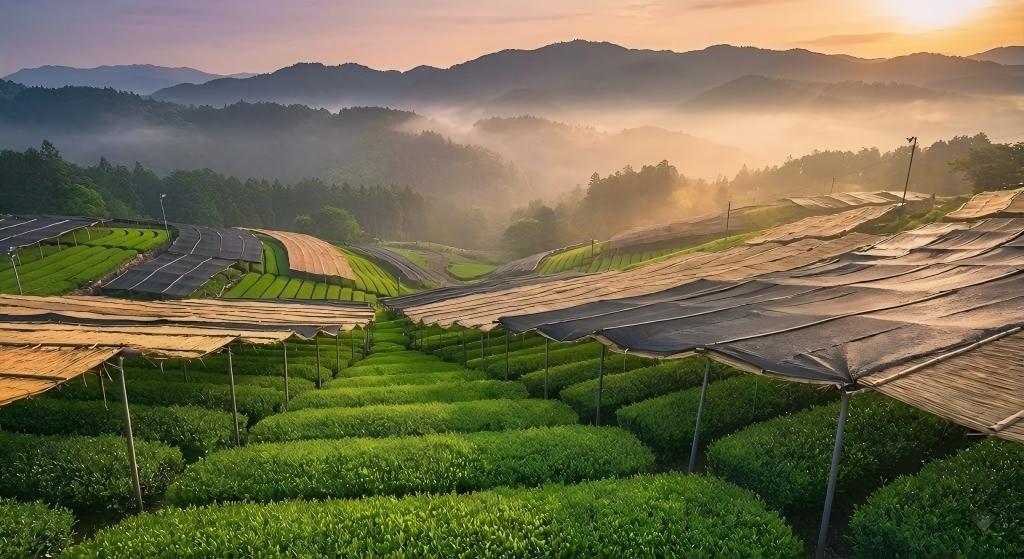
True ceremonial matcha is not just ground green tea. It is a specific type of leaf cultivation. About 3-4 weeks before the spring harvest, the tea fields are covered with bamboo mats or black vinyl nets.
The Chlorophyll Compensatory Mechanism
When you cut off 90% of the sunlight, the tea plant panics. To survive, it hyper-activates its chloroplasts, producing massive amounts of **Chlorophyll to capture every photon of light. This is why ceremonial matcha has that electric, neon-green color. If your matcha is dull olive green, it likely wasn't shaded properly.
The Amino Acid Shield
Sunlight triggers photosynthesis, which converts L-Theanine (a sweet, savory amino acid) into Catechins (bitter antioxidants). By blocking the sun, we pause this conversion. The result is a leaf packed with L-Theanine. This molecule is responsible for the 'Umami' flavor profile—a savory richness akin to seaweed or broth—and the unique state of 'calm focus' that Zen monks relied on for meditation.
3. The Thermodynamics of Stone Grinding
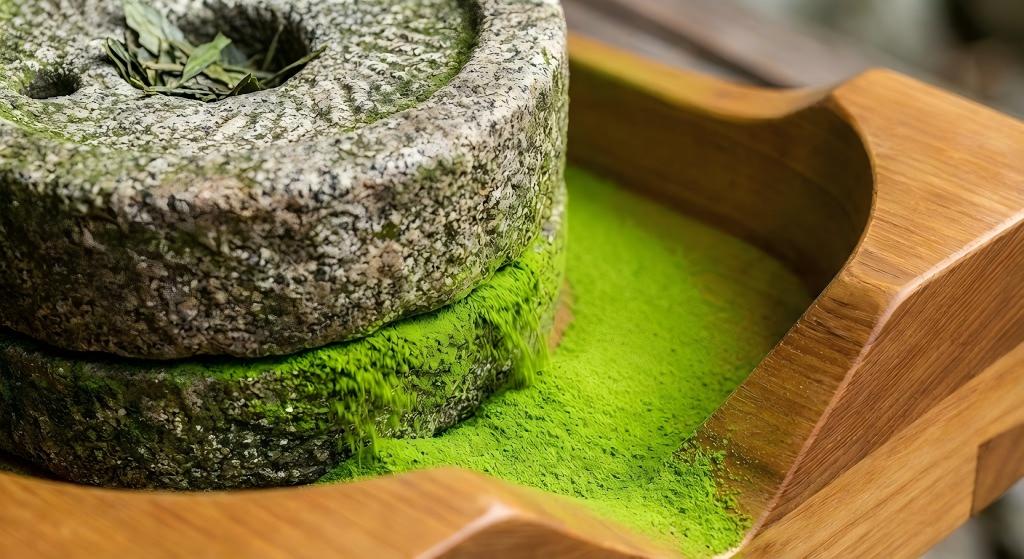
In our modern factory, we could use high-speed jet mills to pulverize tons of tea in an hour. But we don't. We use granite stone mills that grind only 40 grams per hour.
The Enemy is Heat
Tea leaves are volatile. Temperatures above 50°C begin to denature the enzymes and oxidize the oils, destroying the fresh 'grassy' aroma and turning the bright green powder into a sad yellow. A traditional stone mill rotates slowly. The massive thermal mass of the granite absorbs the friction heat, ensuring the tea powder stays below 35°C throughout the process.
The Micro-Texture difference
Under an electron microscope, machine-ground powder looks like jagged, crushed rocks. Stone-ground powder looks like torn snowflakes. These irregular, microscopic edges (approx. 5-10 microns) allow the particles to interlock with water bubbles, creating a stable foam that machines simply cannot replicate.
4. The Modern Ritual: A Return to Roots
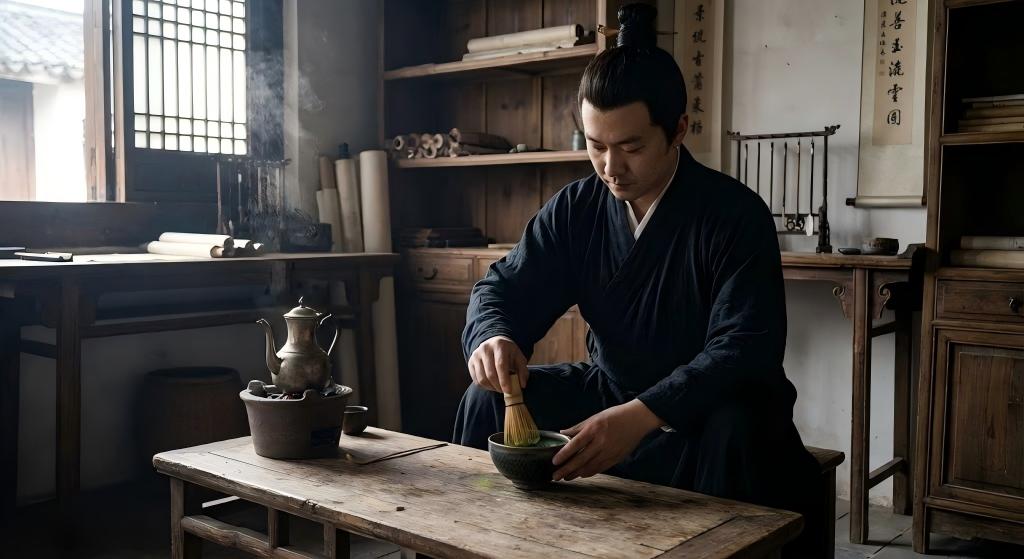
Drinking ceremonial matcha is a rebellion against the speed of modern life. It forces you to slow down.
Step 1: The Sift. Because stone-ground particles are so fine, they clump together due to electrostatic forces. You must press the matcha through a fine mesh sieve. This releases the aroma.
Step 2: The Water. Never use boiling water. 100°C water scalds the amino acids, making the tea bitter. The ideal temperature is 80°C (175°F).
Step 3: The Whisk (Chasen). Using a bamboo whisk, trace a 'W' shape in the bowl. Use your wrist, not your arm. You are trying to suspend the powder in the water, creating a matrix of air and liquid.
5. Grading Guide: Ceremonial vs. Culinary
|
Feature |
Ceremonial Grade (The Gold Standard) |
Culinary Grade (For Baking) |
|
Origin |
First Harvest (Spring) |
Second/Third Harvest (Summer/Autumn) |
|
Color |
Vibrant Electric Green |
Dull Olive / Yellowish Green |
|
Texture |
Talc-like (5-10 microns) |
Gritty / Sandy |
|
Taste |
Sweet, Savory Umami, Creamy |
Bitter, Astringent, Flat |
|
Usage |
Whisk with water only |
Smoothies, Lattes, Baking |
Conclusion
To drink Ceremonial Matcha is to ingest the landscape itself—the minerals of the soil, the shadow of the canopy, and the patience of the stone mill. It is a return to the source, with roots that remain deeply planted in the history of China.
Ready to experience the authentic taste of history? Shop our Traditional Stone-Ground Ceremonial Matcha.