
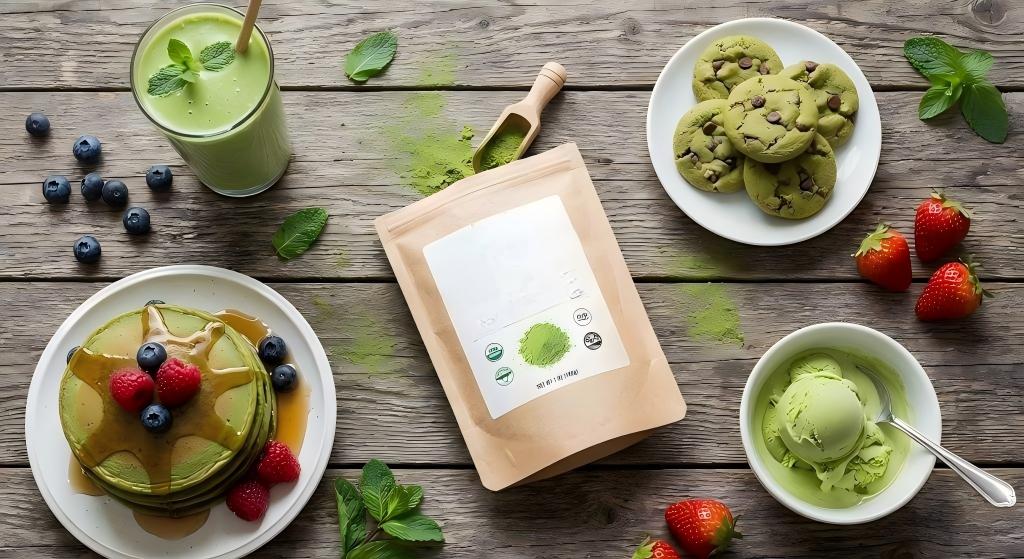
Matcha vs. Coffee: Why Switching to Green Tea Powder Changes Your Energy
It is 2:00 PM. You are sitting at your desk, staring at a spreadsheet. Your eyelids feel heavy. Your brain feels foggy. You reach for your third cup of coffee, hoping for a spark. But instead of focus, you get 20 minutes of heart palpitations followed by an even harder crash.
This is the 'Caffeine Rollercoaster' that millions of people ride every single day. We are a society addicted to energy, but we are fueling ourselves with dirty fuel.
What if there was a way to get the alertness of coffee without the anxiety? What if you could feel energized but calm? Focused but relaxed?
Enter Matcha. For centuries, Zen monks drank it to meditate for hours without falling asleep. Today, Silicon Valley CEOs and biohackers are swapping their espresso shots for bowls of vibrant green tea. But is it just hype? In this head-to-head comparison, we break down the science of Matcha vs. Coffee to show you why green powder is the superior fuel for the modern world.
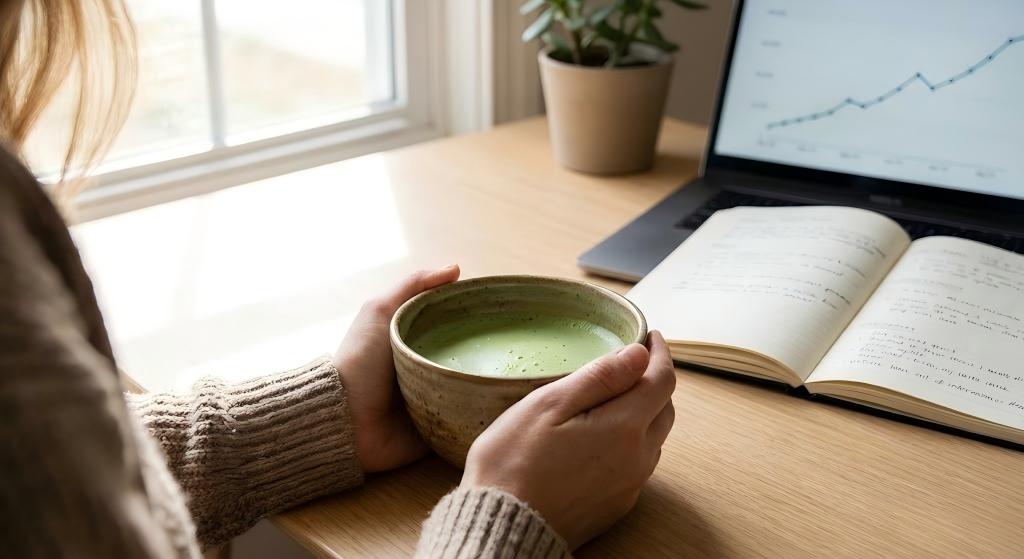
The Energy Curve: Spike vs. Sustain
Both coffee and matcha contain caffeine. But the way your body processes them is radically different.
Coffee: The Spike
Coffee hits your bloodstream fast—usually within 15-30 minutes. It blocks Adenosine receptors in the brain (the chemical that makes you feel tired). This triggers a sudden release of adrenaline and glucose. You feel 'hyped'.
However, this spike causes a corresponding spike in insulin. Within 1-2 hours, your blood sugar drops, and the adenosine floods back in. Result: The dreaded afternoon crash.
Matcha: The Sustain
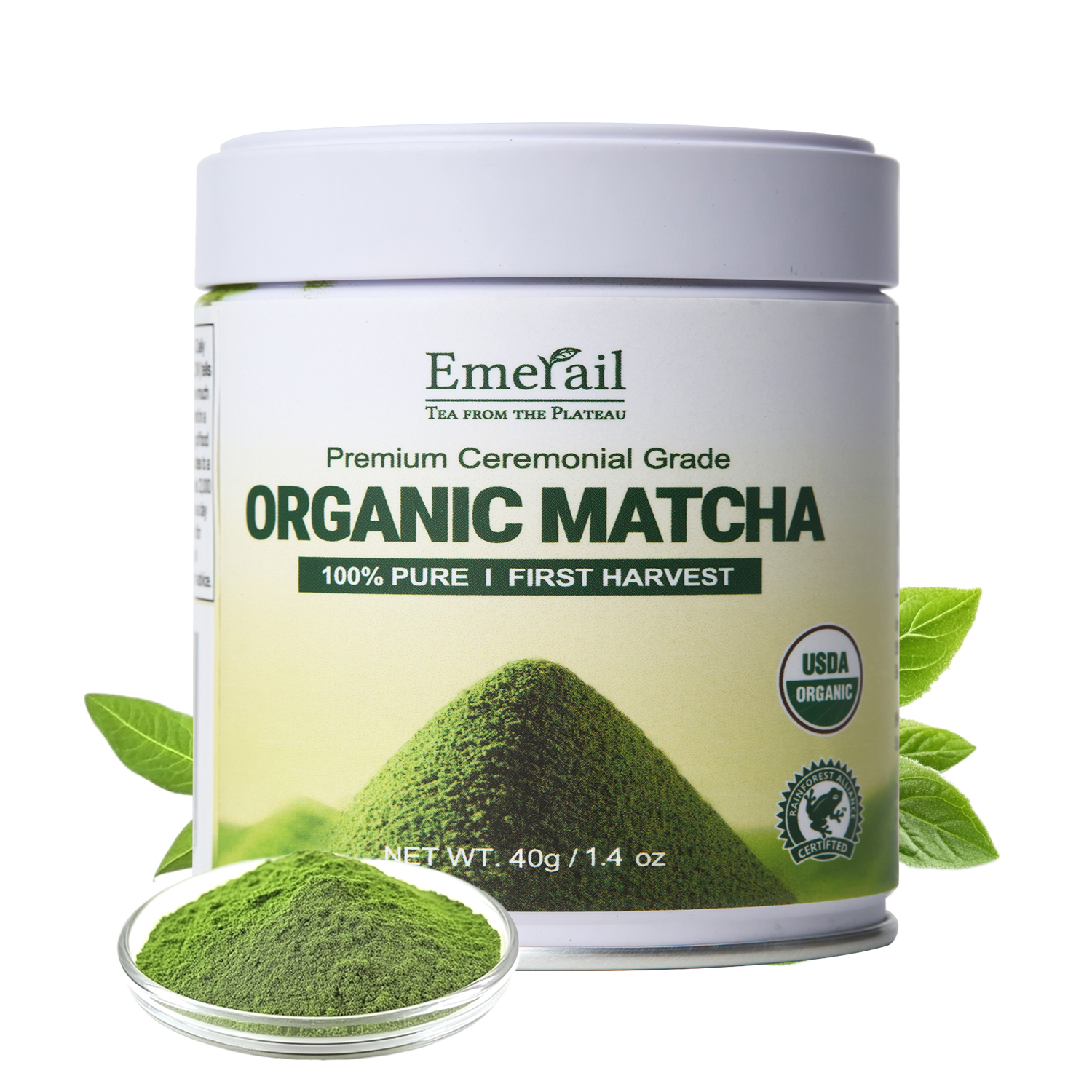
Matcha contains caffeine too (about 35-70mg per cup, compared to coffee's 95mg). But in matcha, the caffeine binds to larger plant molecules called Catechins. This slows down the breakdown of caffeine in the bloodstream. Instead of a 30-minute spike, you get a slow-release energy drip that lasts 4-6 hours. No jitters. No crash. Just steady productivity. Try our High Energy Matcha.
The Secret Weapon: L-Theanine
This is the main reason why matcha wins. Coffee is purely a stimulant. Matcha is a Modulator.
Matcha contains a rare amino acid called L-Theanine. L-Theanine promotes the production of Alpha Brain Waves—the same brain waves measured in people during deep meditation or flow states.
- The Synergistic Effect:
Caffeine says: 'Wake up!'
L-Theanine says: 'Calm down.'
Together, they create a state known as Calm Alertness. You are awake, but your heart isn't racing. You are focused, but not anxious. This is why matcha is the preferred drink for coding, writing, and creative work.
Cortisol: Are You Drinking Stress?
Coffee stimulates the adrenal glands to produce Cortisol, the body's primary stress hormone. While a little cortisol helps you wake up, chronically high cortisol leads to belly fat retention, poor sleep, and anxiety.
If you are already stressed at work, drinking coffee is like throwing gasoline on a fire. It mimics the 'Fight or Flight' response.
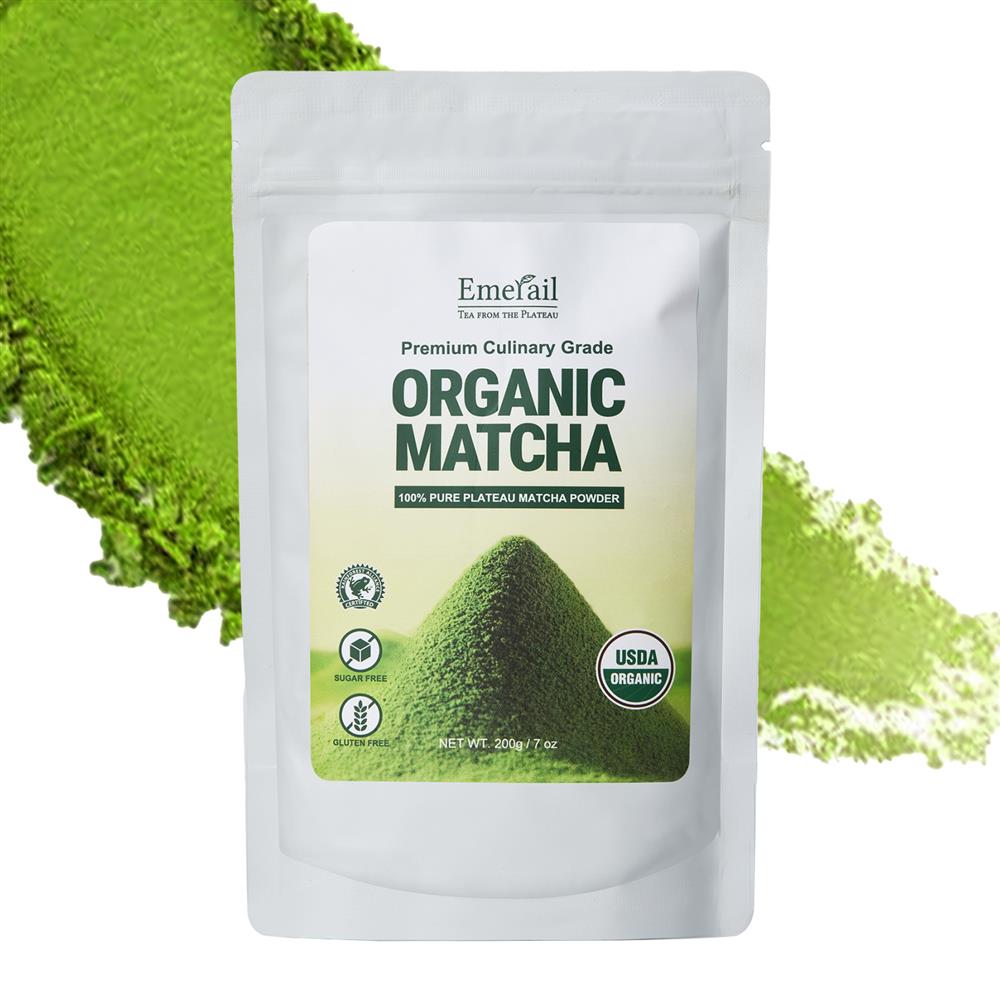
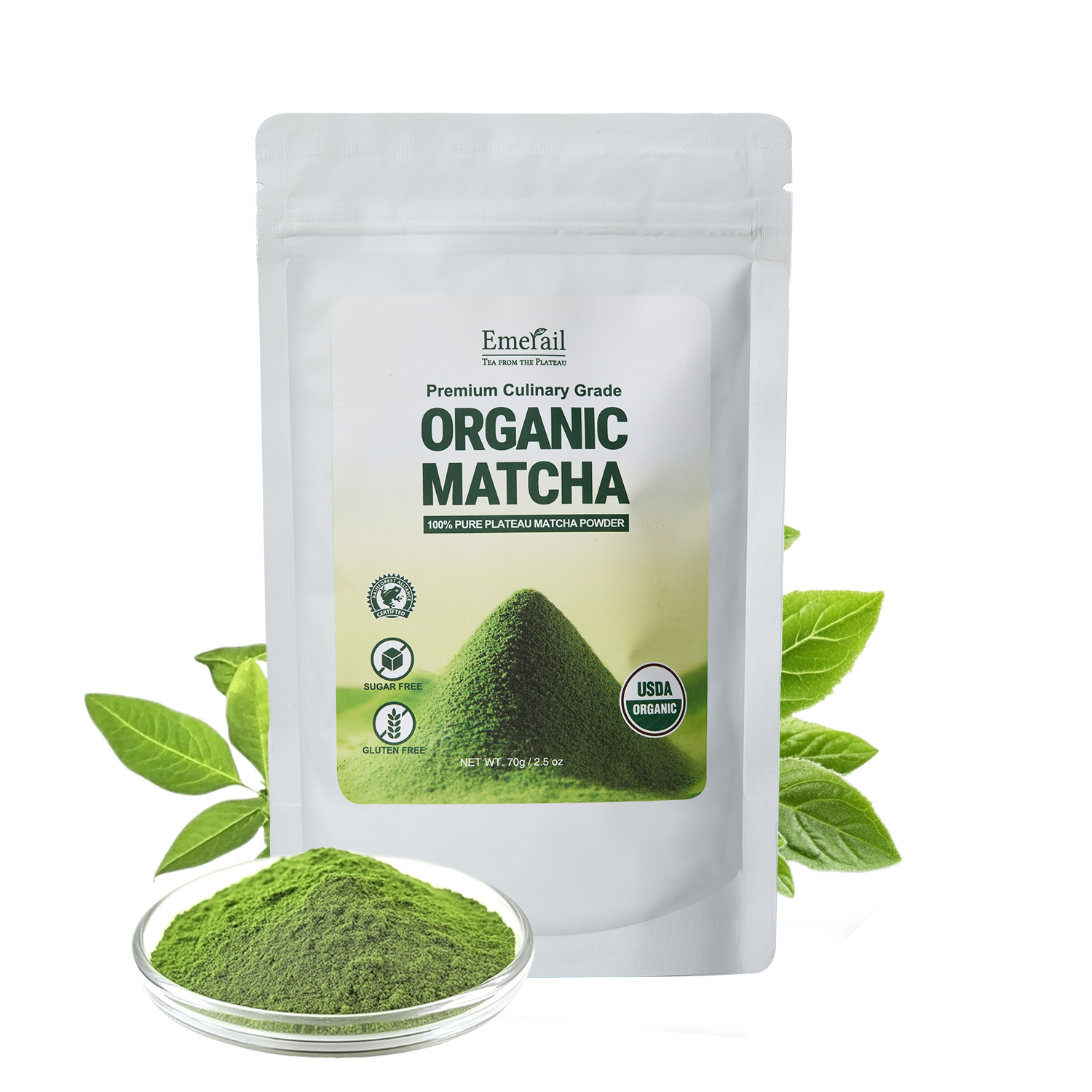
Matcha, conversely, has been shown to lower cortisol levels due to its L-Theanine content. It helps your body adapt to stress rather than amplifying it. By switching to Organic Matcha, you are literally lowering your body's stress load.
The Smile Test: Breath, Teeth, and Stomach
It's not just about energy. Let's talk about the side effects.
- Coffee Breath vs. Clean Mouth
Coffee is acidic. It alters the pH of your mouth, allowing bad bacteria to thrive, causing halitosis (coffee breath). Matcha is antibacterial. The catechins in green tea actually kill the bacteria that cause cavities and bad breath. In China, green tea is often used in toothpaste.
- taining
Coffee enamel stains are notorious and hard to remove. While matcha is green, it does not stain teeth nearly as aggressively as the tannins in dark coffee.
- Acid Reflux
Coffee is highly acidic (pH 5.0). It can irritate the stomach lining, causing acid reflux or ulcers. Matcha is much closer to neutral and is gentler on the gut. If coffee gives you a stomach ache, matcha is often the cure.
Head-to-Head: The Numbers
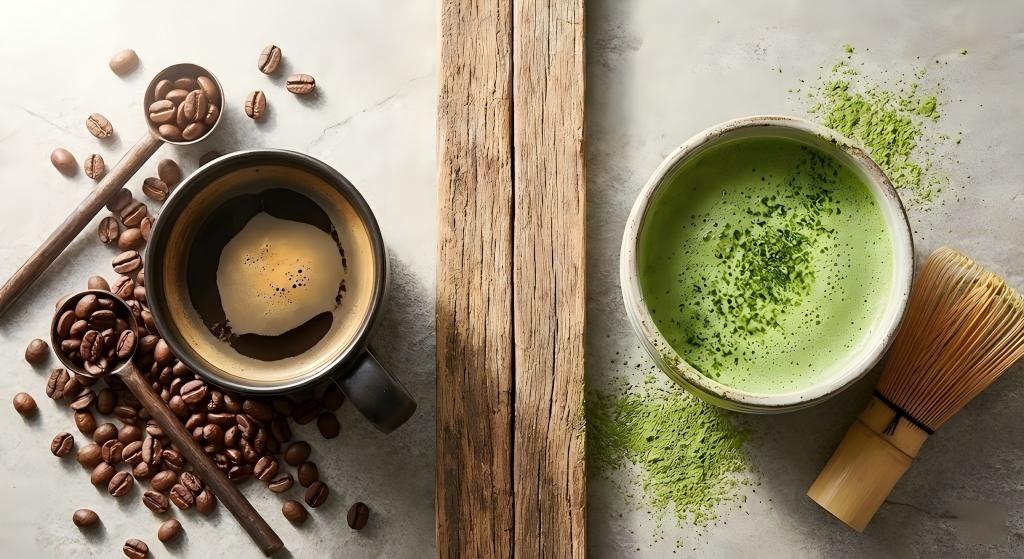
A statistical breakdown of your morning cup.
|
Metric |
Coffee (8oz) |
Matcha (2g powder) |
|
Caffeine |
95 - 150 mg |
35 - 70 mg |
|
Energy Duration |
1 - 2 Hours |
4 - 6 Hours |
|
Crash Effect |
High |
None |
|
Anxiety Level |
High (Jitters) |
Low (Calming) |
|
Antioxidants |
Moderate |
Extremely High (EGCG) |
|
Breath |
Halitosis Risk |
Antibacterial / Fresh |
|
pH (Acidity) |
Acidic (5.0) |
Near Neutral (7.0-9.0) |
How to Quit Coffee: The Transition Plan
Quitting coffee cold turkey causes withdrawal headaches. We recommend a phased approach.
- Week 1: The Hybrid
Drink 1 cup of coffee in the morning, but swap your afternoon cup for a matcha latte. This prevents the afternoon crash.
- Week 2: The Full Swap
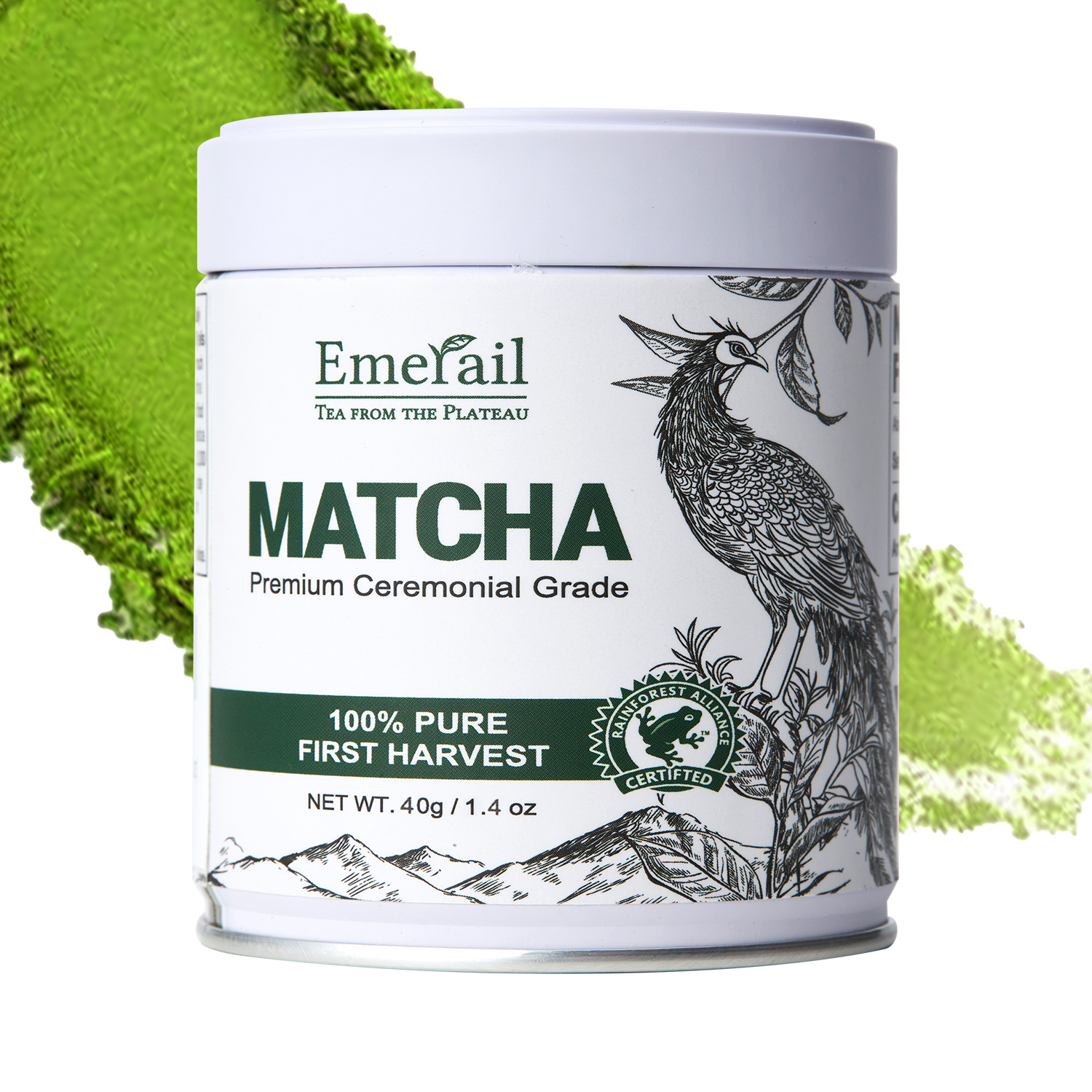
Switch your morning drink to a strong Ceremonial Matcha (use 2 tsp for extra caffeine). You will notice you feel lighter and more clear-headed by Day 3.
FAQ: Making the Switch
Q: Does matcha have more caffeine than coffee?
A: Generally, no. A typical cup of coffee has about 95mg of caffeine. A typical serving of matcha (1g) has about 35mg. However, because you can adjust the amount of powder, a 'double shot' matcha can approach coffee levels, but with a much smoother delivery.
Q: Will matcha make me jittery?
A: It is highly unlikely. The L-Theanine counteracts the jittery effects of caffeine. Most people describe the feeling as 'relaxed alertness' rather than the 'wired' feeling of coffee.
Q: Can I drink matcha on an empty stomach?
A: While it is gentler than coffee, matcha is still potent. The high tannin content can cause mild nausea if your stomach is completely empty. We recommend drinking it after a light breakfast or with a splash of almond milk to buffer the stomach.
Q: Is it expensive?
A: Per serving, it is cheaper than a coffee shop. A $30 tin of our Best Matcha Powder makes 30 drinks. That is $1.00 per drink, compared to $5.00+ at a cafe.
Conclusion
We aren't saying coffee is evil. It has its place. But in a world that is already stressful, anxious, and demanding, fueling yourself with liquid stress might not be the best strategy.
Switching to matcha is about choosing a different kind of energy. It is about choosing focus over frenzy. It is about treating your body with respect rather than just shocking it into being awake.
If you are tired of the crash, it is time to go green. Shop our Coffee Replacement Bundle and feel the difference for yourself.