
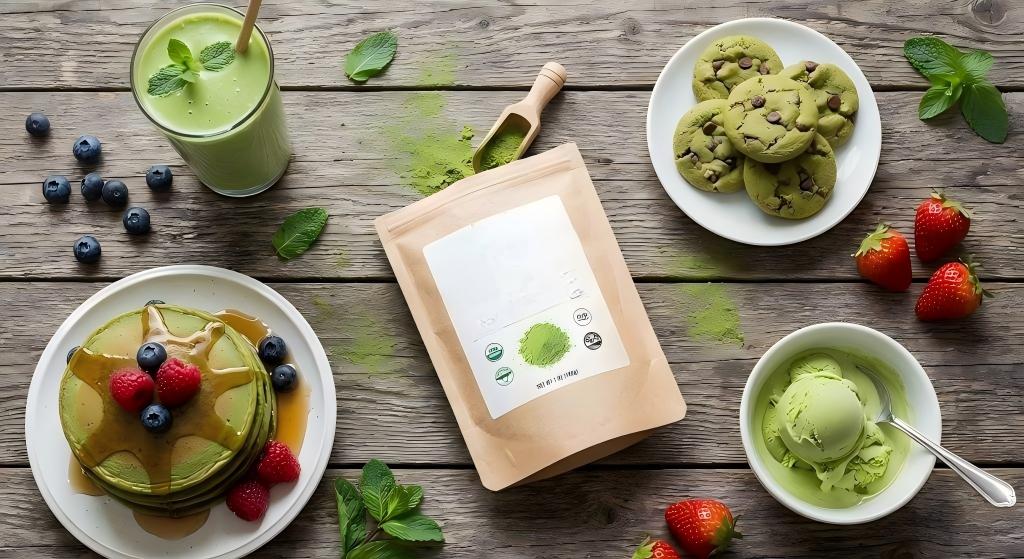
For many people, the day begins with a familiar ritual: a warm, caffeinated drink. For decades, coffee has filled that role. In recent years, however, matcha has emerged as a serious alternative for those seeking a different kind of energy—one that feels calmer, steadier, and easier to sustain throughout the day.
While both matcha and coffee contain caffeine, the experience they create in the body and mind is noticeably different. One is fast and intense, the other smooth and gradual. Understanding these differences helps explain why many people are rethinking their daily coffee habits and turning to Guizhou, China matcha instead.
This article compares matcha and coffee in terms of energy, focus, daily use, and long-term sustainability, with a practical perspective for everyday life.
How Caffeine Works in Coffee
Coffee delivers caffeine quickly. Once consumed, caffeine enters the bloodstream at a rapid pace, often producing an immediate feeling of alertness.
For many people, this quick effect is useful, especially in the early morning. However, it can also come with drawbacks, particularly when coffee is consumed frequently or in large amounts.
Common experiences associated with coffee include:
- Rapid energy spikes
- Heightened alertness followed by sudden drops
- Jitters or restlessness
- Increased reliance on repeated servings
Over time, some coffee drinkers notice that they need more coffee to achieve the same effect, leading to cycles of overconsumption.
How Caffeine Works in Matcha
Matcha also contains caffeine, but the way it is delivered feels different.
Instead of releasing caffeine rapidly, matcha provides a slower, more controlled rise in energy. Many people describe matcha energy as smooth, steady, and less overwhelming.
High-quality Guizhou matcha is particularly known for this balanced effect. Its clean growing conditions and careful processing contribute to a flavor and energy profile that feels predictable rather than sharp.
The result is energy that supports focus without pushing the nervous system too hard.
Energy Experience: Immediate vs Sustained
One of the most noticeable differences between matcha and coffee is how energy feels over time.
Coffee energy often feels:
- Immediate
- Intense
- Short-lived
Matcha energy often feels:
- Gradual
- Stable
- Longer-lasting
If you need a quick jolt, coffee may feel more powerful. If you want energy that supports several hours of focus, matcha often feels easier to manage.
Focus and Mental Clarity
Energy alone does not guarantee productivity. Focus requires mental stability and the ability to stay engaged without feeling overstimulated.
Many people report that coffee increases alertness but also introduces mental noise, making it harder to concentrate on complex tasks for long periods.
Matcha, especially Guizhou matcha, is often chosen for activities that require sustained attention. Its smoother energy profile supports concentration without the pressure or urgency that sometimes accompanies coffee.
This makes matcha popular for:
- Studying
- Creative work
- Long meetings
- Deep focus sessions
Jitters, Anxiety, and Energy Crashes
A common reason people seek alternatives to coffee is how their body responds over time.
Some coffee drinkers experience:
- Shaky hands
- Racing thoughts
- Midday crashes
- Heightened anxiety
Matcha is often described as gentler in comparison. While individual responses vary, many people find that matcha causes fewer physical side effects, especially when consumed daily.
Guizhou matcha, with its smooth texture and low bitterness, is particularly approachable for those sensitive to strong stimulants.
Matcha vs Coffee for Daily Use
Short-term energy is one thing. Daily sustainability is another.
Coffee often encourages repeated consumption throughout the day. As energy drops, another cup feels necessary. Over time, this pattern can lead to dependence rather than balance.
Matcha, on the other hand, often feels sufficient in smaller amounts. Many people find that one serving in the morning, or an additional serving in the early afternoon, provides enough support without the need for constant refills.
This difference makes matcha easier to integrate into long-term routines.
Digestive Comfort and Physical Response
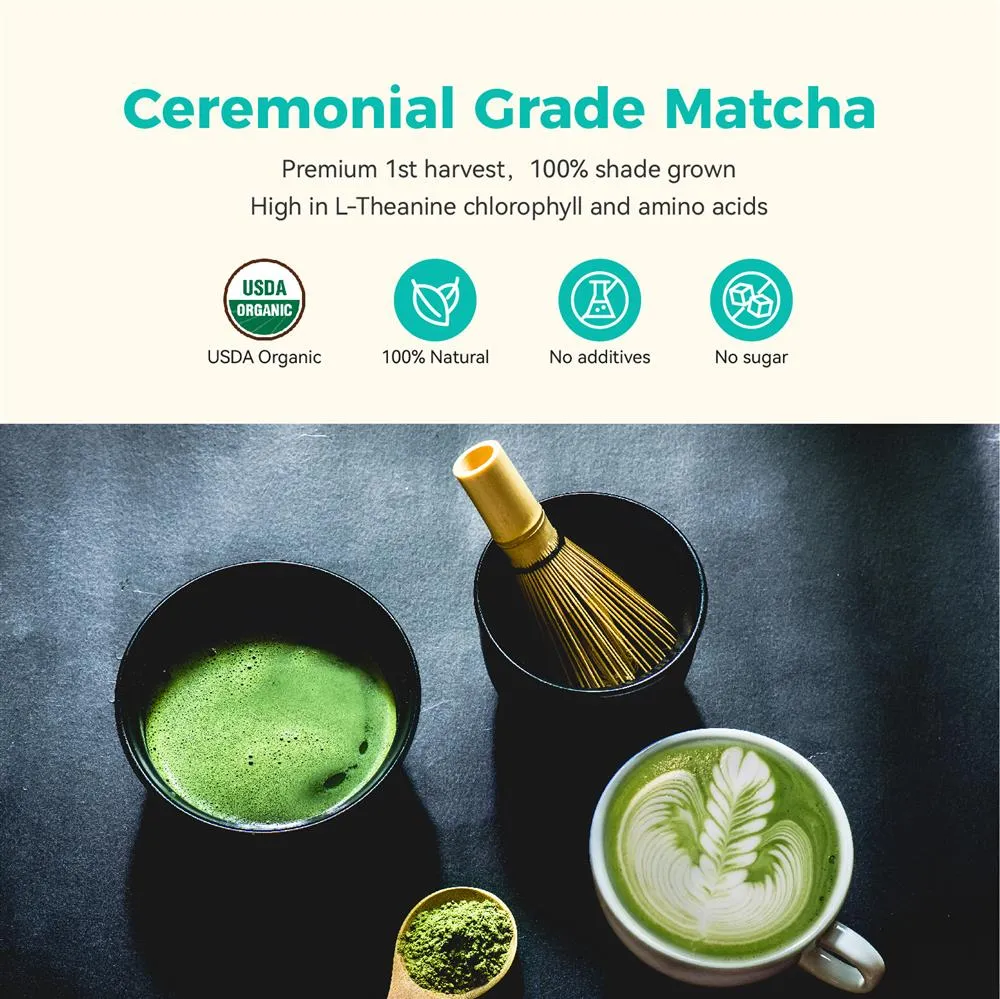
Another factor to consider is how each drink feels physically.
Coffee is naturally acidic and may cause discomfort for some people, especially on an empty stomach. Matcha is often reported to feel gentler and easier to tolerate.
High-quality Guizhou matcha, produced with careful leaf selection and fine grinding, tends to have a smooth mouthfeel that many people find more comfortable for regular consumption.
Taste and Daily Enjoyment
Taste plays a major role in what people choose to drink every day.
Coffee offers bold, roasted flavors with a wide range of profiles. Matcha offers a smooth, vegetal taste that can be enjoyed plain or mixed with milk.
Matcha’s versatility allows it to adapt to different preferences:
- Plain with water
- Mixed into lattes
- Added to smoothies
Guizhou matcha is especially valued for its clean, balanced flavor that works well in both simple and mixed preparations.
Matcha vs Coffee in Different Daily Scenarios
Different moments call for different kinds of energy.
Early mornings: Coffee may feel more effective for immediate alertness.
Focused work sessions: Matcha often supports longer concentration.
Afternoon energy dips: Matcha is less likely to cause sharp crashes or disrupt later routines.
Many people choose to use both, depending on the time of day and their personal needs.
Long-Term Habits and Sustainability
One of the biggest differences between matcha and coffee appears over time.
With daily coffee use, some people notice increasing tolerance and reliance. With daily matcha use, many report a more stable relationship with caffeine.
Guizhou matcha supports this stability through consistent quality and predictable effects. Rather than chasing stimulation, matcha encourages moderation and awareness.
Is Matcha Better Than Coffee?
The answer depends on what you value.
Coffee may be better if you want:
- Immediate stimulation
- Strong, bold flavor
- Rapid energy delivery
Matcha may be better if you want:
- Steady, manageable energy
- Sustained focus
- A calmer daily routine
Neither drink is objectively superior. The better choice is the one that supports your lifestyle and physical response.
Can Matcha Replace Coffee Completely?
For some people, yes. Others prefer to use both.
A common approach is:
- Coffee in the early morning
- Matcha later in the day
This allows you to benefit from both styles of energy without excessive caffeine intake.
Common Questions About Matcha vs Coffee (FAQ)
Does matcha contain less caffeine than coffee?

Generally yes, but the energy often feels longer-lasting.
Is matcha better for anxiety?
Many people find matcha gentler and easier to manage.
Can beginners switch directly from coffee to matcha?
Yes, but gradual adjustment may feel more comfortable.
Is Guizhou matcha suitable as a coffee alternative?
Yes. Its smooth profile makes it especially suitable for daily routines.
Final Thoughts
The choice between matcha and coffee is not about which drink is stronger. It is about how you want your energy to feel.
With its steady release, smooth flavor, and flexibility, Guizhou, China matcha offers a balanced alternative to coffee. For those seeking focus without overstimulation and consistency without dependence, matcha provides a sustainable path forward.