
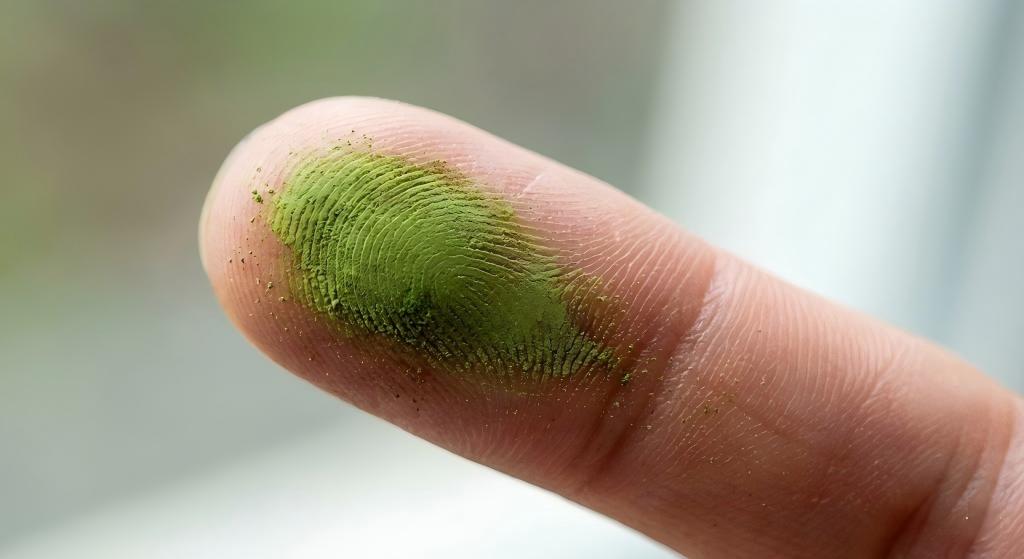
Buying high-quality matcha is only the first step. How matcha is stored after purchase plays an equally important role in determining taste, color, and overall experience. Even excellent matcha can lose its freshness quickly if exposed to the wrong conditions.
Because matcha is consumed as a whole leaf powder, it is especially sensitive to environmental factors. Light, air, heat, and moisture can all degrade quality in a short period of time. For Guizhou, China matcha, proper storage helps preserve the smooth flavor and vibrant green color that define its quality.
This guide explains how long matcha lasts, what causes it to degrade, and how to store it correctly at home to maintain freshness as long as possible.
Why Matcha Freshness Matters?
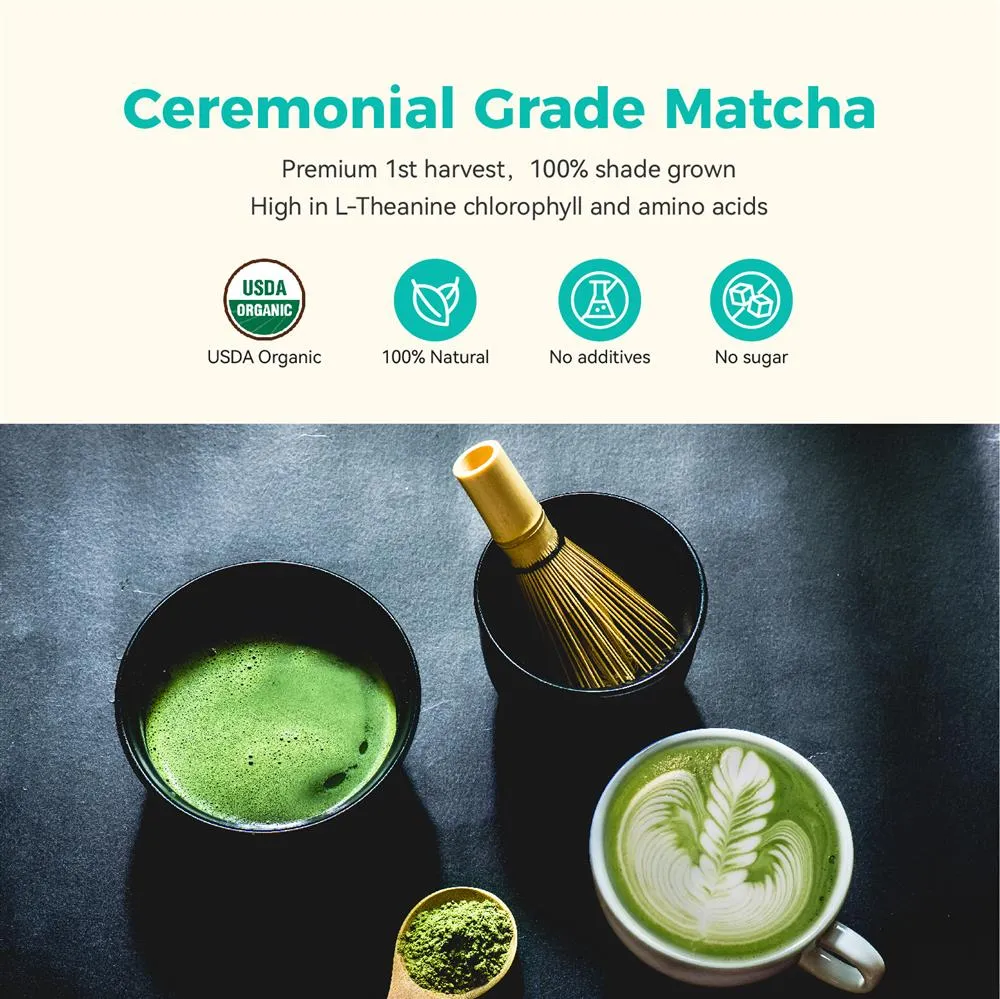
Freshness is one of the most important factors in matcha quality.
As matcha ages, several changes occur:
- Color fades from bright green to dull green
- Aroma becomes flat or stale
- Flavor turns bitter or hollow
- Texture feels less smooth
Because matcha powder has a large surface area, it reacts quickly with oxygen and light. Unlike loose-leaf tea, which degrades slowly, matcha shows quality loss much faster.
Guizhou matcha is known for its clean taste and balanced profile, but even this advantage depends on proper storage after opening.
What Affects Matcha Shelf Life?
Several environmental factors determine how long matcha stays fresh.
Oxygen Exposure
Oxygen is one of the biggest enemies of matcha. Once exposed to air, oxidation begins immediately.
Repeated opening of a container accelerates this process, causing gradual loss of color and flavor.
Light Exposure
Light, especially direct sunlight, breaks down chlorophyll. This results in dull color and weaker taste.
This is why high-quality matcha is packaged in light-resistant containers.
Heat
Heat speeds up chemical reactions that degrade matcha. Warm storage environments shorten shelf life significantly.
Moisture
Moisture causes clumping and can lead to spoilage. Even small amounts of humidity can damage matcha powder.
Understanding these factors helps explain why storage matters as much as the matcha itself.
How Long Does Matcha Last?
Matcha does not spoil instantly, but quality declines over time.
Unopened matcha stored properly can remain fresh for an extended period. Once opened, freshness depends on storage conditions and frequency of use.
For best flavor and color, many people aim to consume matcha within a reasonable time after opening rather than stretching it indefinitely.
Guizhou matcha maintains its quality well when handled correctly, but no matcha is immune to environmental exposure.
Best Containers for Storing Matcha
Choosing the right container is essential.
High-quality matcha should be stored in:
- Airtight containers
- Light-resistant packaging
- Small-volume tins or pouches
If matcha is purchased in bulk packaging, transferring it to smaller airtight containers can help reduce repeated air exposure.
Avoid clear containers unless they are kept in a dark place.
Where to Store Matcha at Home
Location matters as much as the container.
Ideal storage locations include:
- A cool, dark cabinet
- A refrigerator with proper sealing
Avoid storing matcha:
- Near stoves or ovens
- On open countertops
- Near windows or heat sources
Guizhou matcha retains its smooth profile best when temperature and light exposure are controlled consistently.
Refrigeration: Helpful or Harmful?
Refrigeration can extend matcha freshness, but only when done correctly.
If storing matcha in the refrigerator:
- Ensure the container is completely airtight
- Protect from moisture and odors
- Allow the container to return to room temperature before opening
Opening cold matcha immediately can cause condensation, which introduces moisture and damages the powder.
For frequently used matcha, room-temperature storage in a cool, dark place may be more practical.
How to Handle Matcha During Daily Use
Daily handling habits affect shelf life more than many people realize.
Best practices include:
- Opening the container briefly
- Using clean, dry utensils
- Closing the container tightly after each use
Avoid leaving matcha exposed to air while preparing drinks.
Guizhou matcha’s fine texture absorbs moisture easily, making careful handling especially important.
Signs That Matcha Is Losing Freshness
Over time, matcha may show signs of quality decline.
Common indicators include:
- Color fading to yellow-green
- Aroma becoming dull or stale
- Flavor turning bitter or flat
- Increased clumping
While matcha may still be safe to consume, the experience is noticeably reduced.
Can Old Matcha Still Be Used?
Older matcha that has lost freshness is not necessarily unsafe, but it may no longer be enjoyable as a drink.
Some people choose to repurpose older matcha for:
- Baking
- Smoothies
- Recipes where flavor is mixed
For drinking matcha with water, freshness makes a significant difference. Guizhou matcha shows its best qualities when used while still vibrant.
Buying Matcha in the Right Quantity
One of the easiest ways to maintain freshness is to buy matcha in quantities you can realistically consume.
Beginners often make the mistake of buying large amounts too early. Smaller packages reduce storage time and help ensure better flavor.
Guizhou matcha is available in various package sizes, making it easier to choose amounts that match your routine.
How Storage Affects Different Matcha Grades
Storage affects all matcha, but drinking-grade matcha is especially sensitive.
Because drinking-grade matcha relies on subtle flavor and smoothness, freshness loss is more noticeable.
Culinary-grade matcha is more forgiving, but proper storage still improves performance.
Regardless of grade, good storage practices protect quality.
Common Storage Mistakes to Avoid
Many quality issues come from simple mistakes:
- Leaving matcha uncovered
- Using wet spoons
- Storing near heat sources
- Exposing matcha to light
Avoiding these errors preserves flavor and color without additional effort.
Matcha Shelf Life vs Best Flavor Window
While matcha may technically last longer, there is often a best flavor window when taste and color are optimal.
Using matcha during this window ensures the smooth, balanced experience Guizhou matcha is known for.
Rather than focusing only on expiration dates, pay attention to sensory quality.
Common Questions About Matcha Storage (FAQ)
Should matcha always be refrigerated?
Not always. Proper sealing and darkness matter more than cold temperature.
Can matcha absorb odors?
Yes. Matcha easily absorbs surrounding smells if not sealed well.
Why does matcha clump over time?
Clumping is often caused by moisture exposure.
Does Guizhou matcha store well?
Yes, when stored correctly, it maintains quality reliably.
Final Thoughts
Proper storage is essential for enjoying matcha at its best.
By protecting matcha from air, light, heat, and moisture, you can preserve the vibrant color, smooth flavor, and clean profile that define Guizhou, China matcha. Good storage habits ensure that every cup reflects the quality you originally purchased rather than the effects of neglect.
Matcha rewards care. With the right storage approach, freshness lasts longer and enjoyment remains consistent.