
Instant vs. Traditional Whisking: Finding Your "Everyday Matcha" Routine
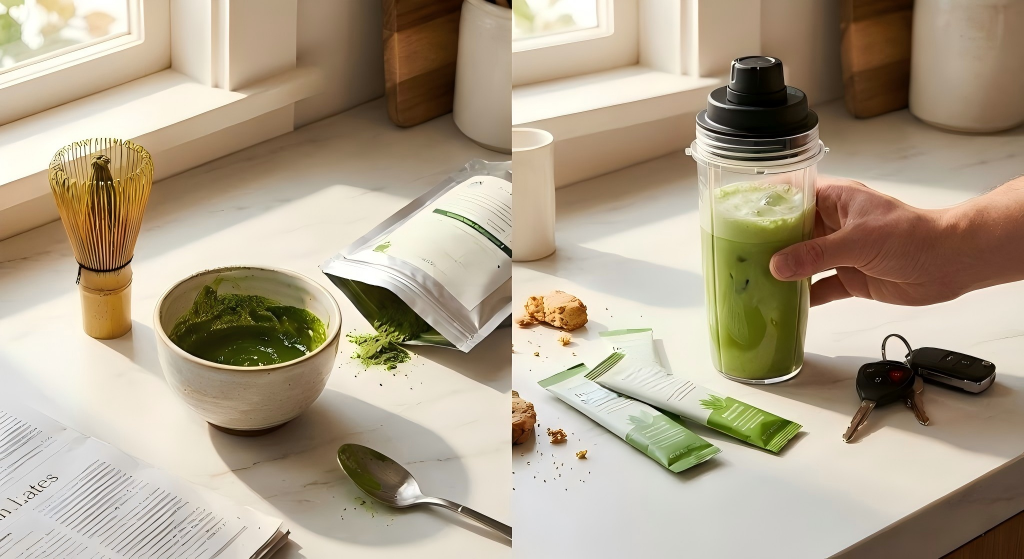
The alarm goes off. It is 6:45 AM. You have exactly 45 minutes to shower, get dressed, feed the dog, and get out the door. You know you should drink something healthy. You know that a bowl of matcha would give you sustained energy and focus for your morning meeting. But the thought of getting out the bamboo whisk, boiling water to a precise 175°F, and meditatively frothing a bowl seems impossible.
So, you grab a stale coffee or a sugary energy drink instead. The intention was there, but the execution failed.
This is the most common barrier to entry for matcha newcomers: The Ritual. While the traditional tea ceremony is beautiful, it doesn't always fit into a chaotic modern Tuesday morning. But here is the good news: you don't need a ceremony to get the benefits.
The matcha world has evolved. From high-tech manufacturing to simple kitchen hacks, it is now possible to make a perfect cup of green tea in under 60 seconds. In this guide, we explore the rise of Instant Matcha and help you build an 'Everyday Routine' that sticks.
The Beauty (and Burden) of Tradition
Traditional preparation involves a 'Chasen' (bamboo whisk), a 'Chawan' (bowl), and a 'Chashaku' (bamboo scoop). It requires sifting the powder to remove static clumps. It requires specific wrist movements to create foam.
- Pros of Tradition:
Texture: The whisk creates the best micro-foam.
Mindfulness: The act itself is calming.
- Cons of Tradition:
Time: Takes 5-10 minutes including cleanup.
Skill: Requires practice to avoid bitterness/clumps.
For the weekend, this is perfect. But for the weekday warrior, we need a solution that bridges the gap between quality and speed. We need Everyday Matcha.
Defining "Instant": The Good, The Bad, and The Sugary
When we say 'Instant Matcha', we need to be very careful with our definitions, because the market is flooded with two very different types of products.
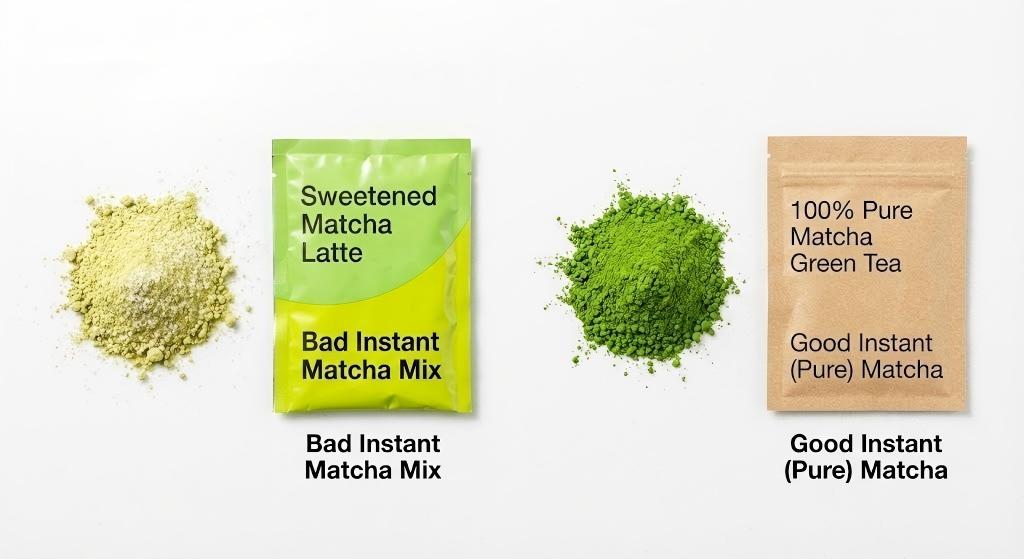
Type A: The "Fake" Instant (Avoid)
You see these at grocery stores. They come in little tear-open packets. If you look at the ingredients, the first item is Sugar, followed by Corn Syrup Solids, Hydrogenated Oils, and maybe 2% Green Tea Powder.
This is not matcha. This is a green-dyed milkshake. It dissolves instantly because it is mostly sugar, which is highly soluble. But it spikes your insulin and provides zero health benefits.
Type B: The "Pure" Instant (Buy)
This is 100% pure green tea powder, but processed in a way that makes it easier to mix. Some high-end brands use a granulation process to make the particles less prone to static clumping. However, even standard High Quality Matcha can be 'Instant' if you use the right technique. The key is distinguishing between a product that *is* easy to use versus one filled with junk.
The "Cold Brew" Hack: No Whisk Required
If you don't have time to boil water, don't. Matcha does not need heat to dissolve; it just needs agitation.
The Mason Jar / Shaker Bottle Method is the ultimate hack for busy people. It works because the mechanical force of shaking is actually more violent and effective than a whisk.
- The 60-Second Routine:
Grab a mason jar, a protein shaker bottle, or a reusable water bottle.
Add 10oz of cold water or oat milk.
Add 1 teaspoon of matcha powder on top.
Add 1 ice cube (Crucial: The ice cube acts as an agitator, smashing any powder clumps like a ball bearing in a spray paint can).
Shake violently for 10 seconds.
Result: A perfectly frothy, clump-free cold brew matcha in under a minute. No special tools. No cleanup. This is the essence of Quick Matcha.
The Electric Revolution: Frothers vs. Blenders
If you prefer a hot latte but hate the bamboo whisk, technology is your friend.
1. The Handheld Frother ($10)
These battery-operated wands are ubiquitous. While they don't create the microscopic foam of a bamboo whisk, they are fast. Tip: Don't turn it on until the head is fully submerged, or you will paint your kitchen green.
2. The Electric Blender Bottle ($30+)
New self-stirring mugs and portable blenders (like BlendJet) are fantastic for matcha. The high-speed blades obliterate clumps instantly. This is ideal for adding protein powder or collagen to your morning tea.
Comparison: Choosing Your Morning Routine
Which method fits your schedule?
|
Method |
Time Required |
Texture Quality |
Cleanup Effort |
|
Traditional Whisk |
5-8 Minutes |
10/10 (Silky) |
High (Delicate bamboo) |
|
Mason Jar Shake |
1 Minute |
8/10 (Frothy) |
Low (Rinse jar) |
|
Electric Frother |
2 Minutes |
7/10 (Large bubbles) |
Low (Rinse wand) |
|
Sugary Instant Packet |
30 Seconds |
6/10 (Thin/Syrupy) |
Zero (Trash) |
|
Blender |
3 Minutes |
9/10 (Very smooth) |
Medium (Wash blades) |
Why Purity Matters in "Everyday" Use
If you are drinking matcha occasionally, a little sugar isn't the end of the world. But if you are building an Everyday Habit, purity is non-negotiable.
Consuming 20g of added sugar every morning in a pre-mix packet will lead to inflammation, insulin resistance, and an energy crash by 10 AM—defeating the purpose of the tea.
By using the Mason Jar method with Pure Matcha Powder, you get the convenience of instant preparation without the metabolic penalty. You get pure, sustained energy from L-Theanine and EGCG, setting a positive tone for the rest of your day.
3 Recipes for the "No Time" Crowd
- The Gym Rat (Matcha + Protein)
Add 1 scoop Vanilla Protein Powder + 1 tsp Matcha + Water in a shaker bottle. Shake. Drink. The vanilla masks any bitterness, and the caffeine fuels your lift.
- The Commuter (Matcha + Juice)
Add 1 tsp Matcha into a bottle of Lemonade or Coconut Water. Shake. The acidity of lemonade pairs surprisingly well with the grassy tea notes. Refreshing and hydrating.
- The Bulletproof (Matcha + MCT)
Add hot water, matcha, and a teaspoon of MCT oil or coconut oil into a blender. Blitz for 10 seconds. The fat helps nutrient absorption and keeps you full until lunch.
FAQ: Lifestyle & Storage
Q: Is instant matcha as good as traditional?
A: If by 'instant' you mean pure powder prepared quickly (shaken/frothed), yes! The health benefits are identical. The only difference is the texture might be slightly less silky than a bamboo-whisked bowl. If you mean 'instant packets' with sugar, then no, those are much worse for you.
Q: How do you dissolve matcha without a whisk?
A: The key is 'The Shake'. Use a tight-sealing bottle and add an ice cube or a blender ball. The physical impact of the ice/ball against the walls of the bottle breaks up the clumps that a spoon simply cannot reach.
Q: How long does matcha powder last?
A: Unopened, it lasts 1 year. Once opened, it begins to oxidize immediately. For best flavor, consume within 1-2 months. If you only drink it occasionally, store the tin in the freezer to halt oxidation.
Q: Can I put matcha in my coffee?
A: Technically yes (a 'Dirty Matcha'), but the flavors can clash. We recommend switching fully to our Everyday Matcha for a week to reset your palate and caffeine tolerance.
Conclusion
Perfection is the enemy of done. If waiting for the 'perfect' time to perform a tea ceremony means you never drink matcha, then the ceremony is holding you back.
The best matcha routine is the one you actually do. Whether that is a meditative 10-minute whisk on a Sunday morning or a vigorous 10-second shake in a mason jar on a Tuesday commute, the benefits of the green tea leaf remain the same.
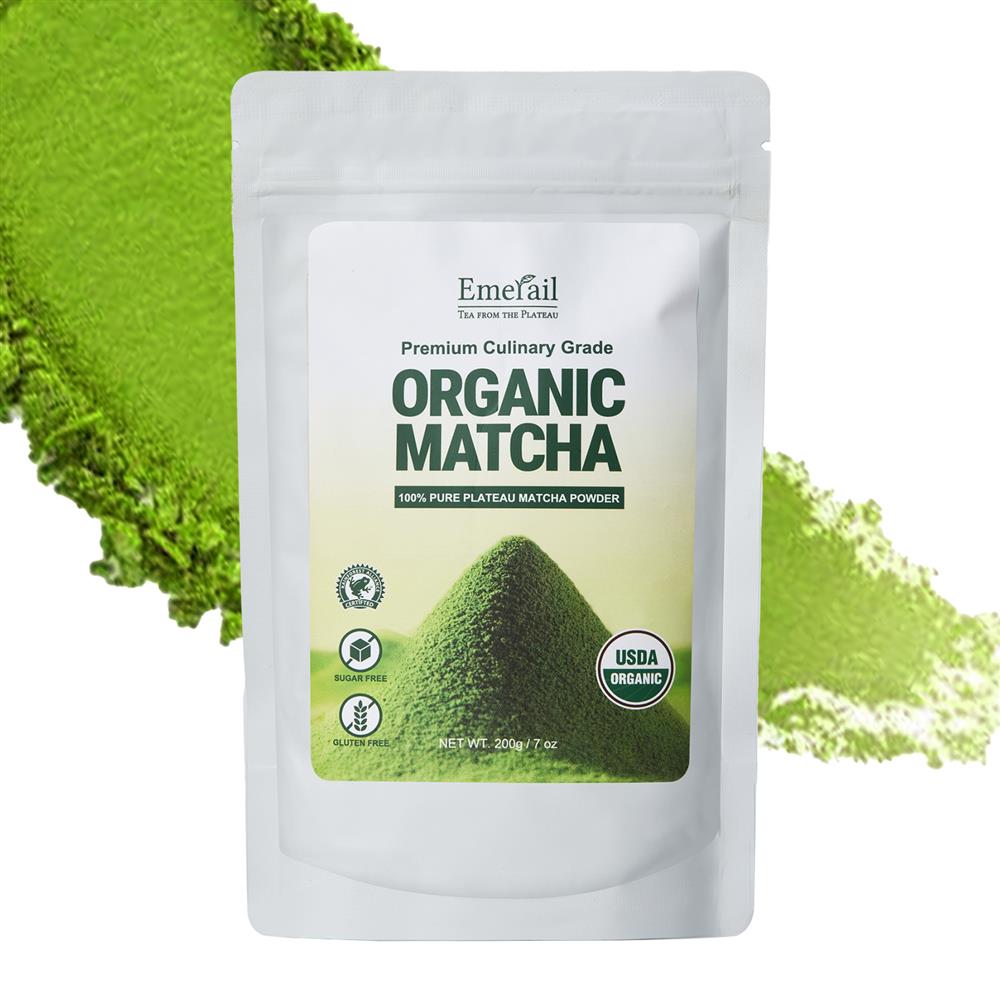
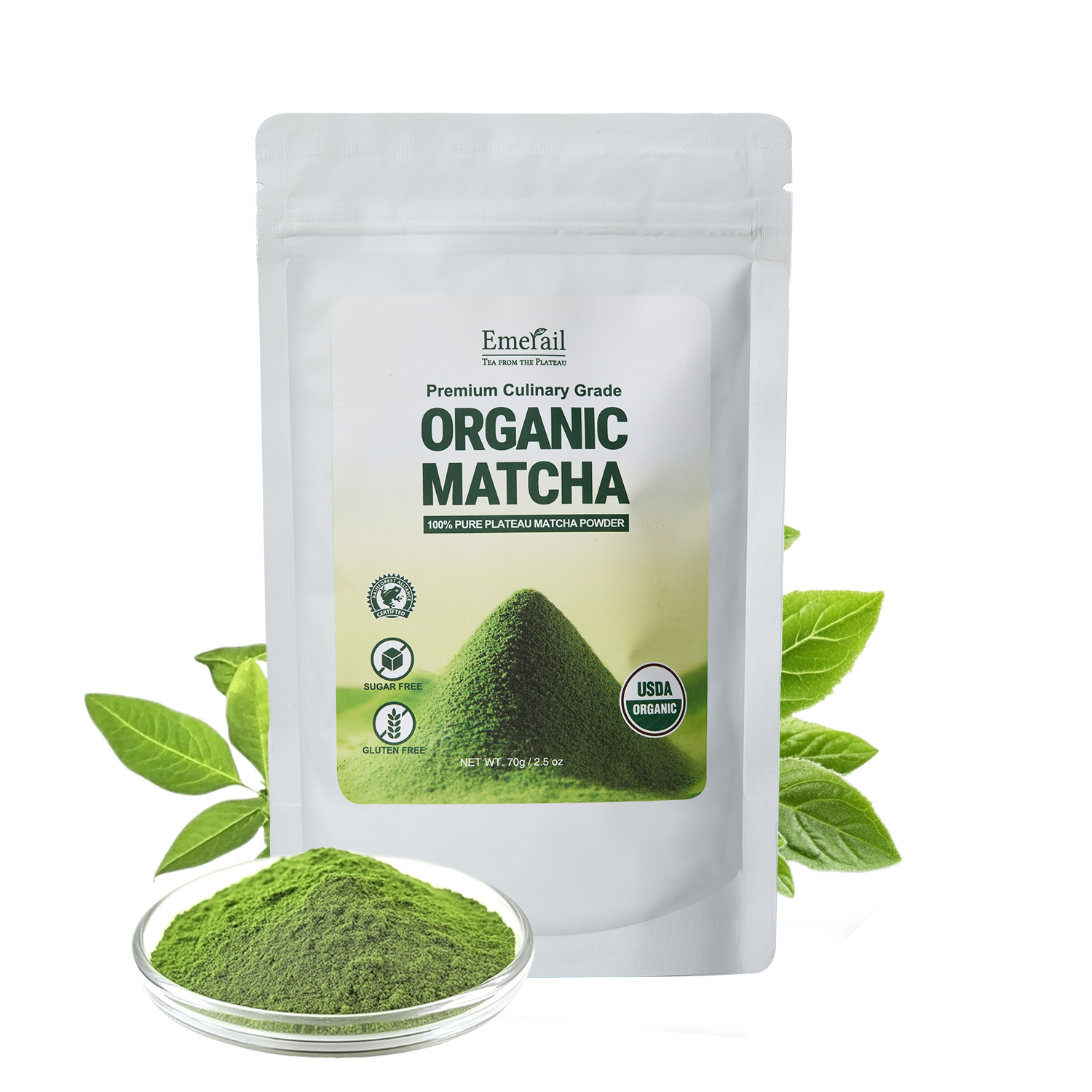
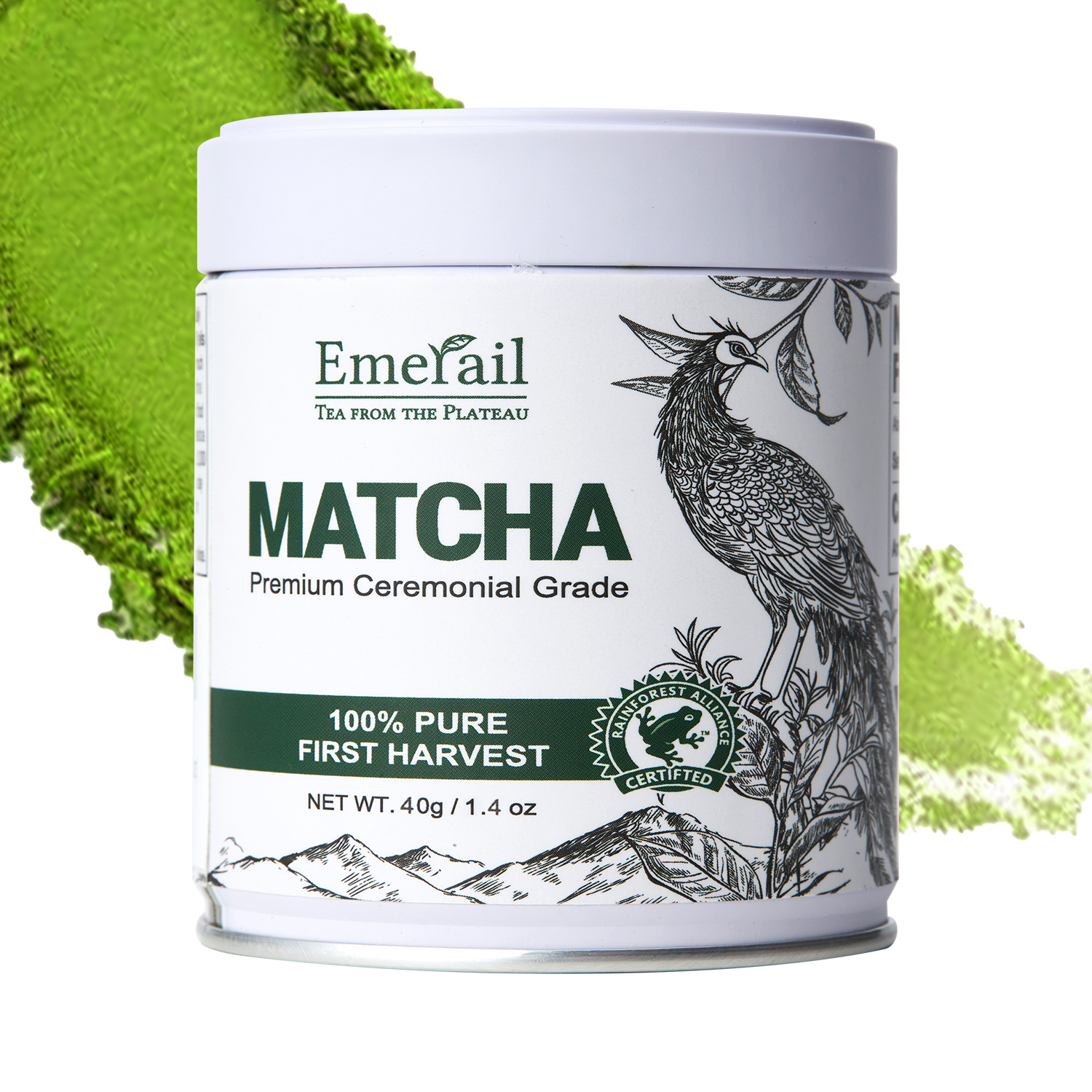
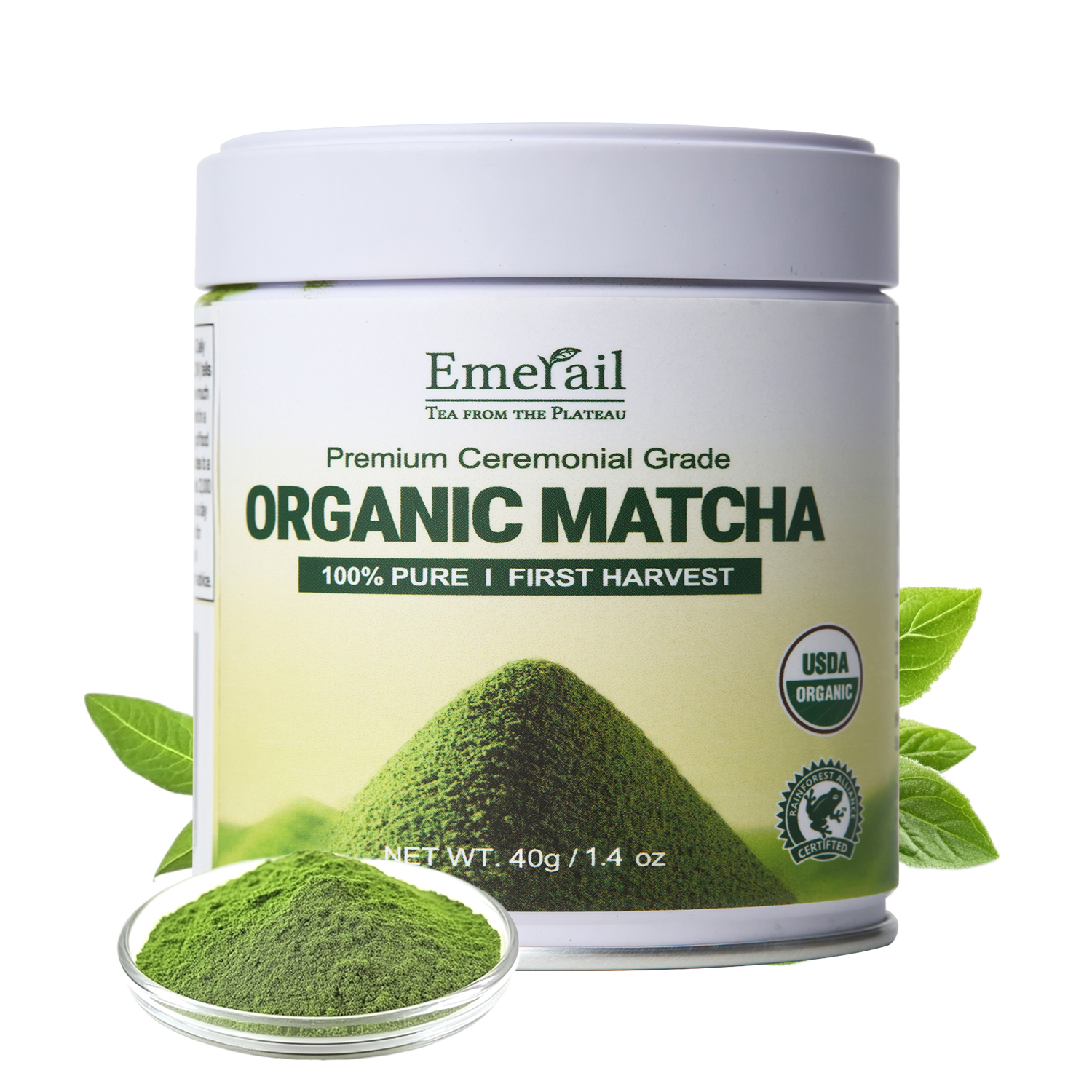
Don't let a busy schedule deprive you of your health. Grab a bottle, grab some ice, and shake up your day with Emerail's plateau pure Matcha Collection.