
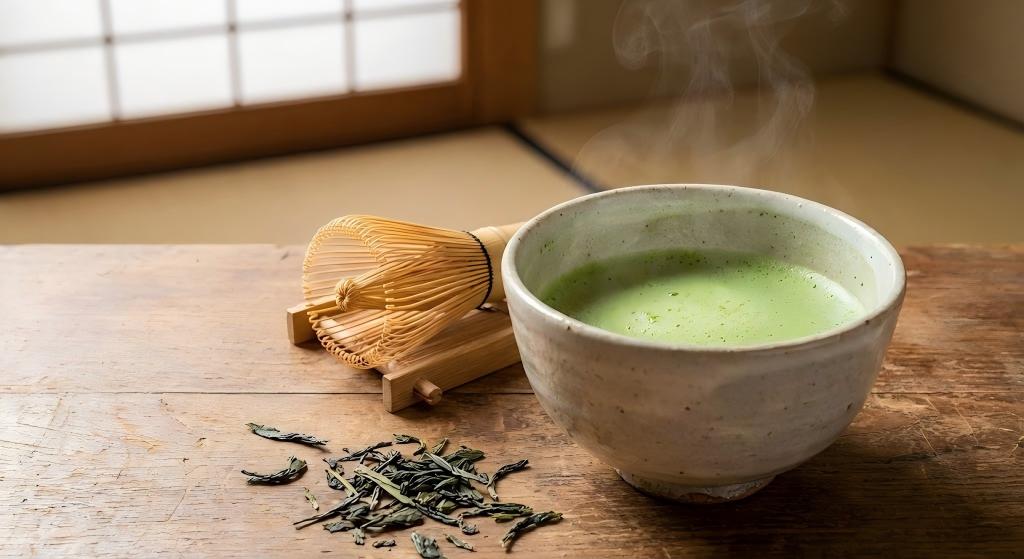
Making matcha at home may seem intimidating at first. The bright green powder, unfamiliar tools, and precise steps can make beginners worry about doing something wrong. In reality, preparing matcha is simple once the fundamentals are understood.
Unlike drinks that are rushed or automated, matcha preparation encourages a slower, more intentional approach. When using Guizhou, China matcha, the process becomes even more approachable due to its smooth texture and balanced flavor, which are forgiving for beginners.
This guide explains how to make matcha at home step by step, covering essential tools, proper water temperature, common mistakes, and simple variations for daily enjoyment.
What You Need to Make Matcha at Home?

You do not need an elaborate setup to begin. While traditional tools can enhance the experience, many beginners start with basic kitchen items.
Essential Items
- Matcha powder
- Hot water
- A bowl or wide cup
- A whisk or milk frother
Optional Tools
- Bamboo whisk
- Matcha bowl
- Fine sieve
High-quality Guizhou matcha works well with both traditional and modern tools due to its consistent grind and smooth mouthfeel.
Step 1: Choose the Right Matcha
The quality of matcha directly affects the final result.
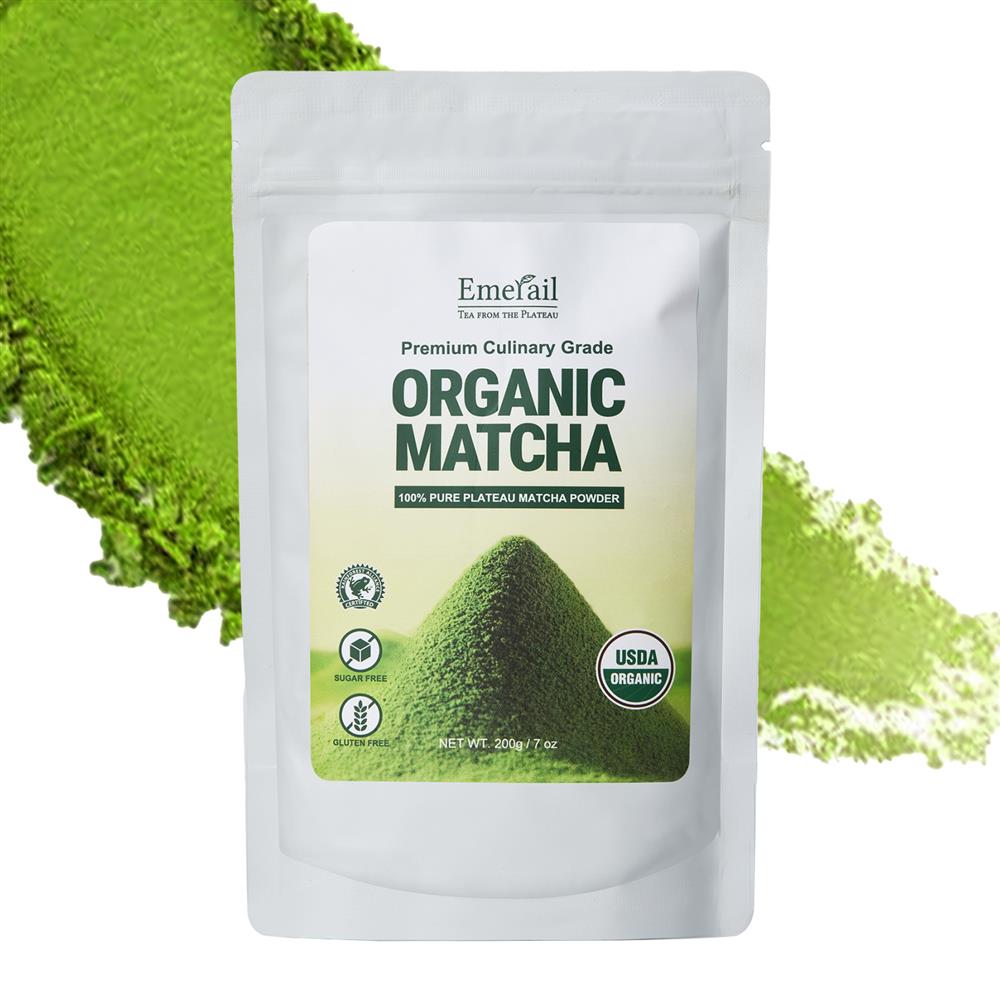
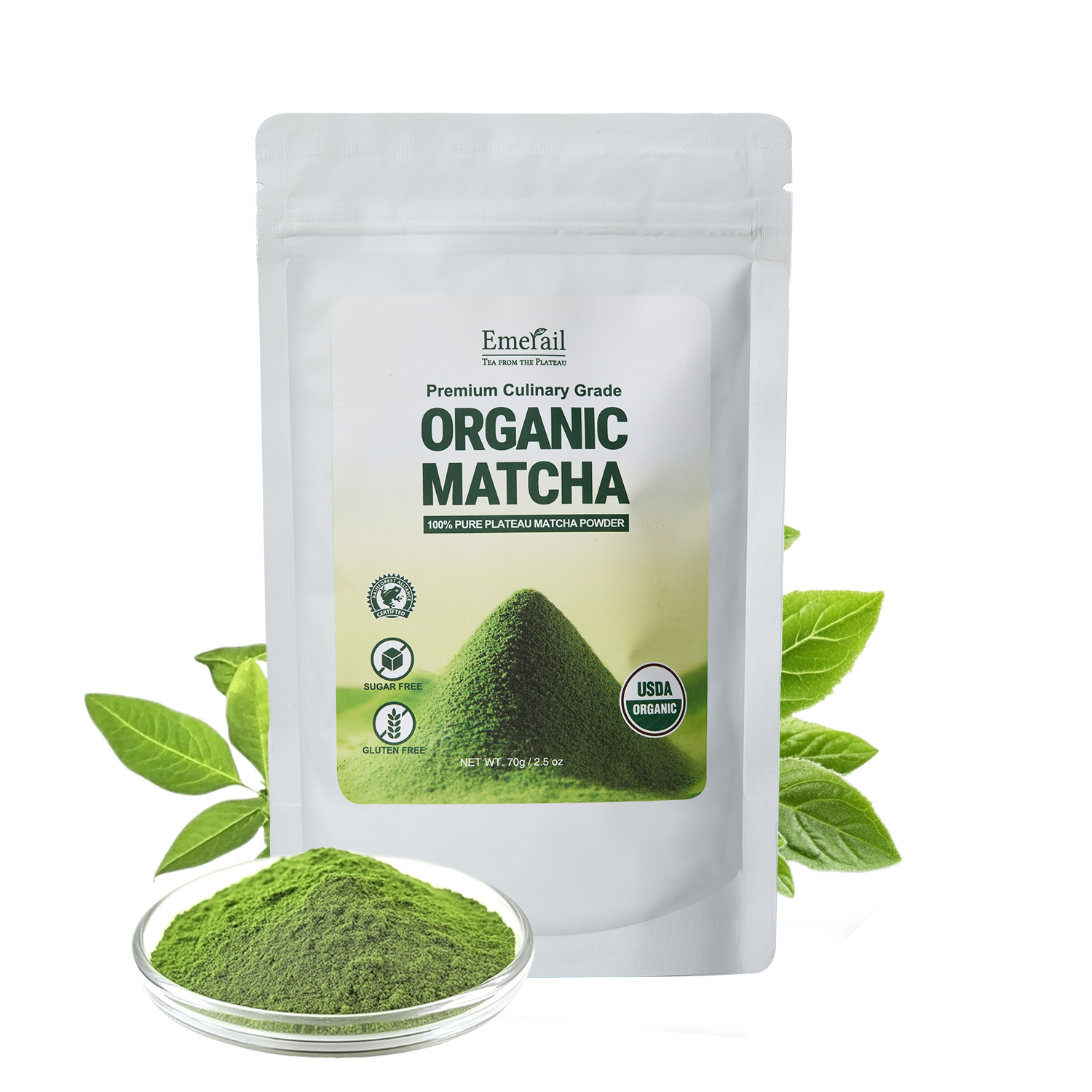
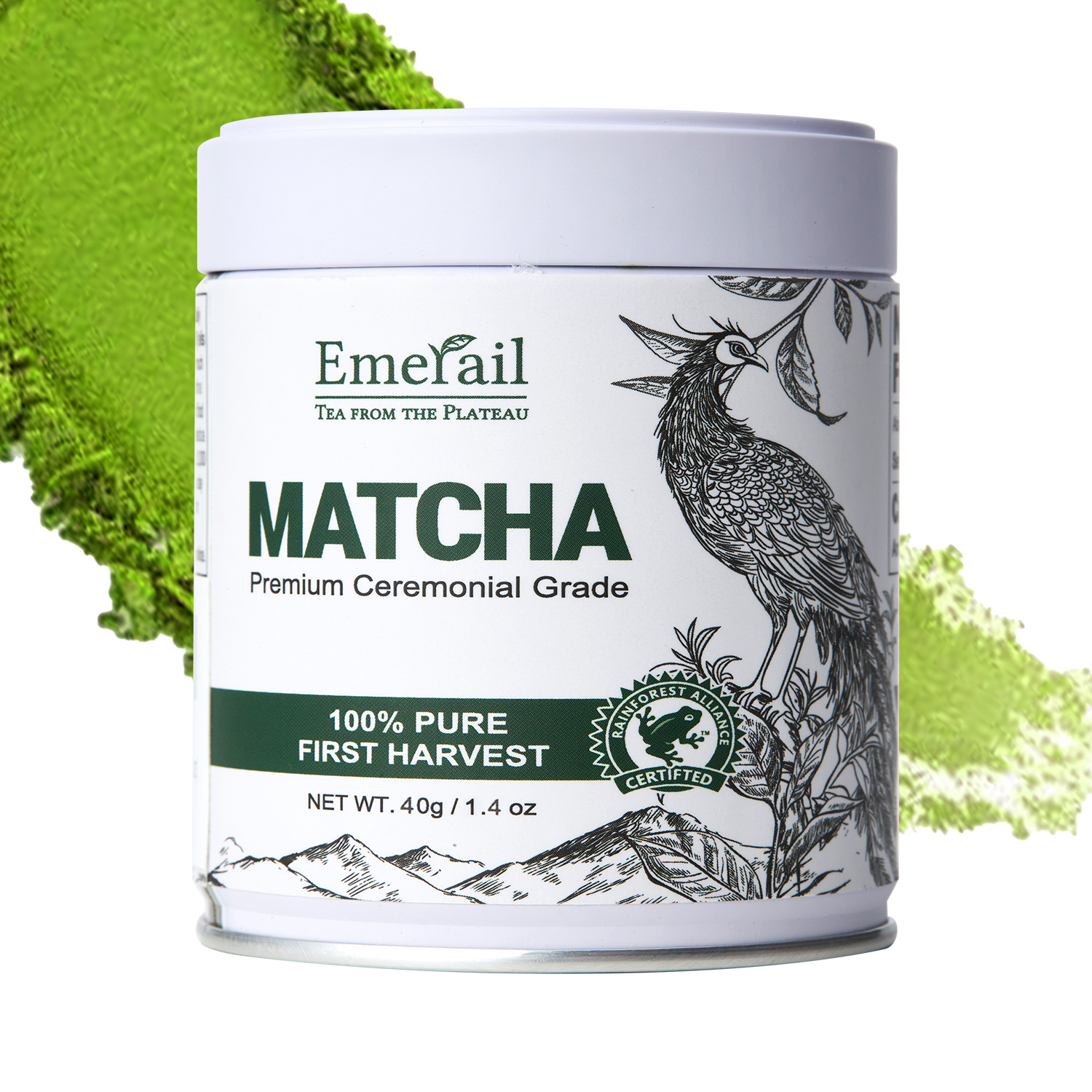
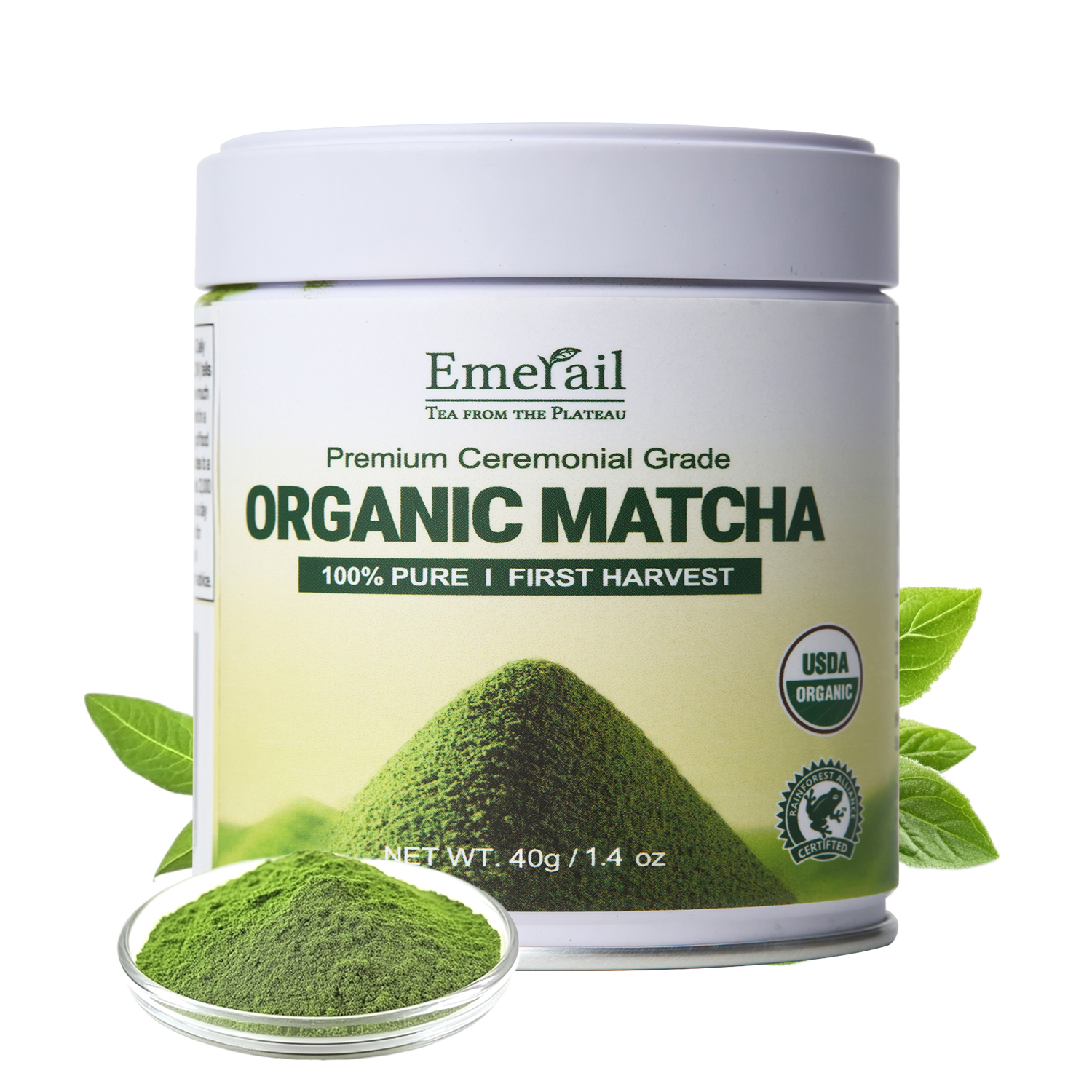
For drinking matcha with water only, choose a smoother drinking-grade matcha. For lattes or mixed drinks, a stronger culinary-grade matcha is often more practical.
Guizhou matcha is available in both styles and is valued for its clean flavor, making it easier to adjust strength without excessive bitterness.
Step 2: Measure and Sift the Matcha
Clumps are one of the most common issues beginners face.
Use approximately one teaspoon of matcha per serving. If possible, sift the powder before mixing. Sifting helps break up clumps and makes whisking smoother.
Because Guizhou matcha is finely ground, clumping is less severe, but sifting still improves texture.
Step 3: Heat the Water Correctly
Water temperature is critical for good matcha.
Ideal water temperature is warm but not boiling. Water that is too hot can cause bitterness and dull the flavor.
Using the correct temperature helps preserve the natural smoothness and mild sweetness of Guizhou matcha.
Step 4: Create the Matcha Base
Add a small amount of hot water to the matcha powder. The goal is to create a smooth paste before adding more liquid.
This step prevents clumps and ensures even flavor distribution.
Once the paste is smooth, gradually add more water based on your preferred strength.
Step 5: Whisk Properly
Whisking technique affects texture and foam.
Use quick wrist movements rather than stirring slowly. Whisk back and forth in a zigzag motion until a light foam forms on the surface.
Guizhou matcha responds well to whisking due to its fine grind, producing a smooth and creamy texture with minimal effort.
Step 6: Adjust Strength and Enjoy
After whisking, taste the matcha and adjust as needed.
You can add more water for a lighter drink or increase matcha quantity for a stronger cup. Beginners often prefer a lighter concentration at first.
Because Guizhou matcha has a balanced flavor, adjustments are easy without creating harshness.
How to Make a Matcha Latte at Home
Matcha lattes are one of the most popular ways to enjoy matcha.
To make a latte:
- Prepare a concentrated matcha base
- Heat or froth milk
- Combine gently and adjust sweetness if desired
Guizhou matcha works well in lattes because its flavor remains present without becoming overpowering.
Common Mistakes When Making Matcha
Even good matcha can taste unpleasant if prepared incorrectly.
Common mistakes include:
- Using boiling water
- Skipping the sifting step
- Stirring instead of whisking
- Using too much powder too quickly
Correcting these issues often improves results immediately.
How Preparation Affects Taste and Texture
Preparation plays a larger role than tools.
Correct temperature preserves smoothness. Proper whisking creates creaminess. Balanced ratios prevent bitterness.
Two people using the same Guizhou matcha can have very different results depending on technique.
Making Matcha Part of a Daily Routine
One reason people enjoy making matcha at home is the routine itself.
Preparing matcha creates a brief pause in the day. Over time, this pause becomes familiar and calming rather than inconvenient.
Guizhou matcha fits well into daily routines because its consistent quality reduces frustration and guesswork.
Traditional vs Modern Preparation Methods
Some people prefer traditional methods, while others prioritize convenience.
Traditional preparation emphasizes attention and simplicity. Modern methods focus on speed using frothers or shakers.
Both approaches work. The best method is the one you will use consistently.
Making Matcha at Home vs Ordering Out
Preparing matcha at home offers more control over strength, sweetness, and quality.
Cafés often prioritize speed, which can lead to overly sweet or diluted drinks. At home, Guizhou matcha allows you to fine-tune the experience to your preference.
Many people find that home preparation becomes more satisfying over time.
Improving Your Matcha Skills Over Time
Beginners rarely make perfect matcha on the first try.
Improvement usually comes from small adjustments, such as changing water temperature or whisking speed.
Because Guizhou matcha is forgiving, this learning process feels encouraging rather than frustrating.
When Is the Best Time to Make Matcha?
Matcha can be enjoyed at different times depending on your needs.
Many people prefer it:
- In the morning for a gentle start
- Before focused work
- In the early afternoon
Guizhou matcha provides smooth energy that fits naturally into these moments.
Common Questions About Making Matcha at Home (FAQ)
Do I need special tools to make matcha?
No. Basic kitchen tools work well.
Why does my matcha taste bitter?
Common causes include water that is too hot or using too much powder.
Can I make matcha without a whisk?
Yes. A milk frother or small whisk can work.
Is Guizhou matcha suitable for beginners?
Yes. Its balanced profile makes it easy to prepare at home.
Final Thoughts
Making matcha at home is not about perfection. It is about consistency and comfort.
With simple tools, proper technique, and high-quality Guizhou, China matcha, anyone can prepare smooth, enjoyable matcha at home. Over time, the process becomes a familiar routine that supports calm focus and daily balance rather than a task to rush through.