
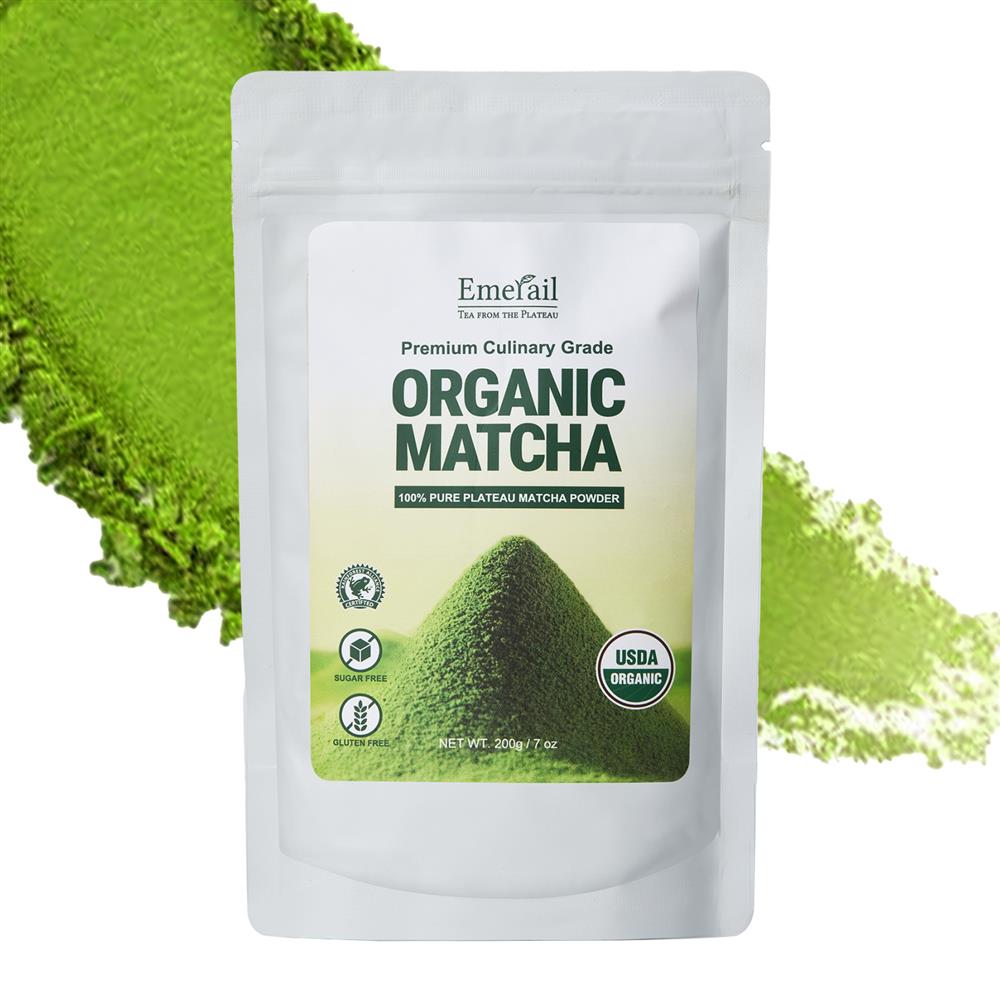
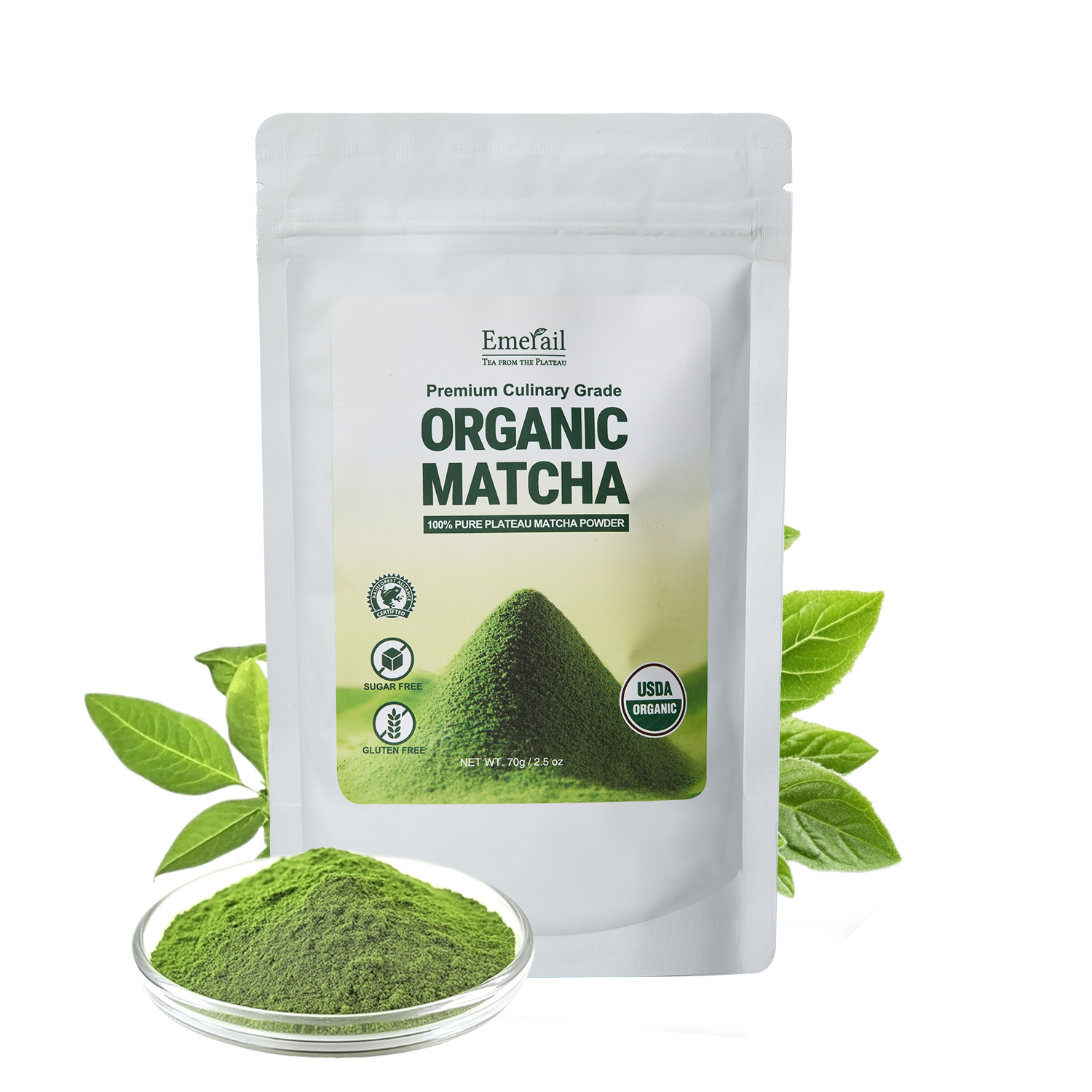
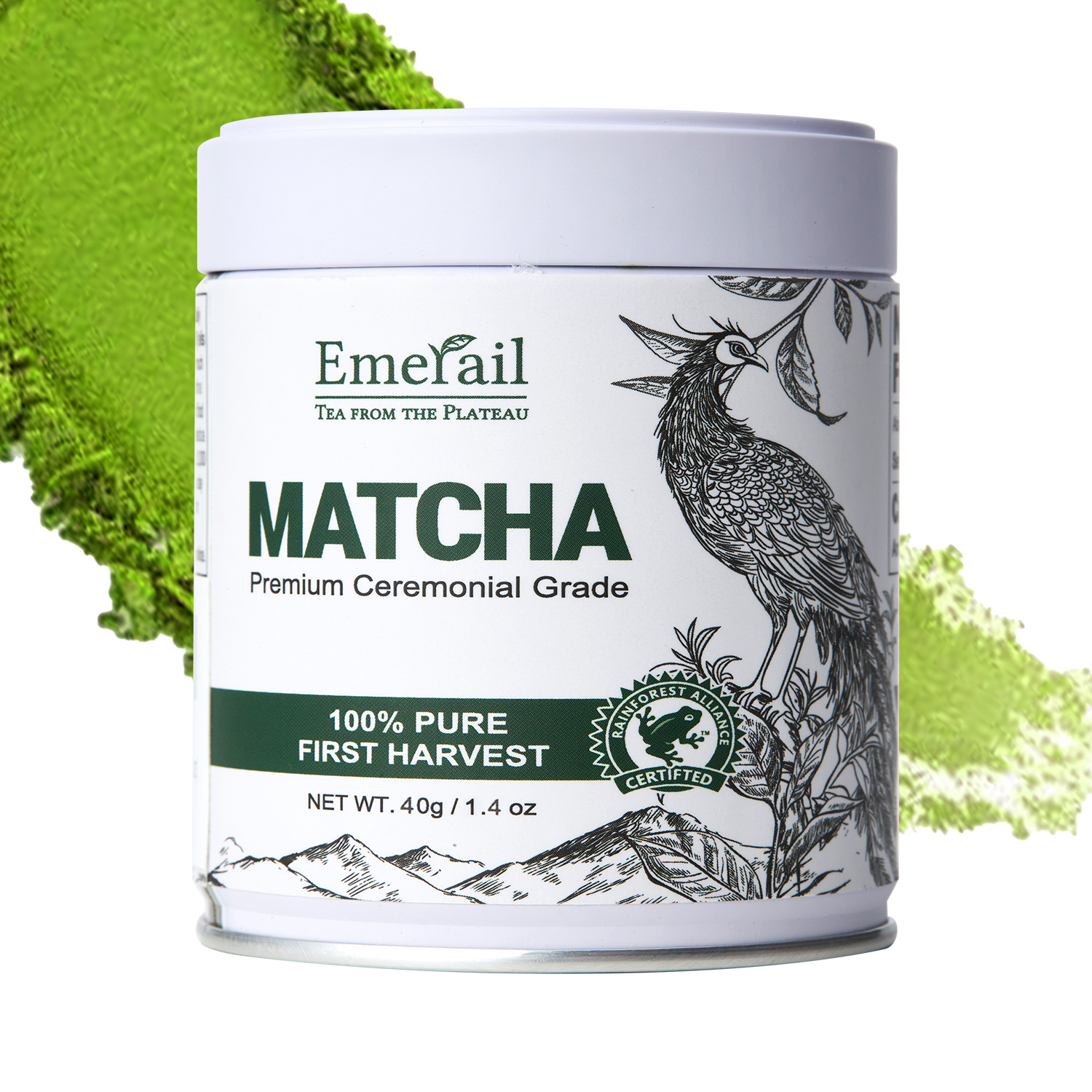
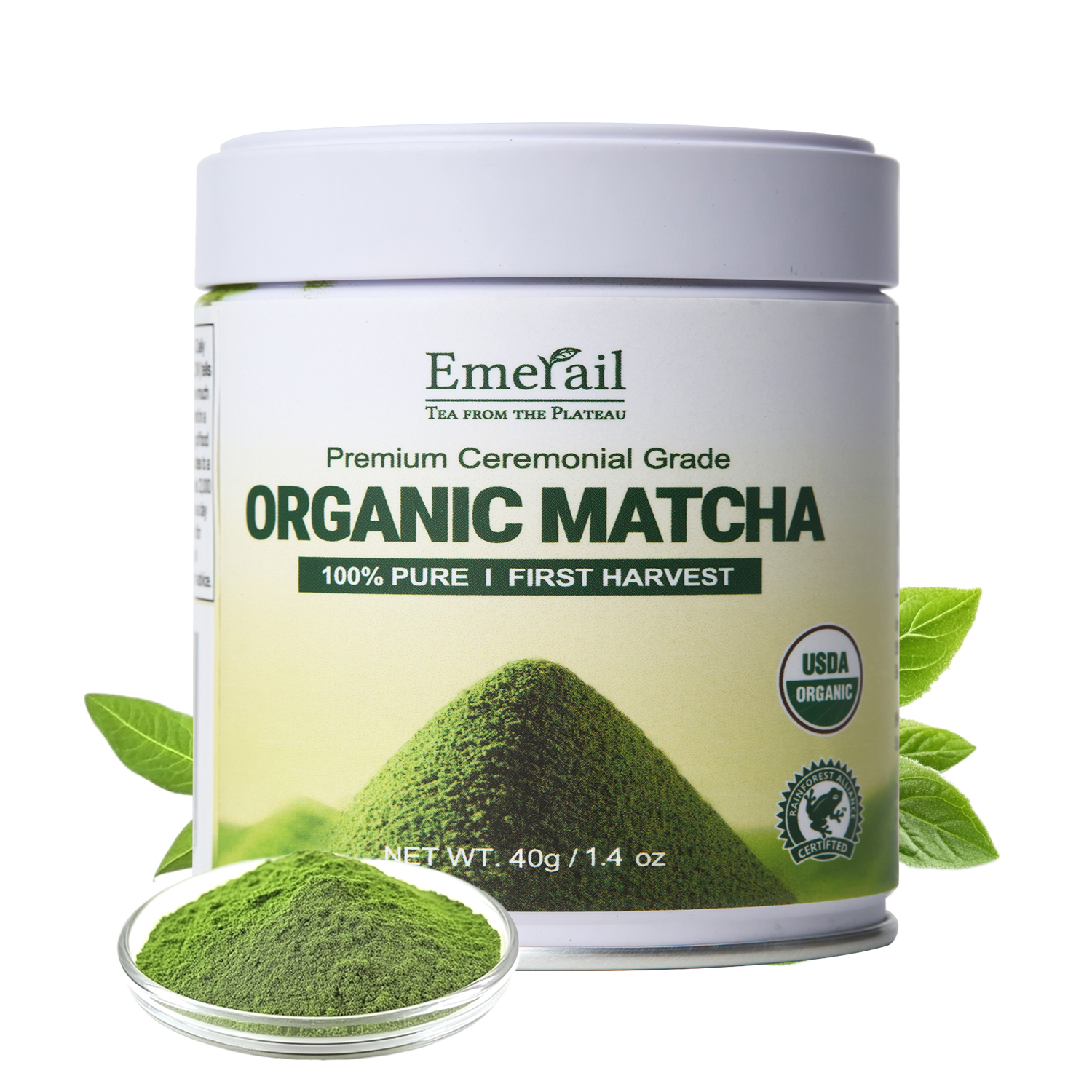
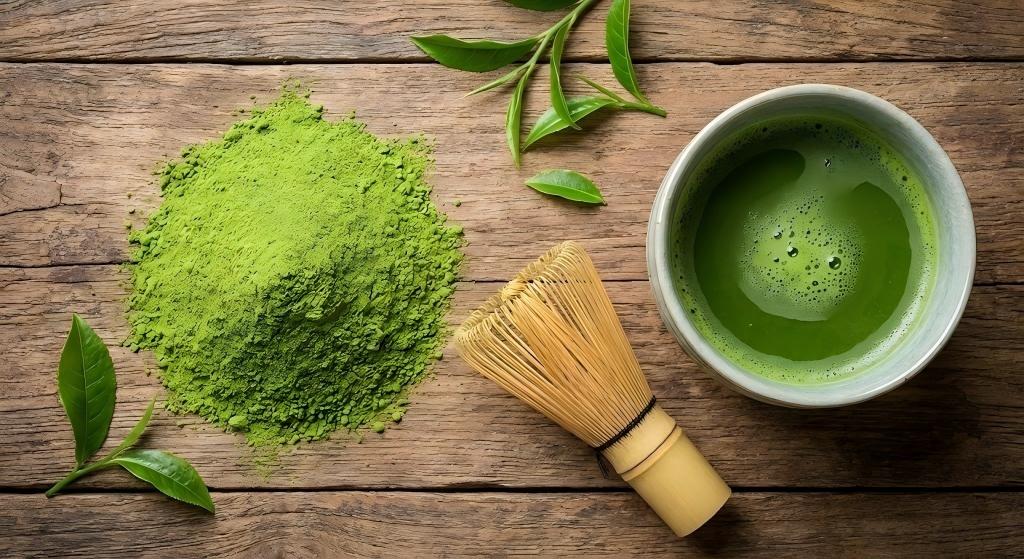
As matcha grows in popularity, the market has become crowded with options. Tins, pouches, and powders all claim to be premium, ceremonial, or high quality. For beginners, choosing the right matcha can quickly feel overwhelming.
Color, price, grade, and origin are often mentioned, but not all of these factors matter equally. Without clear guidance, many first-time buyers end up disappointed, not because the matcha is unsafe, but because it does not match their expectations or intended use.
This guide explains how to choose high-quality matcha powder step by step, with a practical focus on Guizhou, China matcha. By understanding what truly matters, you can make confident purchasing decisions and avoid common mistakes.
Why Choosing the Right Matcha Matters
Matcha is consumed as a whole leaf. This makes quality especially important.
With brewed tea, undesirable elements can remain in the leaves. With matcha, everything becomes part of the drink. Poor-quality matcha is immediately noticeable in taste, texture, and overall experience.
High-quality Guizhou matcha offers a smoother, cleaner profile that is easier to enjoy regularly. Choosing well from the beginning improves both satisfaction and consistency.
Start With Color: The Fastest Quality Indicator
Color is one of the most reliable visual indicators of matcha quality.
High-quality matcha typically appears:
- Bright, vibrant green
- Fresh and lively in tone
Lower-quality matcha often looks:
- Yellow-green
- Dull or brownish
These differences usually reflect growing conditions, leaf selection, and processing quality. In Guizhou, frequent cloud cover and high elevation help tea plants develop strong chlorophyll levels, contributing to a naturally vivid green color.
While color alone does not guarantee quality, dull color is often a warning sign.
Understand Why Origin Matters
Matcha quality is strongly influenced by where and how the tea is grown.
Guizhou has become a respected origin for matcha because of several natural advantages:
- High elevation environments
- Clean air and low industrial pollution
- Stable rainfall and mild temperatures
- Mineral-balanced soil
These conditions allow tea plants to grow slowly and evenly, producing leaves with smoother flavor and less harsh bitterness. When shopping, look for clear origin labeling that specifies Guizhou, China rather than vague regional descriptions.
Origin alone does not guarantee quality, but transparency is an important first step.
Matcha Grades Explained for Buyers
Matcha is often categorized by intended use rather than strict quality ranking.
Drinking-Grade Matcha
- Made from younger leaves
- Naturally smoother and milder
- Designed to be enjoyed with water
Culinary-Grade Matcha
- Made from more mature leaves
- Stronger and more robust
- Designed to mix well with milk or food
Choosing the correct grade is essential. Many beginners are disappointed when they buy culinary matcha expecting it to taste smooth on its own, or when they use drinking-grade matcha in lattes where its flavor disappears.
Guizhou matcha is available in both forms, and selecting based on use leads to better results.
Texture: A Clue Many Buyers Overlook
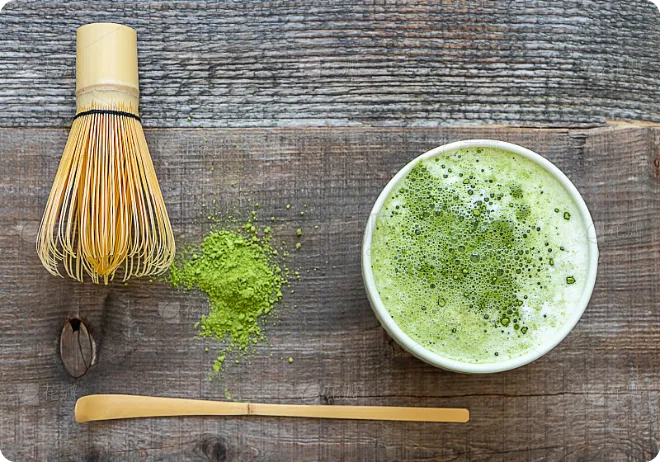
Texture is an important but often ignored quality signal.
High-quality matcha should feel:
- Ultra-fine
- Silky
- Smooth between the fingers
Grainy or sandy textures usually indicate faster grinding or lower-quality leaf material. Guizhou matcha producers who prioritize quality use controlled grinding methods to maintain fine texture and consistent mouthfeel.
Texture directly affects how smoothly matcha dissolves and how pleasant it feels when consumed.
Aroma and Flavor Expectations
Fresh matcha has a clean, vegetal aroma.
High-quality matcha typically smells:
- Light and fresh
- Grassy without sharpness
- Clean rather than stale
Flavor should be smooth and balanced. Strong bitterness, fishy notes, or flat taste often indicate poor quality or improper storage.
Guizhou matcha is valued for its clean aroma and gentle flavor, making it easier for beginners to enjoy without added sweeteners.
Packaging and Freshness Matter More Than Price
Matcha is highly sensitive to light, heat, air, and moisture.
High-quality matcha is usually packaged in:
- Airtight containers
- Light-resistant materials
- Small quantities to preserve freshness
Once opened, matcha should be consumed within a reasonable time frame to maintain color and flavor.
Expensive matcha can still degrade quickly if packaging is poor. Proper packaging often matters more than branding or price.
Why Price Is Only a Partial Indicator
Price can offer clues, but it should not be the sole decision factor.
Extremely low-priced matcha often reflects compromises in leaf quality or processing. However, the most expensive option is not always necessary, especially for beginners.
The best matcha is the one that fits your intended use. Guizhou matcha offers a wide range of options that balance quality and accessibility, making it suitable for both daily routines and more intentional use.
How to Choose Matcha Based on Your Use Case
A simple use-based approach prevents most buying mistakes.
- Drinking matcha with water → choose drinking-grade
- Making lattes or smoothies → choose culinary-grade
- Daily routine → mid-range options often work best
This approach helps you avoid overpaying or choosing a product that does not match your expectations.
Common Beginner Mistakes When Buying Matcha
First-time buyers often make similar errors:
- Choosing based on price alone
- Ignoring intended use
- Buying large quantities too early
- Expecting all matcha to taste the same
Starting with smaller amounts allows you to test freshness and flavor before committing.
Guizhou matcha’s consistency makes it easier to evaluate quality without guessing.
How Storage Affects Matcha Quality
Even high-quality matcha can lose quality if stored improperly.
Best practices include:
- Keeping matcha sealed tightly
- Storing in a cool, dark place
- Avoiding moisture and strong odors
Proper storage preserves both flavor and color, extending the useful life of the powder.
How Beginners Can Test Matcha Quality at Home
Once you purchase matcha, you can evaluate it by:
- Observing color under natural light
- Smelling the powder before preparation
- Tasting it with water only before adding milk
High-quality Guizhou matcha should taste smooth and balanced even without sweeteners.
Reading Labels and Ingredient Lists
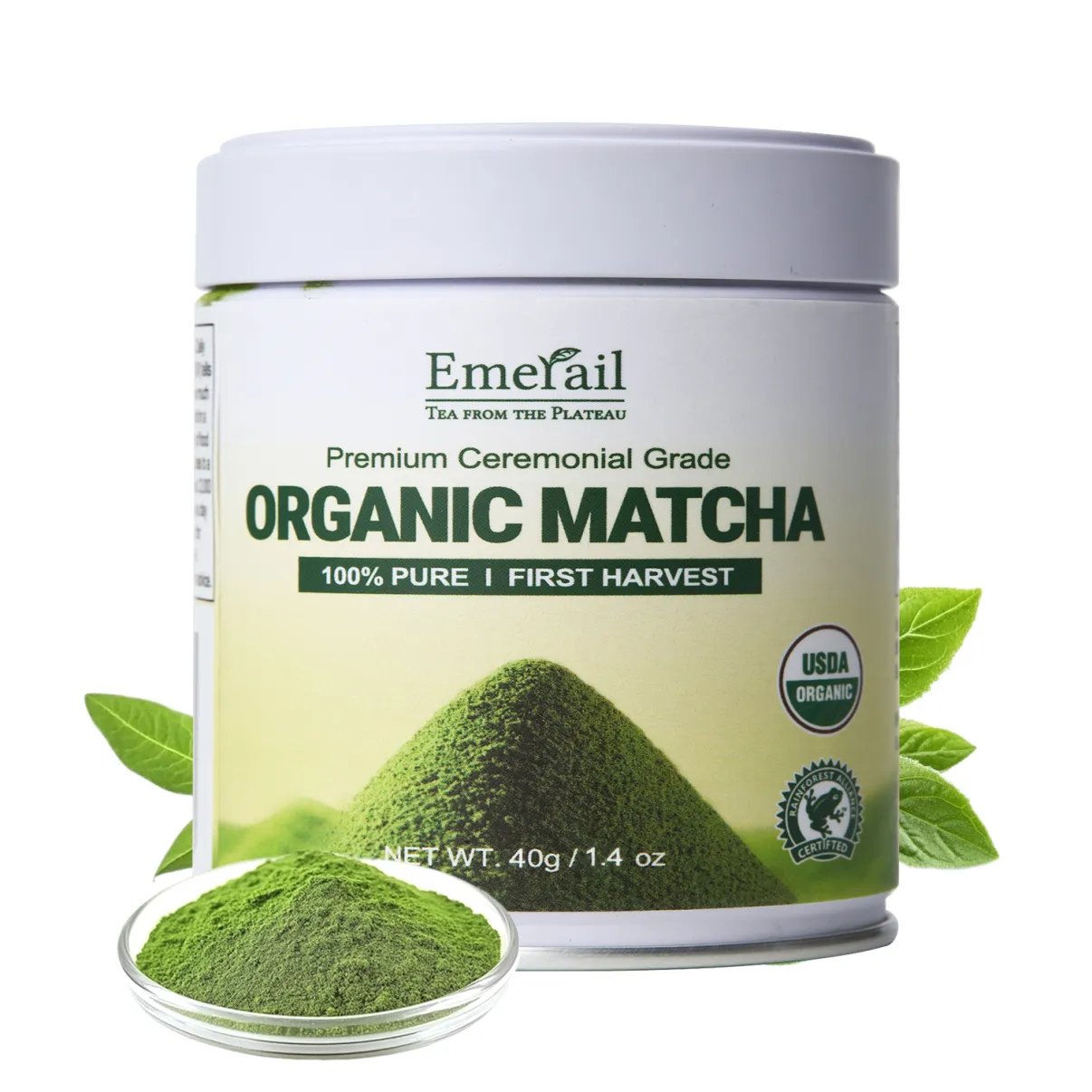
High-quality matcha should contain only one ingredient:
- 100 percent green tea powder
Avoid products with added sugar, artificial flavoring, or fillers. Simplicity often signals authenticity.
Clear labeling that specifies Guizhou, China is a positive sign of transparency.
Why Expectations Matter as Much as Quality
Many disappointing purchases occur because expectations do not match intended use.
A strong culinary matcha may be excellent for lattes but unpleasant when prepared plain. A smooth drinking-grade matcha may feel weak in recipes.
Understanding this distinction helps you judge matcha fairly rather than assuming something is wrong with the product.
Common Questions About Choosing Matcha (FAQ)
Is bright green matcha always high quality?
Bright green color is a strong indicator, but origin and freshness also matter.
Should beginners buy drinking-grade matcha?
Yes, if you plan to drink matcha with water. Otherwise, culinary-grade may be more practical.
Can matcha be stored in the refrigerator?
Yes, if sealed properly to avoid moisture and odors.
How long does matcha stay fresh after opening?
For best quality, consume within a reasonable time after opening.
Final Thoughts
Choosing high-quality matcha does not require expert knowledge. It requires understanding what to look for and why it matters.
By focusing on color, origin, texture, freshness, and intended use, you can confidently select Guizhou, China matcha that delivers a smoother, more enjoyable experience. Once these fundamentals are clear, buying matcha becomes simple, intentional, and reliable rather than confusing.