

HOW MATCHA AFFECTS GUT HEALTH: WHAT THE SCIENCE & RITUAL SUGGEST
Matcha isn’t just a trendy green powder — because you consume the whole leaf (not a steeped infusion), matcha delivers concentrated plant nutrients that can influence digestion and gut health. Below is a concise, practical guide to how matcha interacts with your digestive system, and how to use it as a gentle, daily support.
Key ways matcha may help gut health
Whole-leaf nutrition: Matcha powder contains the entire leaf’s fiber, chlorophyll and plant compounds. That means you’re consuming more polyphenols and beneficial compounds than with brewed green tea alone.
Polyphenols & EGCG: Matcha is rich in EGCG and other polyphenols. These compounds have antioxidant and anti-inflammatory properties that can help protect the gut lining and support a balanced microbiome when combined with a healthy diet.
Potential prebiotic effects: Some tea polyphenols can act like prebiotics — they’re metabolized by certain gut bacteria and may promote beneficial strains. This is a subtle, long-term effect rather than an instant fix.
Gentler than strong coffee: Many people find matcha less irritating to the stomach than hot black coffee because it’s less acidic and provides a smoother caffeine experience due to L-theanine.
Hydration & ritual: The act of pausing to prepare and sip matcha (hot or iced) encourages mindful eating/drinking and better hydration, both helpful for regular digestion.
Practical tips for using matcha to support digestion
Start small: ½–1 tsp per serving is enough for daily benefits. If you’re new, begin with ½ tsp.
Pair with fiber & probiotics: Matcha is best used within a balanced diet — combine with fiber-rich foods, fermented foods, or a probiotic to support microbiome diversity.
Time it wisely: If you’re sensitive to caffeine or have GERD, avoid large servings on an empty stomach. Try matcha after breakfast or with a snack.
Stay consistent: Microbiome effects take time — regular moderate intake (most days, not mega-doses) is more effective than occasional large amounts.
Watch for individual responses: Some people notice increased bowel movement regularity (a common search: does matcha make you poop). That’s usually mild and dose-dependent.
Safety notes
- If pregnant, breastfeeding, or taking medications, consult your healthcare provider about daily caffeine and herb interactions.
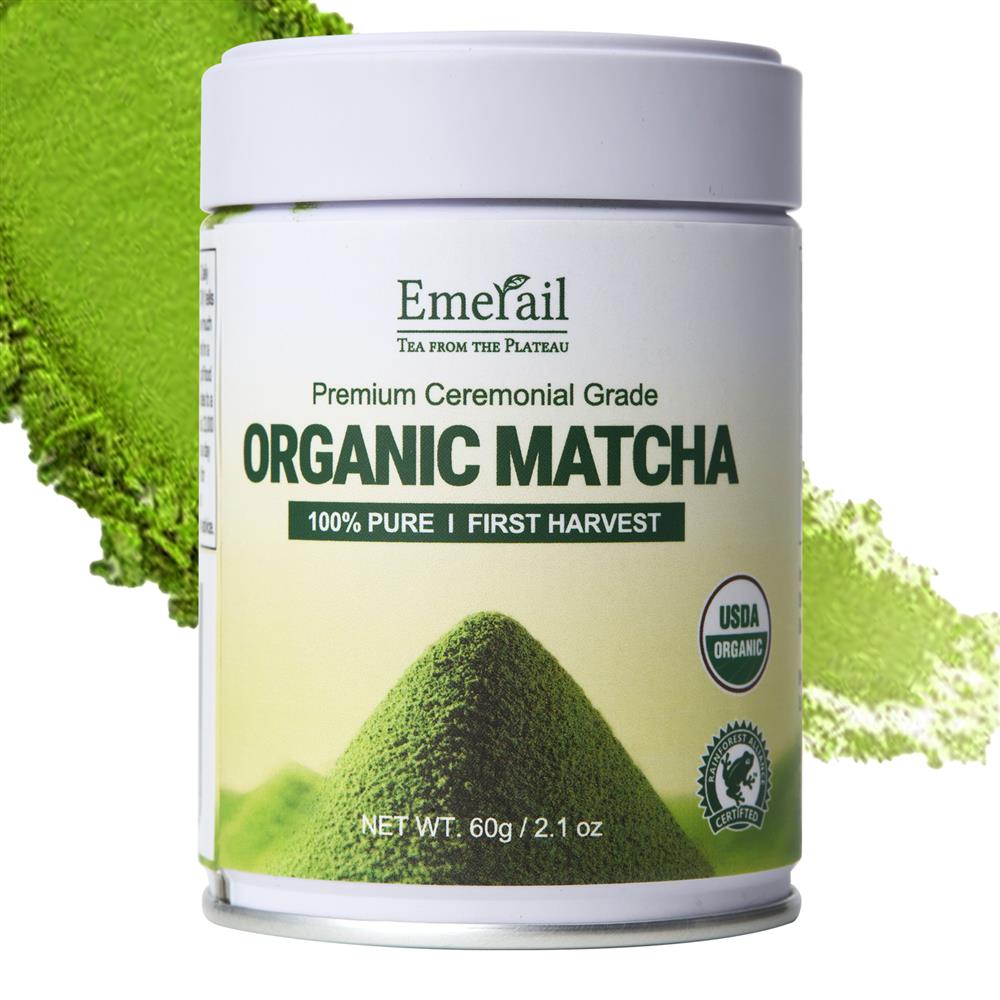
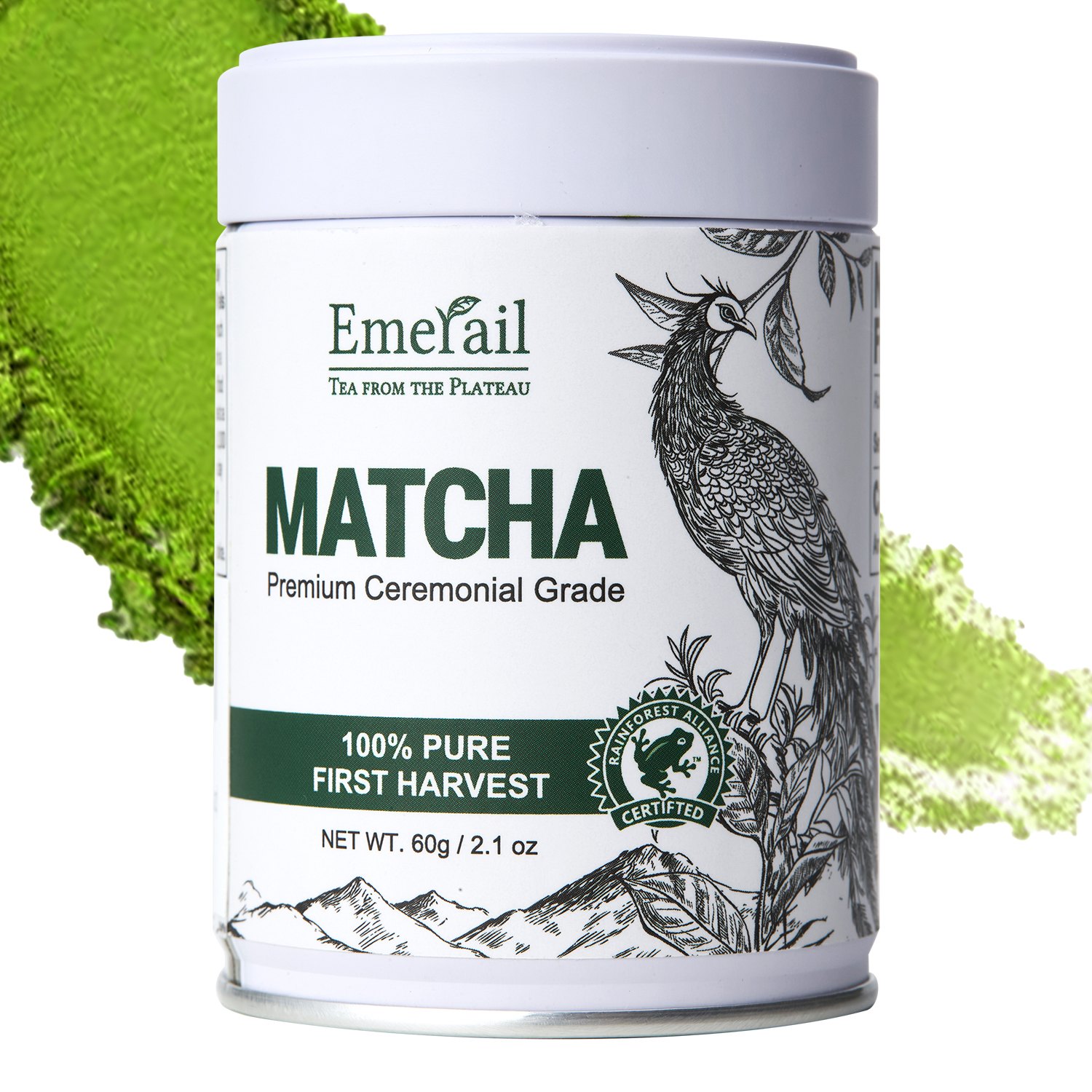
- Choose USDA organic and lab-tested matcha when possible to reduce contaminant risk. Emerail organic matcha meets USDA safety standards and is grown without pesticides. You can rest assured to choose it.
Bottom line: Matcha can be a gentle, antioxidant-rich addition to a gut-healthy routine — especially when paired with good diet, hydration, and mindful habits. It’s not a cure, but a supportive daily ritual.