
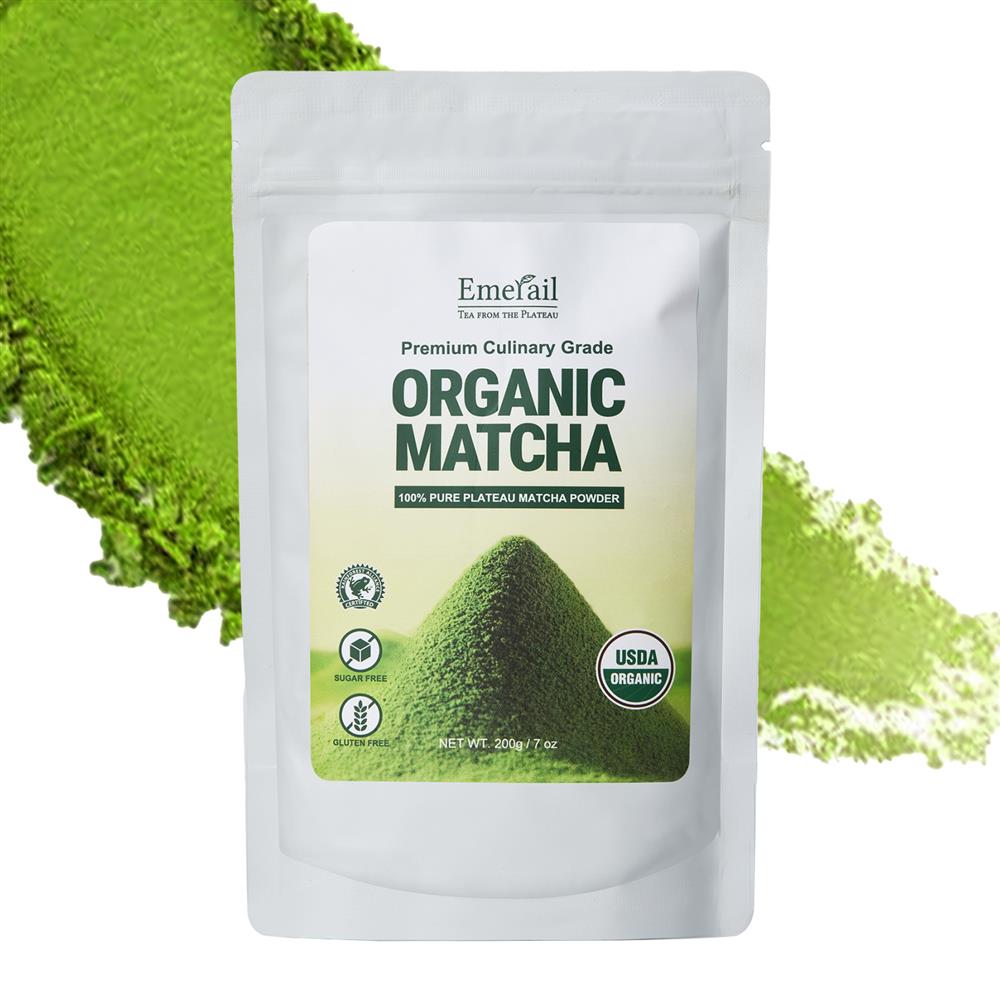
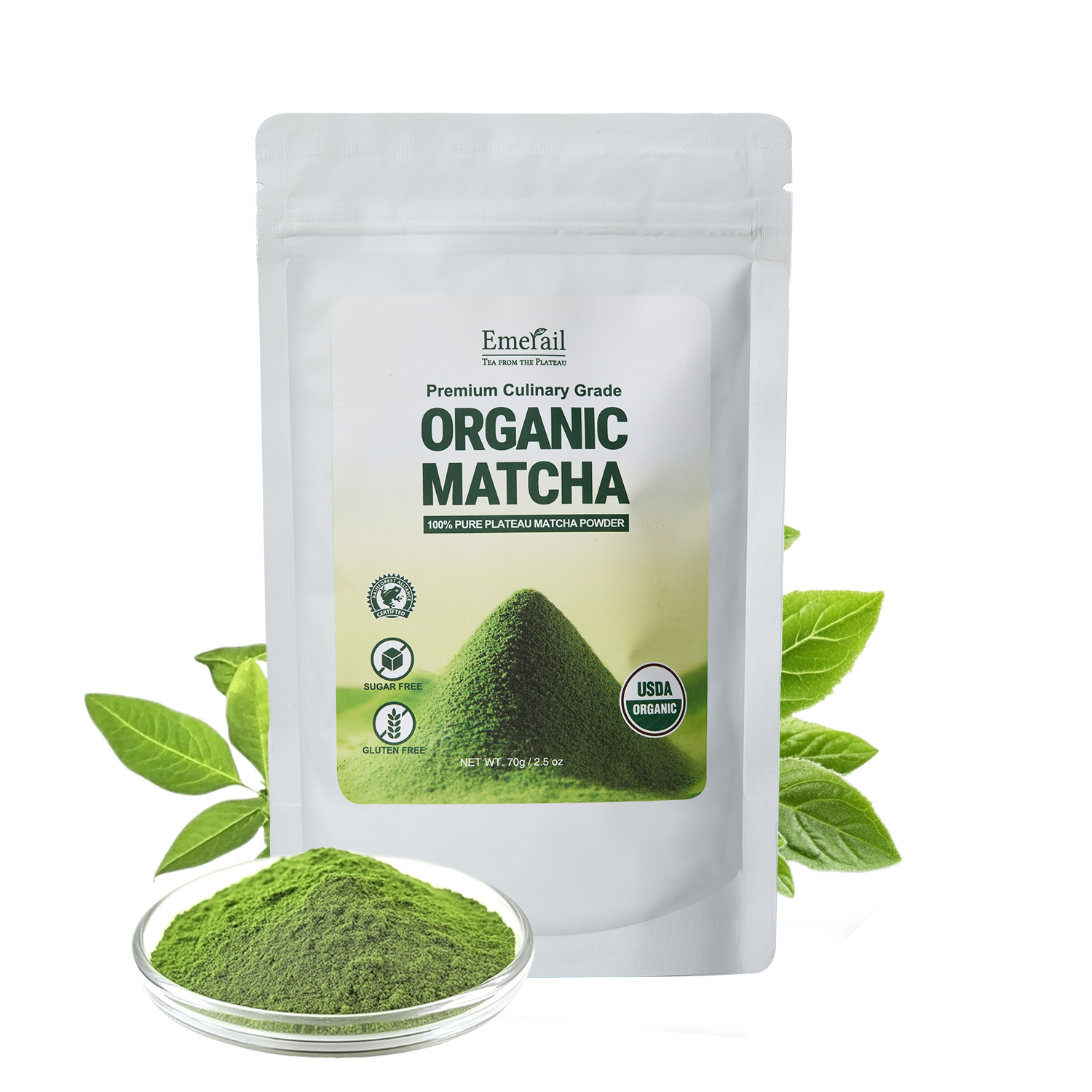
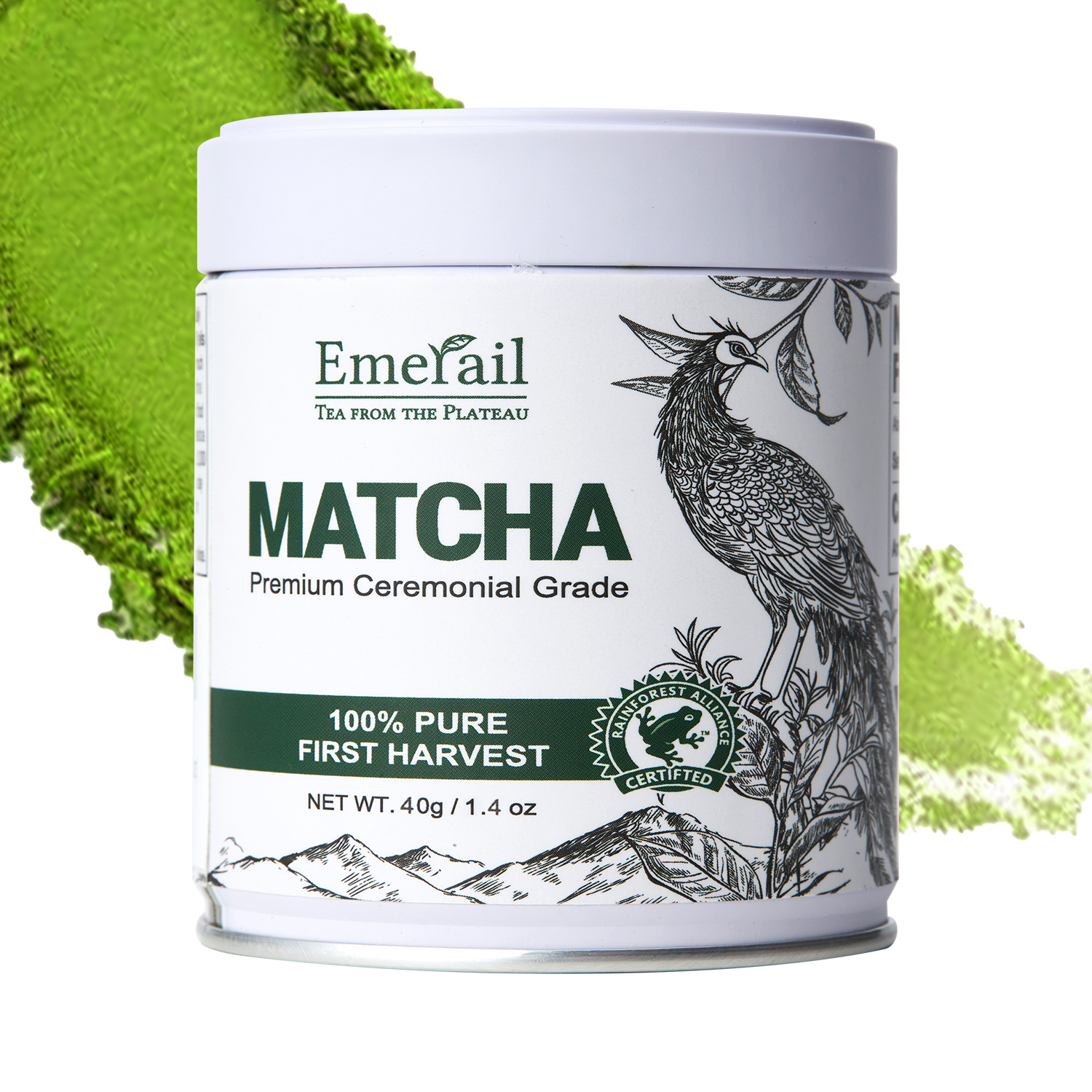
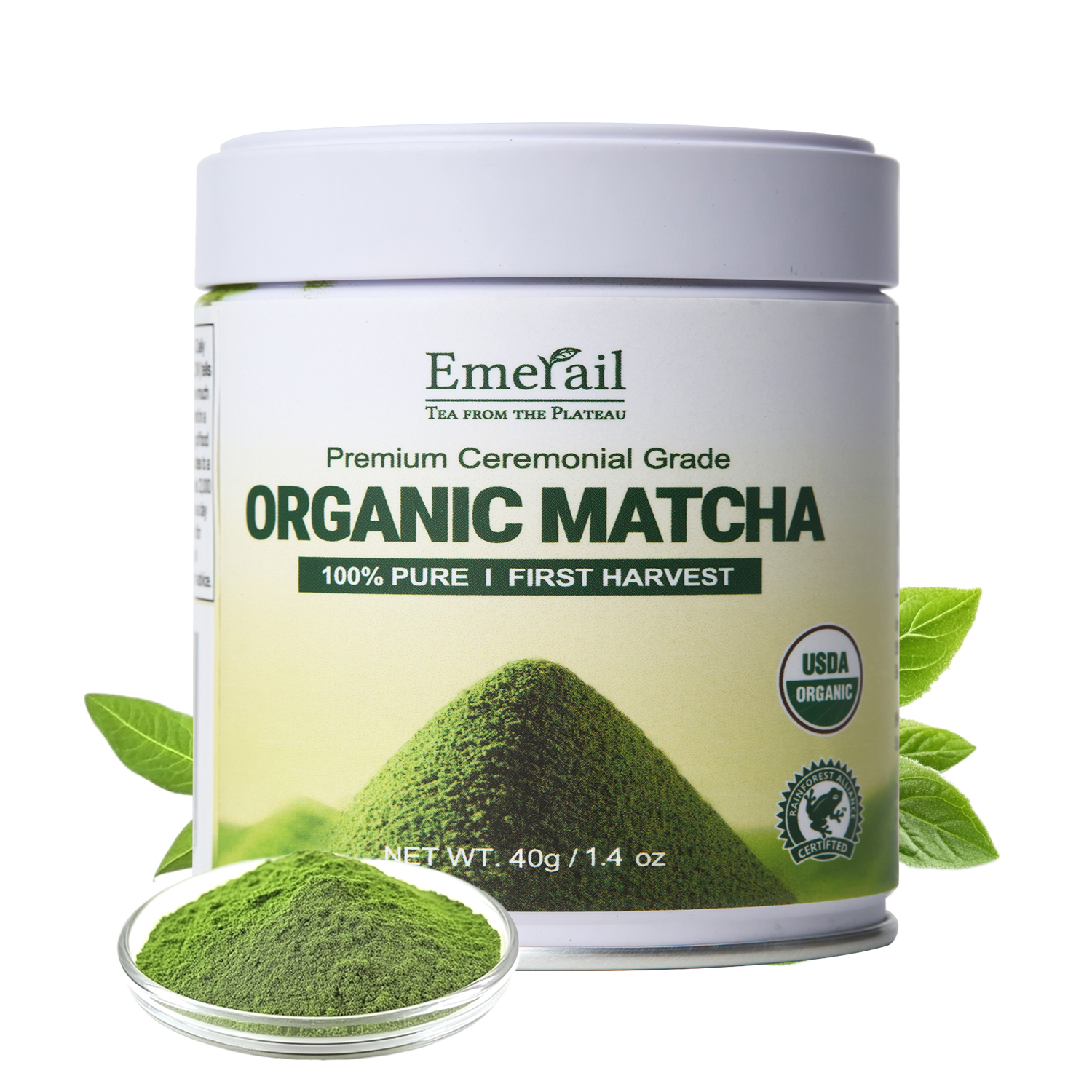
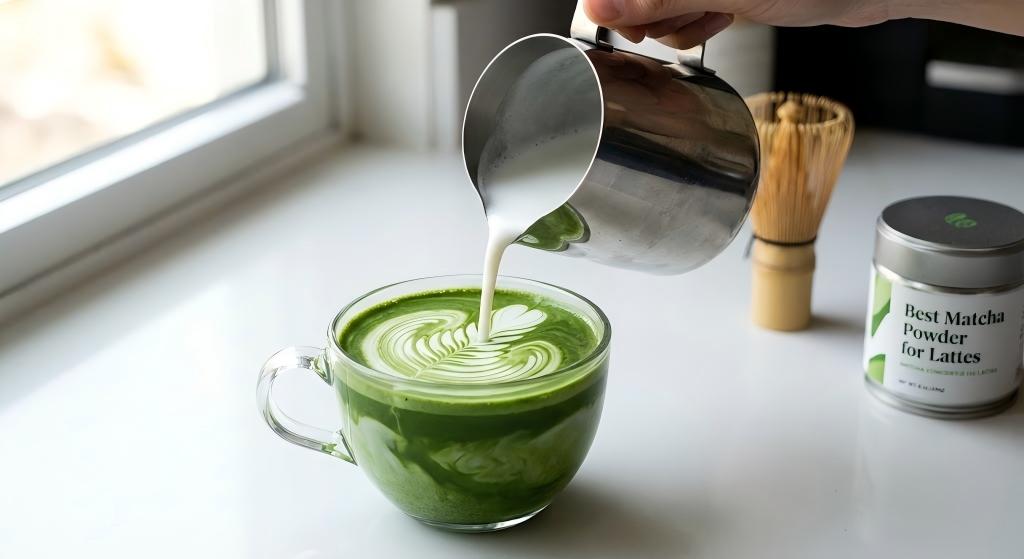
If you are new to matcha, one of the first questions you will encounter is the difference between ceremonial grade and culinary grade matcha. The terms sound formal and are often misunderstood as indicators of absolute quality. In reality, the difference is far more practical.
Ceremonial and culinary matcha are not defined by which one is “better,” but by how each type is intended to be used. Understanding this distinction helps beginners avoid common mistakes and choose matcha that fits their daily habits.
For matcha produced in Guizhou, China, this distinction is especially important. Guizhou matcha is known for its clean flavor, smooth texture, and consistency, making it suitable for both refined drinking experiences and everyday use.
What Matcha Grades Really Mean
Matcha grades are best understood as functional categories, not a strict quality hierarchy.
- Ceremonial matcha is designed to be consumed with water only
- Culinary matcha is designed to be mixed with milk, sweeteners, or food
Both types are made from real tea leaves and follow similar production principles. The difference lies in leaf selection, flavor intensity, and how the matcha performs in different situations.
Many beginners assume ceremonial matcha is always the safest choice. In practice, using the wrong grade often leads to disappointment rather than better results.
Ceremonial Grade Matcha Explained
Ceremonial matcha represents the most delicate and refined expression of matcha leaves.
Leaf Selection and Processing
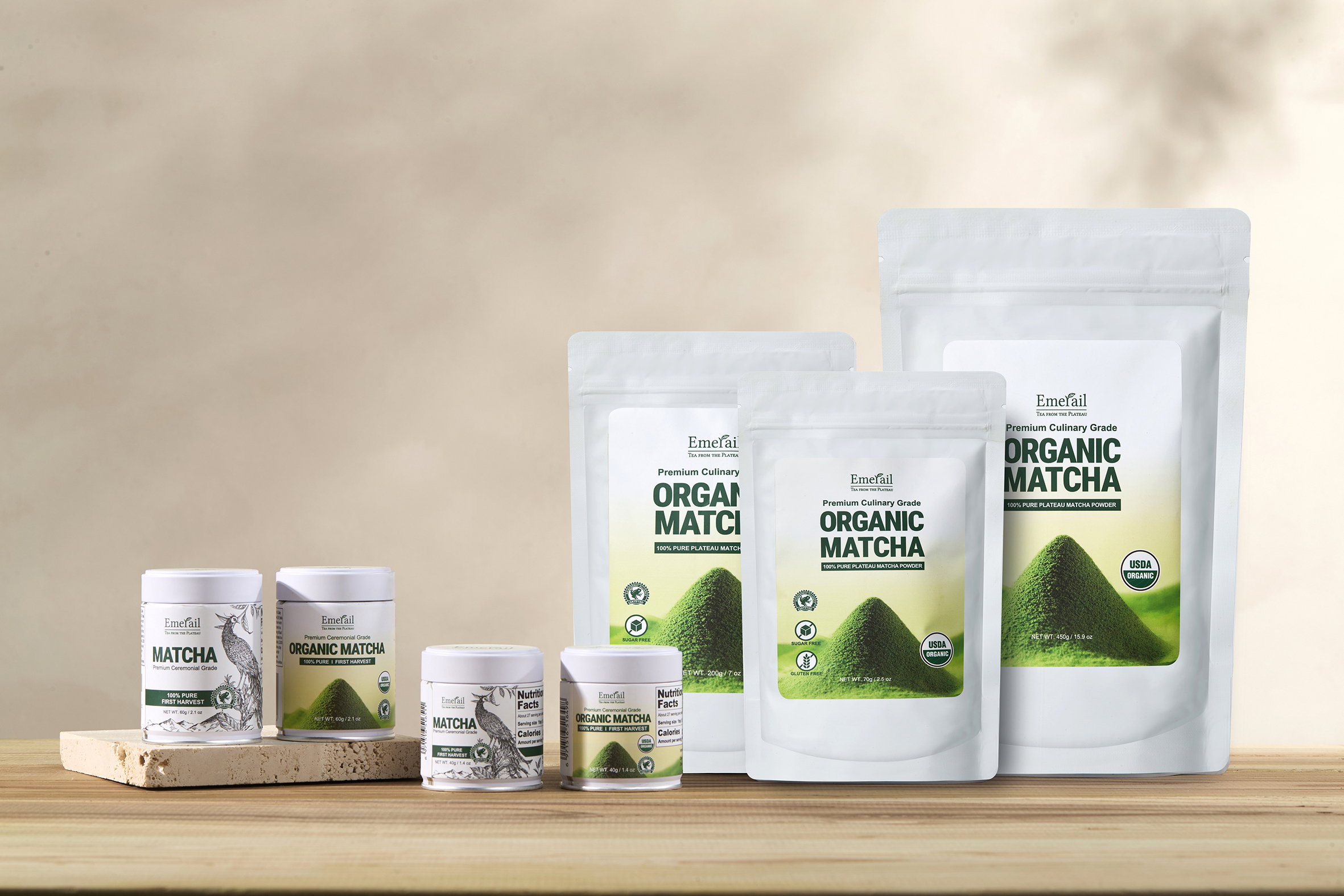
Ceremonial matcha is typically made from younger tea leaves. These leaves are softer, naturally sweeter, and lower in bitterness. When grown in Guizhou’s high-elevation environment, these leaves develop a clean, balanced profile well suited for drinking on their own.
The focus during production is on smoothness, clarity, and color rather than intensity.
Flavor Profile
High-quality ceremonial Guizhou matcha typically tastes:
- Smooth and creamy
- Lightly sweet
- Clean and fresh
- Low in bitterness
Because the flavor is subtle, ceremonial matcha is best enjoyed without additional ingredients.
Best Uses for Ceremonial Matcha
Ceremonial matcha is ideal when:
- Prepared with water only
- The matcha itself is the focus
- You prefer a calm, intentional drinking experience
Adding milk or sugar often masks the very qualities ceremonial matcha is designed to highlight.
Culinary Grade Matcha Explained
Culinary matcha is designed for versatility and strength rather than subtlety.
Leaf Selection and Processing
Culinary matcha is often made from slightly more mature leaves. These leaves develop stronger vegetal notes and a firmer structure, which helps the flavor remain present when mixed with other ingredients.
Guizhou culinary matcha benefits from the region’s stable climate and clean environment, producing a bold yet controlled flavor without excessive harshness.
Flavor Profile
Culinary matcha typically tastes:
- Stronger and more assertive
- Slightly bitter
- Robust and earthy
This flavor profile is intentional. Culinary matcha is meant to hold its character in lattes, smoothies, and recipes.
Best Uses for Culinary Matcha
Culinary matcha performs best in:
- Matcha lattes
- Smoothies
- Baking and desserts
- Cooking applications
When combined with milk or sweeteners, culinary matcha produces a balanced and recognizable matcha flavor.
Taste Comparison: Ceremonial vs Culinary
Understanding taste differences helps prevent mismatched expectations.
Ceremonial matcha characteristics:
- Smooth texture
- Subtle sweetness
- Clean finish
- Best consumed plain
Culinary matcha characteristics:
- Bolder flavor
- More pronounced bitterness
- Designed to blend well
- Ideal for mixed drinks and food
Neither profile is superior overall. Each is optimized for a specific purpose.
Color and Texture Differences
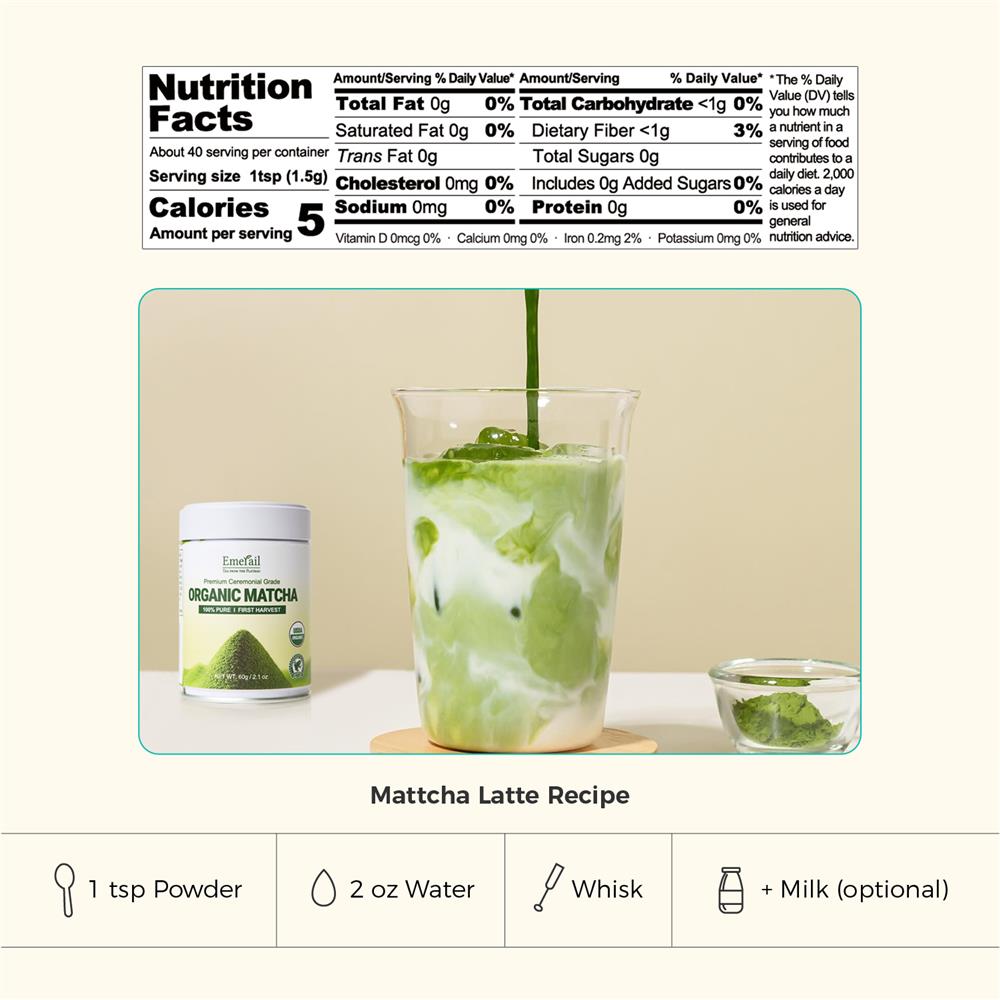
Visual cues provide helpful hints about intended use.
Ceremonial matcha usually appears bright and vibrant green with an ultra-fine texture. Culinary matcha may appear slightly darker or deeper green with a marginally coarser feel.
These differences reflect leaf maturity and production priorities rather than freshness or safety.
High-quality Guizhou matcha maintains natural color without artificial additives in both grades.
Why Beginners Often Choose the Wrong Matcha
Many first-time buyers make the same mistakes:
- Using ceremonial matcha for lattes
- Expecting culinary matcha to taste smooth with water
- Choosing based on price alone
- Ignoring intended use
These mistakes do not mean the matcha is poor quality. They simply reflect a mismatch between expectation and design.
Which Matcha Grade Should Beginners Choose?
A simple guideline works well for most people:
- Drinking matcha with water only → choose ceremonial grade
- Making lattes, smoothies, or recipes → choose culinary grade
Many experienced drinkers keep both types at home. One is used for quiet moments, while the other supports daily routines.
Is Ceremonial Matcha Always Higher Quality?
Ceremonial matcha uses more selective leaf material, but that does not make culinary matcha inferior.
Culinary matcha is:
- Designed for blending
- More forgiving during preparation
- Often more practical for beginners
Using ceremonial matcha in baking or cooking is unnecessary and inefficient.
How Matcha Grades Fit Into Daily Life
Ceremonial matcha often becomes part of slower routines, such as early mornings or intentional breaks. Its smoothness rewards careful preparation and attention.
Culinary matcha fits modern schedules where convenience matters. It performs consistently in busy mornings, iced drinks, and recipes without losing its character.
Guizhou matcha supports both lifestyles by offering clean, reliable options in each category.
Price Differences Explained
Ceremonial matcha typically costs more because:
- Younger leaves are selected
- Processing is more selective
- Production yields are lower
Culinary matcha is more accessible, making it suitable for frequent use without unnecessary expense.
Common Questions About Matcha Grades (FAQ)
Can ceremonial matcha be used in a latte?
Yes, but its delicate flavor is often lost when mixed with milk.
Is culinary matcha unhealthy?
No. It is still pure matcha, simply designed for different uses.
Does darker color mean lower quality?
Not necessarily. Color differences often reflect intended use rather than quality.
Can beginners start with culinary matcha?
Yes. Many beginners find it easier and more versatile.
Final Thoughts
The difference between ceremonial and culinary matcha is about intention, not status.
Guizhou matcha offers clean, consistent options in both categories. Once you choose the grade that matches how you plan to use matcha, the experience becomes simpler, more enjoyable, and more reliable.
Understanding matcha grades removes confusion and helps you build a routine that fits your lifestyle rather than forcing matcha into the wrong role.