
Ceremonial Grade vs. Culinary Matcha: What's the Real Difference?
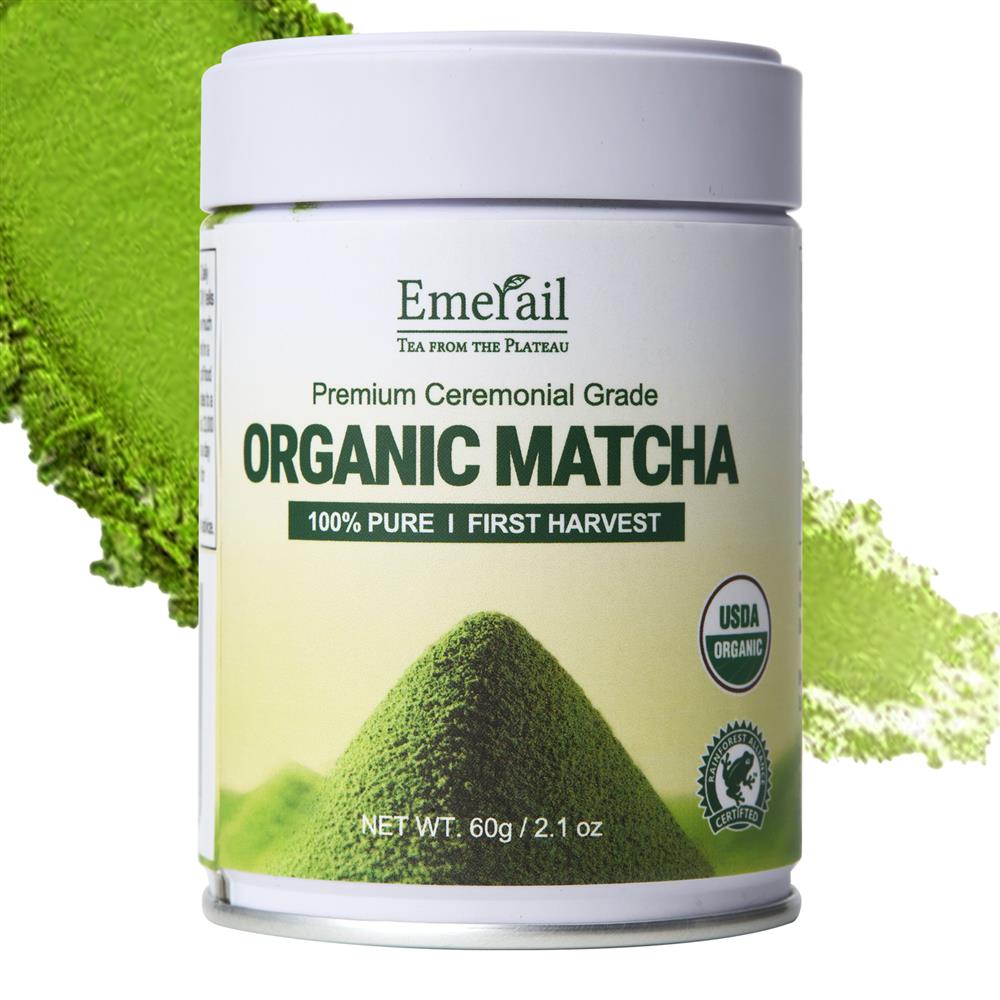
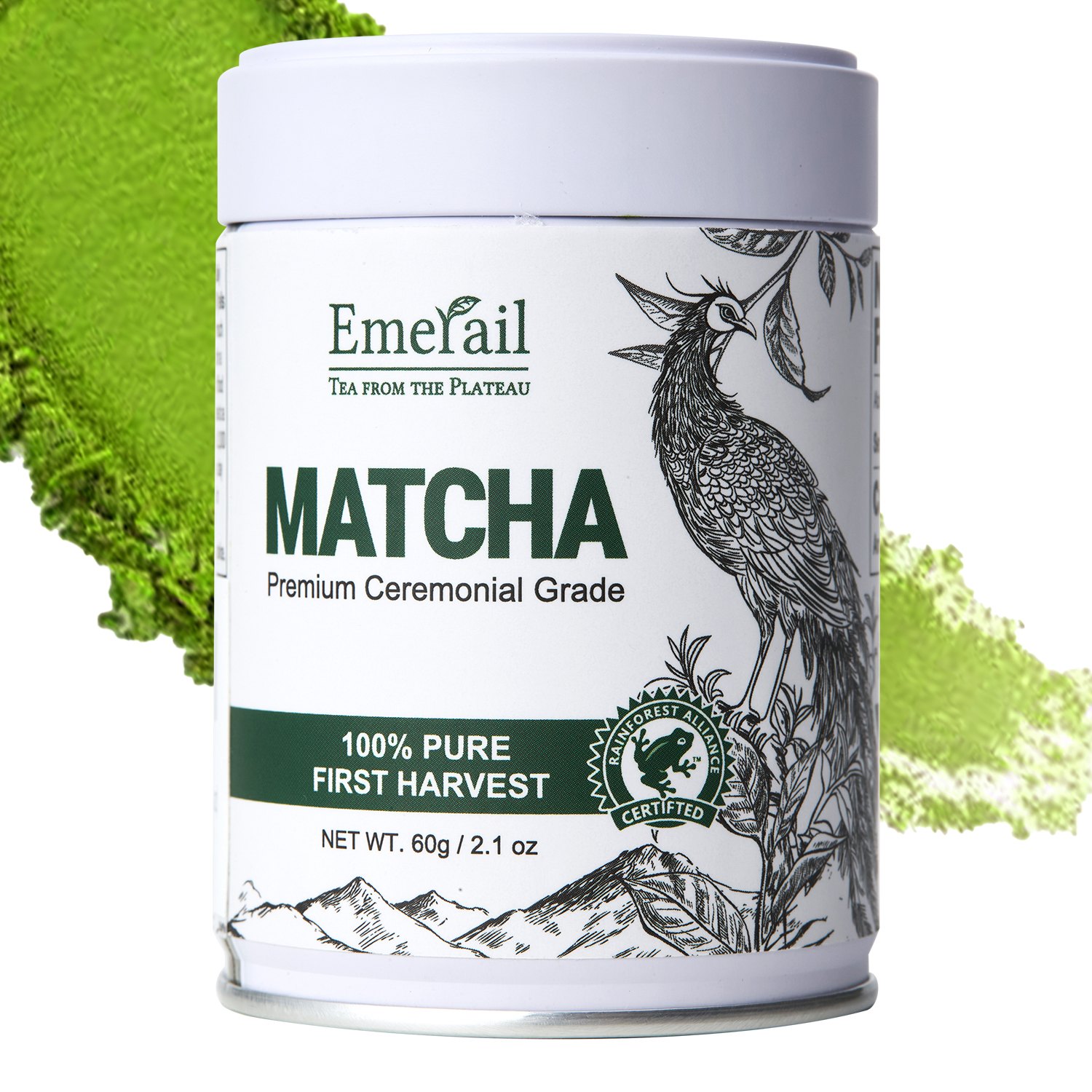
You are standing in the tea aisle—or perhaps scrolling through a product page online—and you are faced with a dilemma. On the left, there is a sleek, small tin labeled 'Ceremonial Grade' priced at $22.99. On the right, there is a larger bag labeled 'Culinary Grade' for just $28.99. They both claim to be the best matcha. They both look green. So, why is the price gap so massive?
Is the expensive tin just a marketing gimmick for tea snobs? Is the cheaper bag just glorified grass clippings? It is a common source of confusion for newcomers to the world of matcha, and unfortunately, many brands muddy the waters with vague terms like 'Premium' or 'Cafe Style'.
The truth is, the difference is not just about price; it is about Chemistry and Intent. Using the wrong grade is like using a $100 bottle of fine wine to make sangria, or conversely, trying to sip cooking wine from a crystal glass. In this guide, we will strip away the marketing fluff and explain exactly when to spend the money on Ceremonial Grade Matcha and when to save your cash with a high-quality Culinary blend.
It All Starts in the Field: First Harvest vs. Second Harvest
To understand the grades, you have to understand the lifecycle of the tea plant (Camellia Sinensis). The grading is determined almost entirely by when the leaves are picked.
1. The First Harvest (Ichibancha) = Ceremonial
In early spring (typically May), the tea plants awaken from their winter dormancy. For about 3-4 weeks before harvest, the farmers cover the fields with shade tarps. This blocks 90% of the sunlight.
This 'shade stress' forces the plant to overproduce Chlorophyll (to capture what little light exists) and L-Theanine (an amino acid). L-Theanine is responsible for the savory, sweet 'Umami' flavor. Because these are the first baby leaves of the year, they are tender, sweet, and packed with nutrients. This harvest becomes Ceremonial Grade.
2. The Second Harvest (Nibancha) = Culinary
After the first harvest, the plants are allowed to grow back. They are exposed to full summer sunlight. This sunlight triggers a chemical reaction: it converts the sweet L-Theanine into Catechins (specifically EGCG). Catechins are antioxidants, but they taste bitter and astringent. By the time these leaves are harvested in summer, they are larger, tougher, and have a bold, punchy flavor. This harvest becomes Culinary Grade Matcha.
Ceremonial Grade: The "Plain Water" Test
Ceremonial matcha is the champagne of the tea world. It is processed with extreme care—stems and veins are painstakingly removed before grinding to ensure zero bitterness.
The Sensory Experience
The ultimate test of a ceremonial matcha is to drink it as Koicha (Thick Tea). This is a traditional preparation where you use very little water and a lot of powder, creating a thick, paint-like syrup.
If you tried this with low-quality matcha, you would gag. It would be unbearably bitter. But with high-quality ceremonial grade, it tastes like a rich, savory vegetable broth with a finish of dark chocolate and sweetness. It is smooth, creamy, and lacks any harsh edges.
The Use Case: Use this grade ONLY if you plan to drink it plain, whisked with hot water. Adding milk or sugar to High Quality Ceremonial Matcha is considered wasteful because the delicate flavor nuances will be completely lost.
Culinary Grade: Engineered for Mixing
There is a massive stigma that 'Culinary' means 'Bad'. This is false. Culinary matcha is simply Robust.
Think of it like chocolate. Ceremonial Matcha is like a delicate milk chocolate truffle—perfect on its own but disappears if you melt it into a cake. Culinary Matcha is like 90% dark baker's chocolate—too intense to eat alone, but perfect for giving a brownie that rich cocoa flavor.
Because culinary matcha has higher astringency (bitterness) and a stronger grassy profile, it can 'stand up' to other ingredients. If you are making a matcha cheesecake, you need that bitterness to cut through the heavy cream cheese and sugar. If you used delicate ceremonial matcha, your cheesecake would just taste like vanilla.
- Sub-Grades of Culinary:
Premium Culinary: Less bitter, good for lattes and smoothies.
Kitchen/Cafe Grade: Very strong, good for high-heat baking (cookies, bread) or ice cream manufacturing.
At a Glance: Ceremonial vs. Culinary Comparison
A side-by-side breakdown to help you choose the right tin.
|
Feature |
Ceremonial Grade |
Culinary Grade |
|
Primary Use |
Drinking plain (whisked with water) |
Lattes, Baking, Smoothies, Cooking |
|
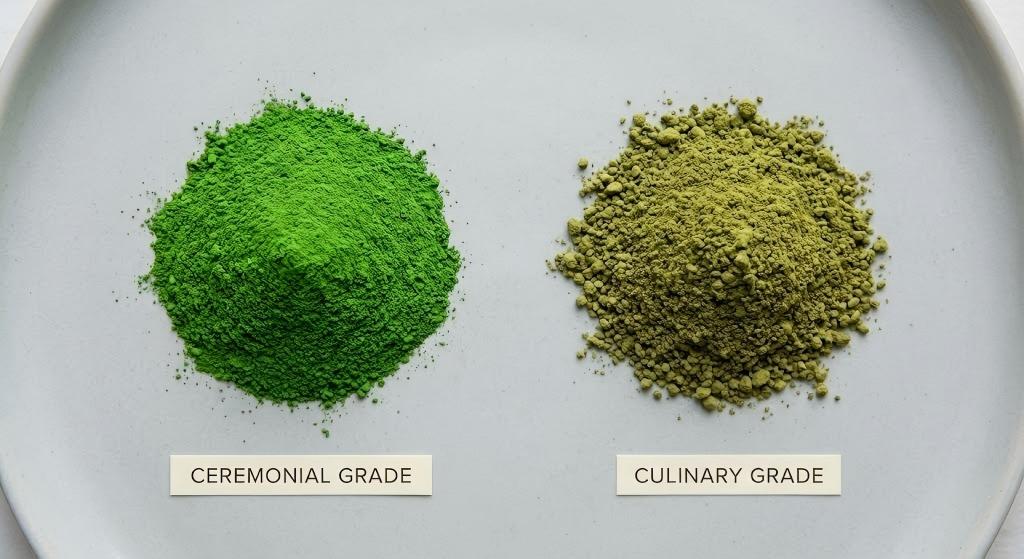
Color |
Vibrant, Electric Green (Neon) |
Dull Green, Olive, or Pistachio |
|
Texture |
Ultra-fine (5-10 microns) |
Fine, but slightly coarser to touch |
|
Flavor |
Sweet, Umami, Delicate, Savory |
Bold, Astringent, Grassy, Bitter |
|
Harvest |
First Harvest (Spring) |
Second/Third Harvest (Summer/Autumn) |
|
L-Theanine |
High (Calm Focus) |
Moderate |
|
Antioxidants |
High |
Very High (More Catechins) |
|
Price Point |
High ($$$) |
Affordable ($) |
The "Latte" Debate: Which Grade Should You Use?
This is the most common question we get at Emerail: "I only drink matcha lattes. Which one should I buy?" The answer is not black and white.
- Scenario A: The Purist Latte
If you drink your latte Unsweetened with a mild milk like Oat or Almond, we recommend Ceremonial Grade. Without sugar to mask the taste, the bitterness of culinary grade might be too harsh. A ceremonial latte is a luxury treat—creamy, naturally sweet, and vibrant green.
- Scenario B: The Sweet Latte
If you like to add Honey, Vanilla Syrup, or White Chocolate, we strictly recommend Premium Culinary Matcha. The sweeteners will balance the astringency of the culinary grade perfectly. In fact, the stronger tea flavor is necessary to ensure your drink doesn't just taste like warm vanilla milk.
Nutritional Profile: Is One Healthier?
Surprisingly, the nutritional profile differs slightly depending on the grade, but both are powerhouses. One is not necessarily 'healthier' than the other; they just excel in different areas.
L-Theanine (Focus & Calm)
Ceremonial grade has significantly higher concentrations of L-Theanine because of the shading process. If you are drinking matcha specifically for meditation, anxiety relief, or that 'Zen' state of focus, Ceremonial is the superior tool.
Catechins (Metabolism & Immunity)
Culinary grade often has higher levels of total Catechins (EGCG). Why? Because the sun exposure that makes the leaves bitter also stimulates the production of these antioxidants. So, if your goal is purely a metabolic boost or an immunity kick, your morning smoothie made with Cooking Matcha is incredibly effective.
Decision Matrix: What Should I Buy?
Still undecided? Use this simple checklist.
- Buy Ceremonial Grade If:
You intend to drink it with water (Usucha style).
You are sensitive to bitter flavors.
You want the maximum cognitive boost (L-Theanine).
You appreciate the ritual of sifting and whisking.
- Buy Culinary Grade If:
You plan to mix it into smoothies with fruit/protein powder.
You are baking cookies, muffins, or pancakes.
You like your lattes sweet (Starbucks style).
You are on a budget and want to consume it daily in large quantities. Explore our Everyday Matcha Collection.
FAQ: Matcha Grades
Q: Can I drink culinary matcha with water?
A: You can—it is safe—but it is not recommended for enjoyment. It will likely taste harsh, bitter, and gritty compared to ceremonial grade. If you must, try using cooler water (160°F) to minimize the extraction of bitter tannins.
Q: Why is ceremonial matcha so expensive?
A: It is a matter of supply and labor. Only the top two leaves of the first harvest can be used. These must be hand-picked (Tezumi), carefully destemmed (a time-consuming process called Tencha), and stone-ground very slowly (30g can take an hour). You are paying for the limited supply and the artisanal craftsmanship.
Q: Which grade is best for weight loss?
A: Both are effective as they both derive from green tea. However, if you are using matcha as a pre-workout supplement, Ceremonial Matcha is often better because it contains more caffeine and L-Theanine for sustained energy without the crash. Culinary grade works well if blended into a pre-workout shake.
Q: Does color really matter?
A: Yes. Color is the #1 indicator of quality. Bright electric green means the tea was properly shaded and is fresh. Yellow or brown tea means it was oxidized, old, or made from lower-quality leaves harvested too late in the season.
Conclusion
In the end, the 'Best' matcha isn't always the most expensive one—it is the one that fits your intended use. Buying Ceremonial grade to bake cookies is a waste of money. Buying Culinary grade to drink plain is a waste of taste buds.
By matching the grade to the occasion, you get the best experience and the best value. Whether you need the zen focus of a ceremonial bowl or the creamy comfort of a morning smoothie, knowing the difference empowers you to shop smarter.
"At Emerail, we believe in transparency. We harvest strictly from farms in Guizhou, China to ensure that whichever grade you choose, you are getting authentic, stone-ground quality. Ready to find your perfect match? Shop our full range of Organic Matcha Powders today."