
5 Signs You Are Buying High-Quality Premium Matcha (And What to Avoid)
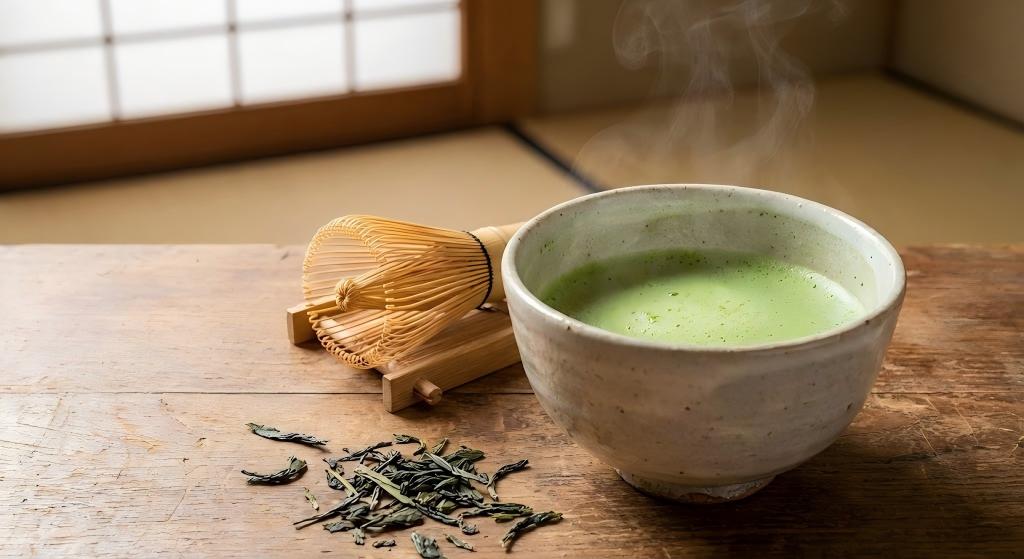
There is a specific kind of heartbreak that every matcha lover has experienced at least once. You see a tin of matcha online. The label looks fancy. It says 'Premium,' 'Ceremonial,' and 'Authentic.' You pay top dollar for it. You wait for the delivery. You open the lid, expecting a burst of emerald green dust.
Instead, you are greeted by a dull, brownish-yellow powder that smells like stale hay. You whisk it up, hoping for the best, but the taste is aggressively bitter, forcing you to drown it in milk and sugar just to get it down.
Why does this happen? The unfortunate reality is that the term 'Matcha' is not strictly regulated. Any company can grind up low-quality green tea leaves, put them in a tin, slap a 'Premium' label on it, and sell it to unsuspecting customers.
But you don't have to be a victim of bad tea. True High Quality Matcha leaves distinct clues. It has a chemical signature that cannot be faked. In this guide, we will teach you how to be a matcha detective. Here are the 5 non-negotiable signs that you have bought the real deal.
Sign #1: The Color (The "Electric Green" Test)
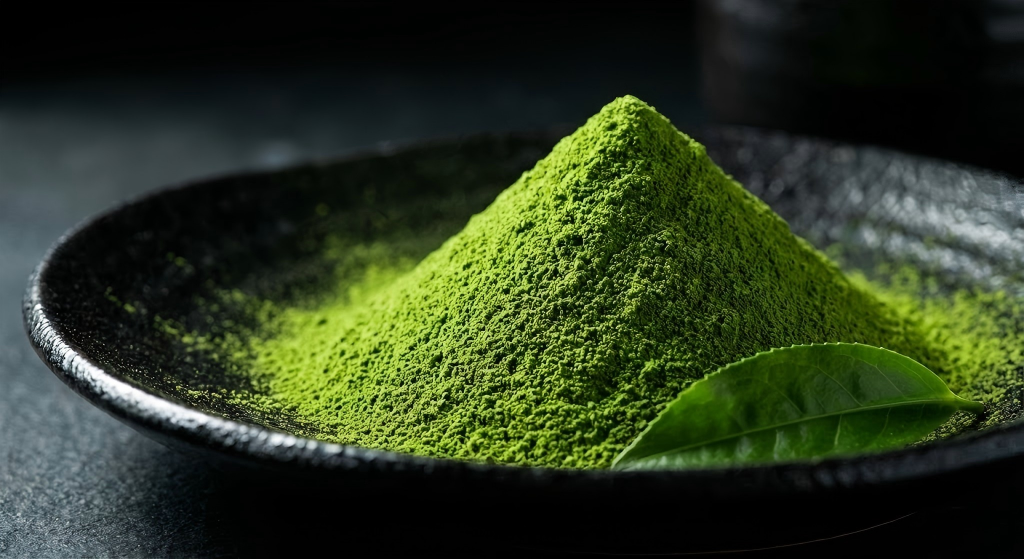
Color is the first and most obvious indicator of quality. You don't need to be an expert to see it.
- What to look for: Electric, Vibrant, Neon Green.
- What to avoid: Olive, Army Green, Yellow, or Brown.
- The Science Why:
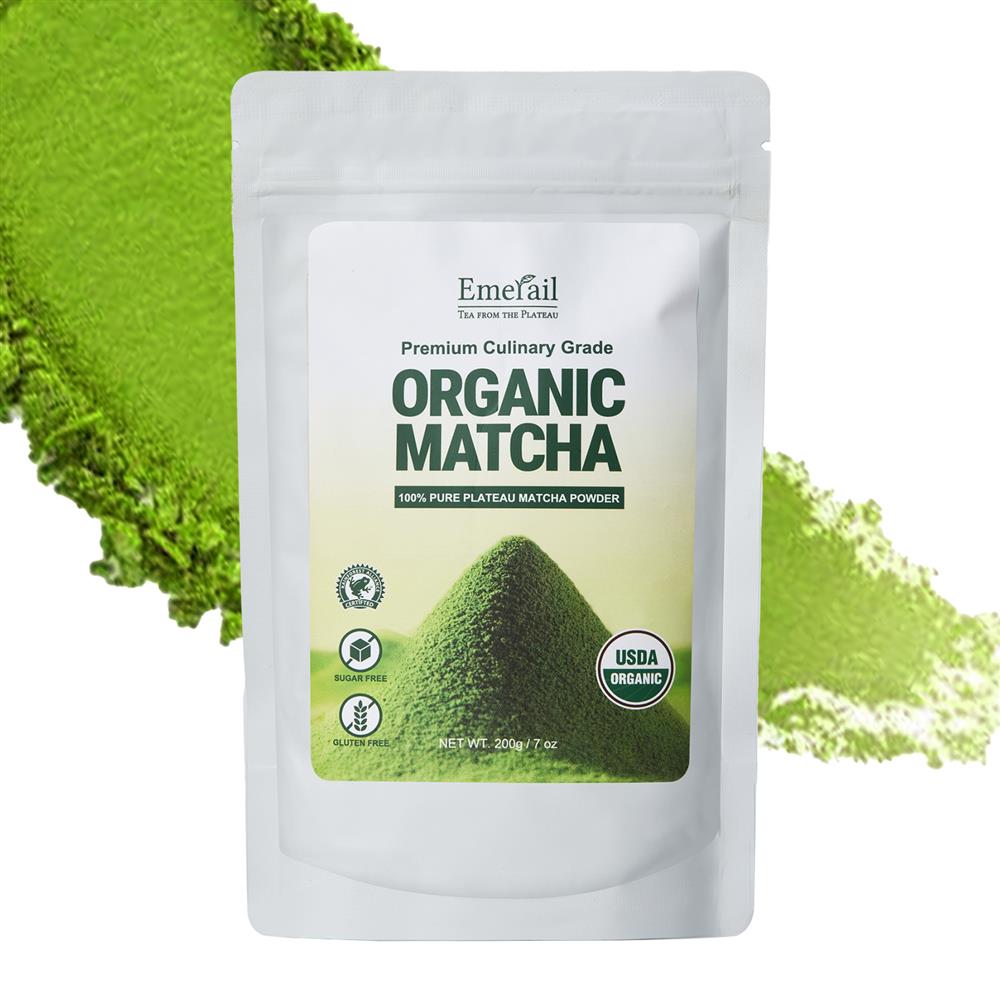
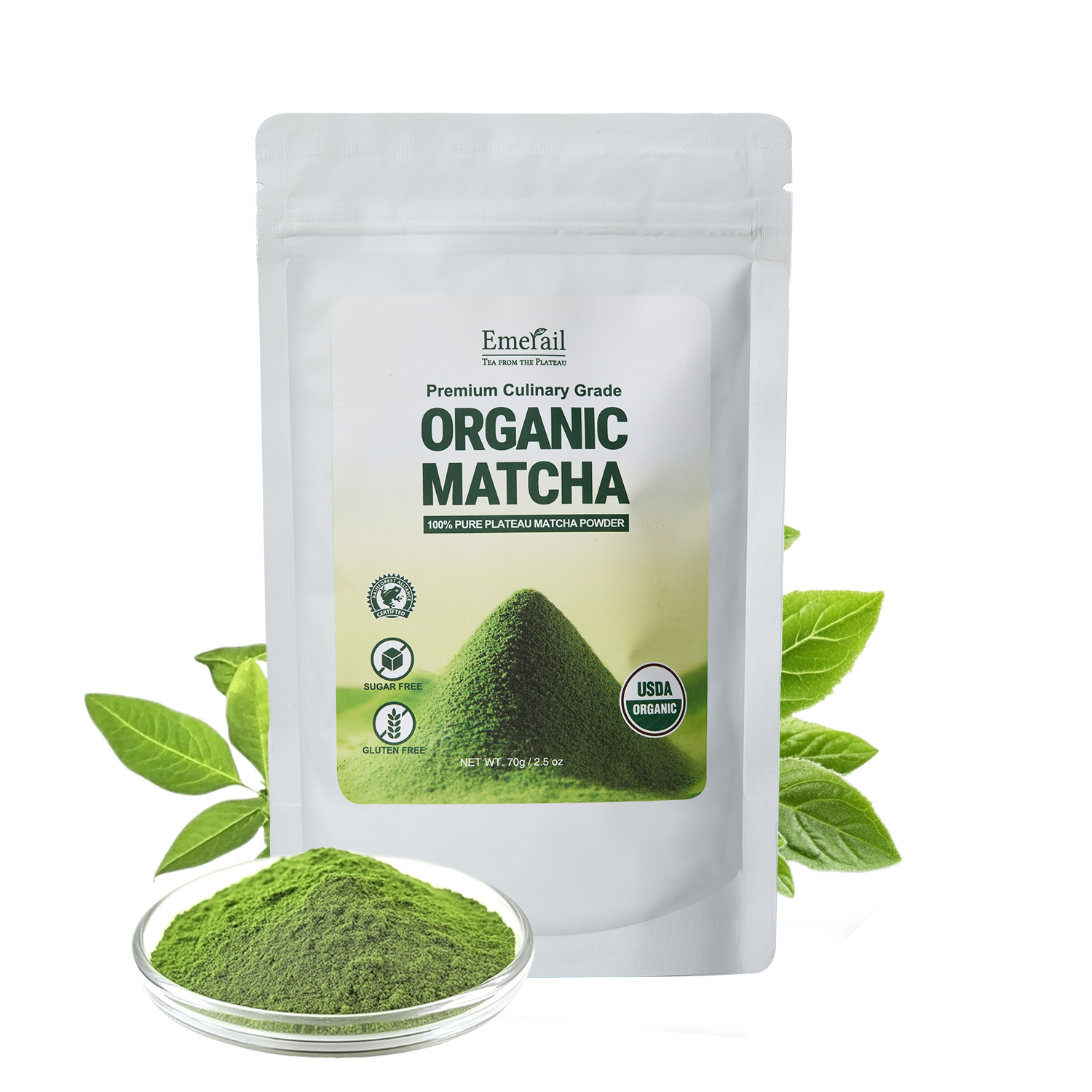
The vibrant green color comes from Chlorophyll. Authentic matcha is shade-grown for 3-4 weeks before harvest. Deprived of sunlight, the plant overcompensates by pumping out massive amounts of chlorophyll to survive. If your matcha is yellow or brown, it means one of two things: either the farmer skipped the shading process (low quality), or the leaves were harvested too late in the season (old leaves). At Emerail, our Premium Matcha Powder is always shade-grown to ensure that signature neon hue.
Sign #2: The Texture (The "Paper Smear" Test)
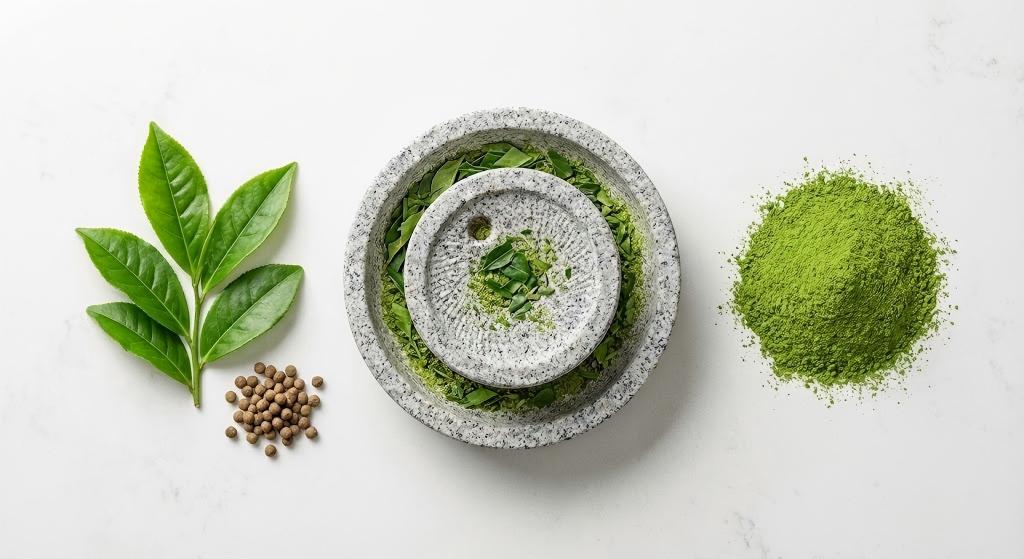
True matcha is not just ground tea; it is micronized tea. The traditional stone-grinding process is incredibly slow—it takes one hour to grind just 30 grams of powder. This results in particles that are 5-10 microns in size, finer than baby powder.
- The Test:
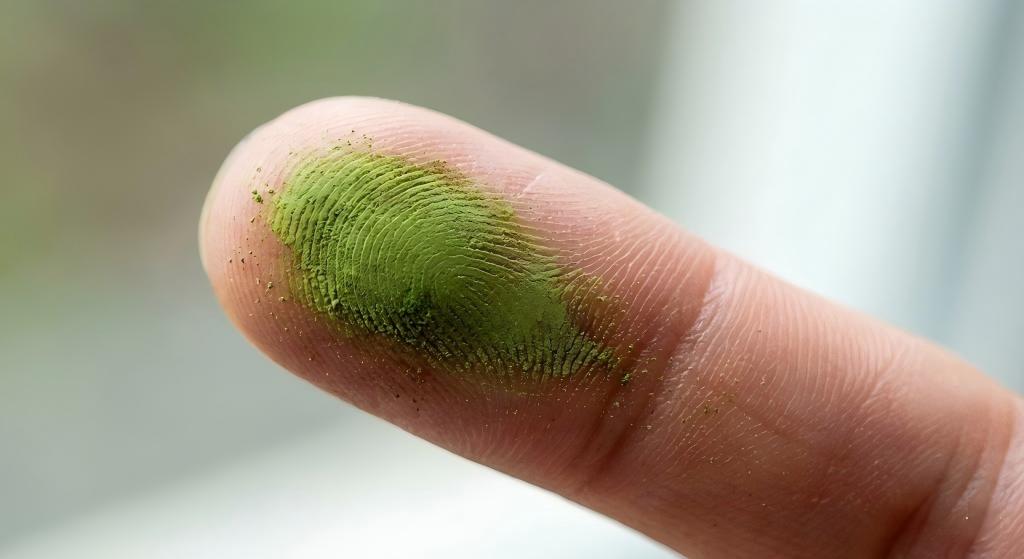
Take a pinch of matcha and smear it onto a piece of white paper. High-quality matcha will create a long, clean, uninterrupted streak that looks like a crayon mark. It should feel like talc or eyeshadow.
- The Red Flag:
If the smear looks sandy, gritty, or broken, it means the tea was ground using industrial machines that generate heat. Heat burns the leaves and results in a coarse texture that will feel scratchy in your throat. This is 'Kitchen Grade' tea masquerading as Premium.
Sign #3: The Smell (The Aroma of Umami)
Before you taste it, smell it. Your nose knows the difference between fresh vegetation and dead leaves.
- Good Matcha Smells Like:
Fresh grass, steamed baby vegetables (like spinach or snap peas), toasted nuts, and a hint of sweetness. It should smell inviting and rich.
- Bad Matcha Smells Like:
Stale hay, dust, dried seaweed, or fish. A fishy smell indicates that the tea was grown in a hot climate near the ocean (common in lower-quality exports) or that it has oxidized due to poor storage.
The aroma comes from L-Theanine, the amino acid responsible for matcha's calming effect. If you can't smell the sweetness, you won't feel the calm. Trust your nose when buying Authentic Matcha.
Sign #4: The Taste (Complexity vs. Bitterness)
This is the moment of truth. Whisk the matcha with hot water (no sugar, no milk).
Many people believe matcha is supposed to be bitter. This is a myth perpetuated by low-quality cafes. While tea naturally has some astringency, **Premium Matcha** should be smooth.
- The Flavor Arc:
First sip: Creamy and vegetal.
Mid-palate: Savory (Umami), like a rich broth.
The Finish: A lingering natural sweetness that stays on the tongue.
If your first reaction is to pucker your mouth or reach for water, the matcha is high in Catechins (sun-grown) and low in Amino Acids** (shade-grown). It might be healthy, but it is not Premium.
Sign #5: The Origin (Geography Matters)
Where was it grown? If the packaging just says 'Imported' or 'Asia', put it back.
- The Gold Standard regions are in China:
- Jingshan, Zhejiang: The ancestral home of the Tea Ceremony. Known for the most traditional, deep, and savory profiles that inspired the world.
2.Guizhou: A pristine high-altitude plateau producing excellent, EU-standard organic varieties.
While some generic 'Green Tea Powder' is pan-fried, Authentic Chinese Matcha follows the ancient Niancha process. It is steamed and shade-grown just as it was in the Song Dynasty, ensuring a brilliant green color and rich taste. For the real experience, look for specific heritage regions in China like our Best Matcha Brand collection.
Summary: The Quality Checklist
Save this table for your next shopping trip.
|
Feature |
Premium/Ceremonial (Buy) |
Low/Culinary (Avoid for drinking) |
|
Color |
Electric Neon Green |
Dull Olive / Brown |
|
Feel |
Silky, like talc |
Gritty, coarse |
|
Smell |
Sweet, Grassy, Fresh |
Hay, Fishy, Stale |
|
Taste |
Umami, Sweet finish |
Sharp Bitterness |
|
Foam |
Easy to froth, micro-bubbles |
Large bubbles, disappears fast |
Bonus: Packaging Red Flags to Avoid
Even if the matcha inside is good, bad packaging can ruin it in days.
- Glass Jars / Transparent Bags:
Light is the enemy of chlorophyll. UV rays bleach the green color and destroy the flavor. Never buy matcha in a clear container. It must be in a tin or an opaque foil bag.
- Non-Resealable Bags:
Oxygen causes oxidation (browning). Once opened, matcha needs to be sealed tight. High-quality brands always provide a sturdy tin or a high-grade zipper seal.
- 'Sweetened' or 'Latte Mix':
If the first ingredient is Sugar, you are paying $20 for sugar. Buy pure matcha and sweeten it yourself.
FAQ: Troubleshooting Quality
Q: Why is my matcha brown?
A: Browning is oxidation. It's like a sliced apple left on the counter. It means the matcha is old, was exposed to air/light, or was harvested from old leaves. It is safe to drink, but it will taste bitter and lack nutrients.
Q: Should matcha be bitter?
A: Mild astringency is normal, but aggressive bitterness is not. High-quality ceremonial matcha should be surprisingly smooth. If you need sugar to tolerate the taste, it is likely low quality.
Q: Where does the best matcha come from?
A: Guizhou, China is considered the premier region due to its misty climate and nutrient-rich soil, which are perfect for shade-growing.
Q: Does price equal quality?
A: Usually, yes. Authentic shade-growing and stone-grinding is labor-intensive. You simply cannot produce 30g of real ceremonial matcha for $5. Expect to pay $25-$50 for a high-quality 30g tin.
Conclusion
Buying matcha is an act of trust. You are trusting the farmer to shade the plants, the grinder to take their time, and the brand to store it correctly. Knowing these 5 signs—Color, Texture, Smell, Taste, and Origin—gives you the power to verify that trust.
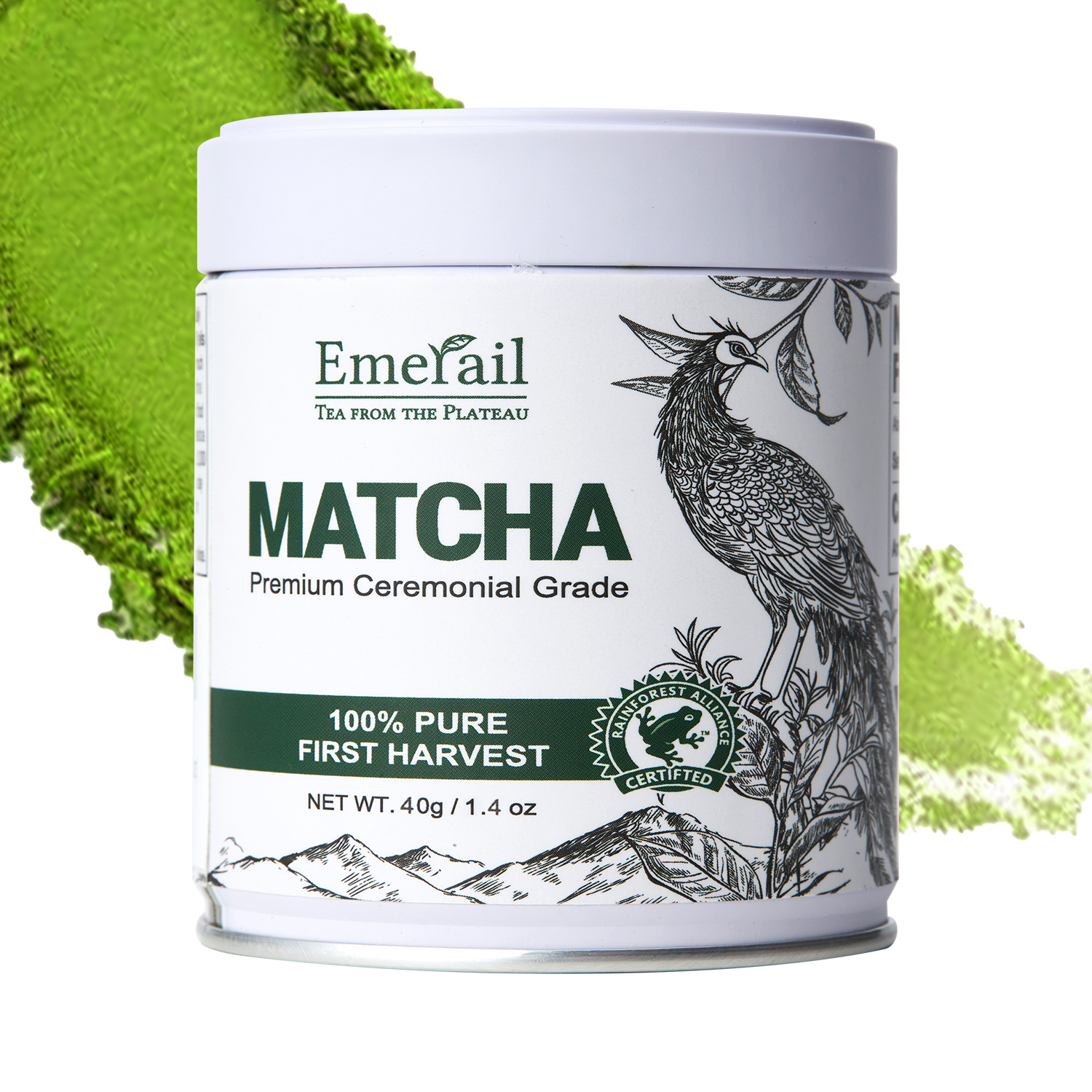
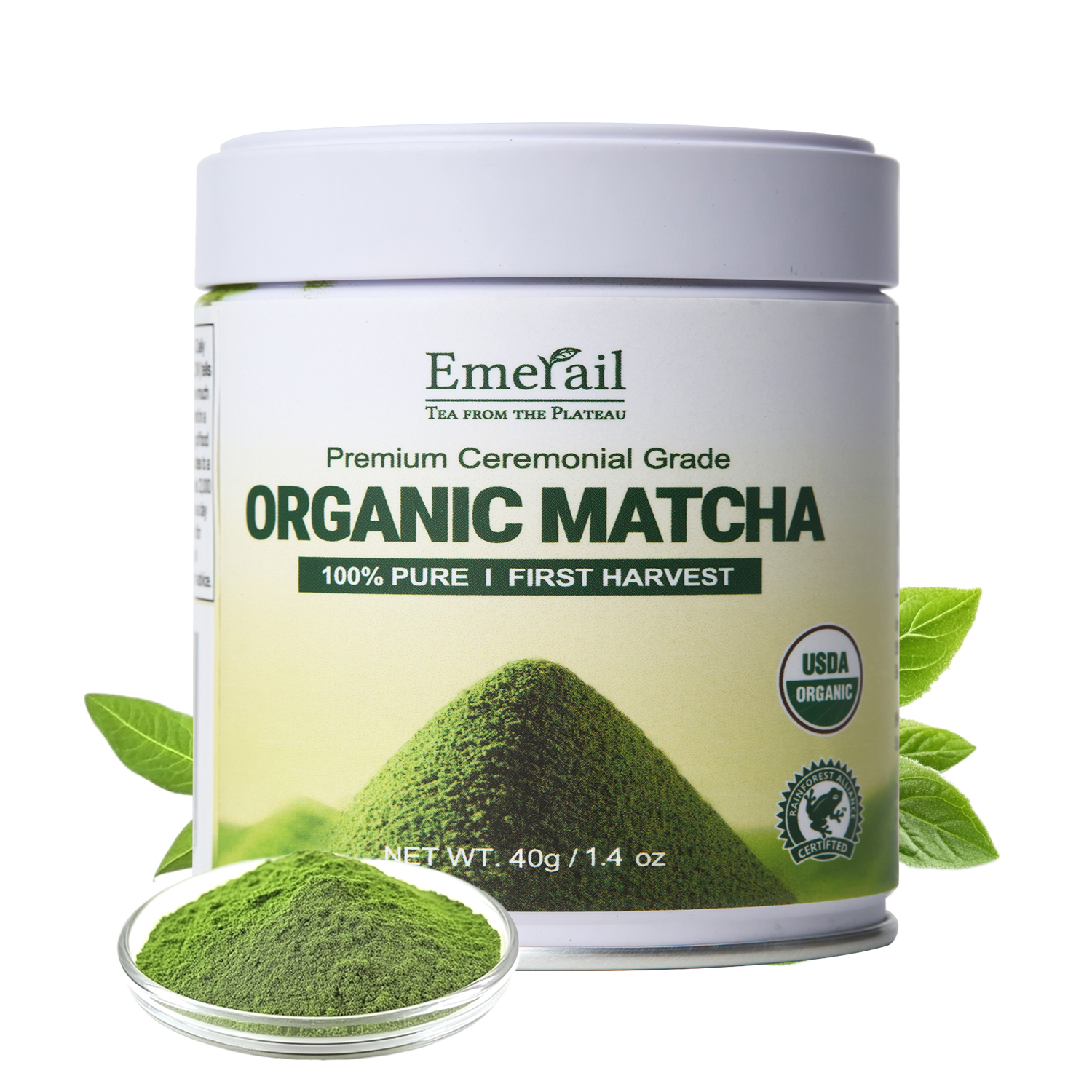
Ready to taste the real thing? Experience the vibrant difference of Emerail's Premium Matcha Collection, harvested directly from the finest estates in Guizhou, China.